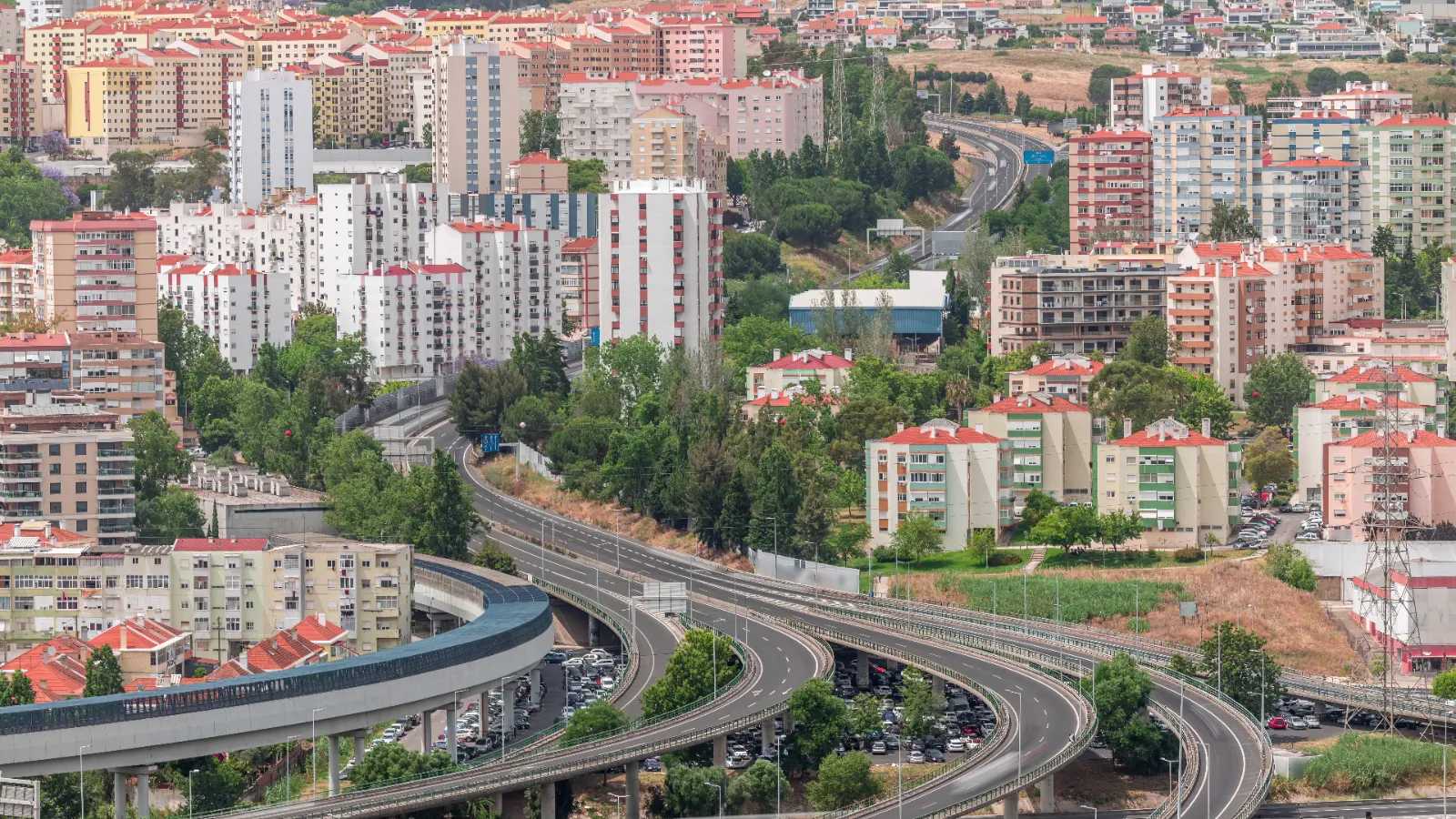
 Odivelas
Ovidelas
A medieval monastery founded in 1295 houses King Dinis’s tomb beside Lisbon’s urban edge.
LisboaRead Guide →

What it is really like to live, buy and invest in Portugal's cities, neighbourhood by neighbourhood.
OdivelasA medieval monastery founded in 1295 houses King Dinis’s tomb beside Lisbon’s urban edge.
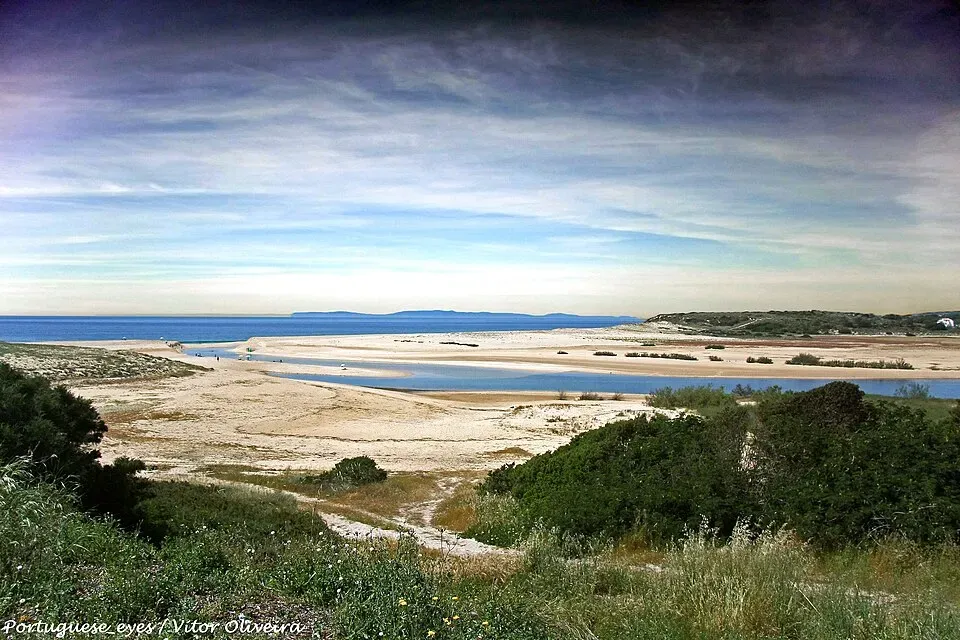 Melides
Its lagoon was once navigable, supporting fishing, farming, pottery and cork production.
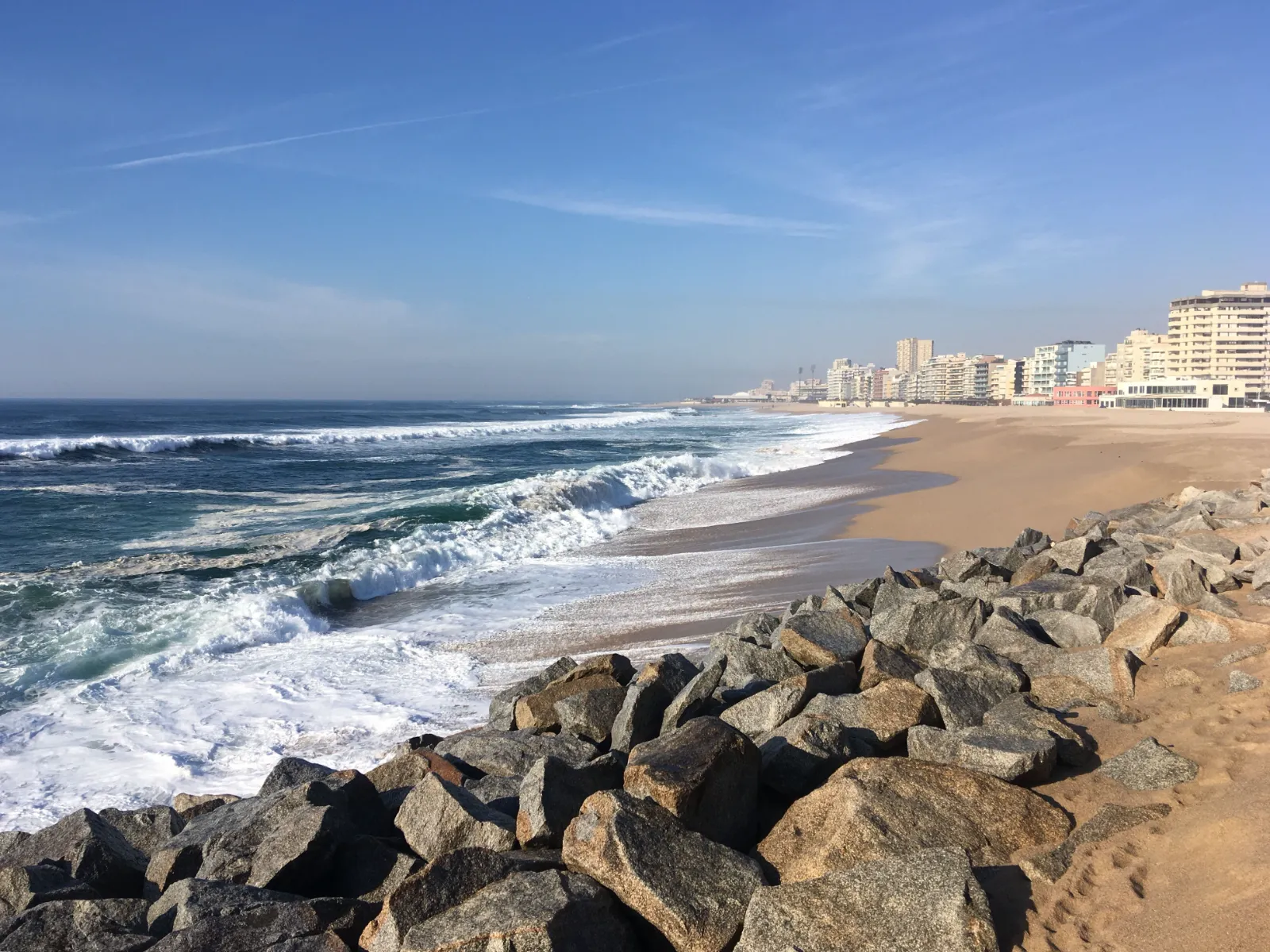 Póvoa de Varzim
Traditional fishing families passed down distinctive symbols known as siglas poveiras.
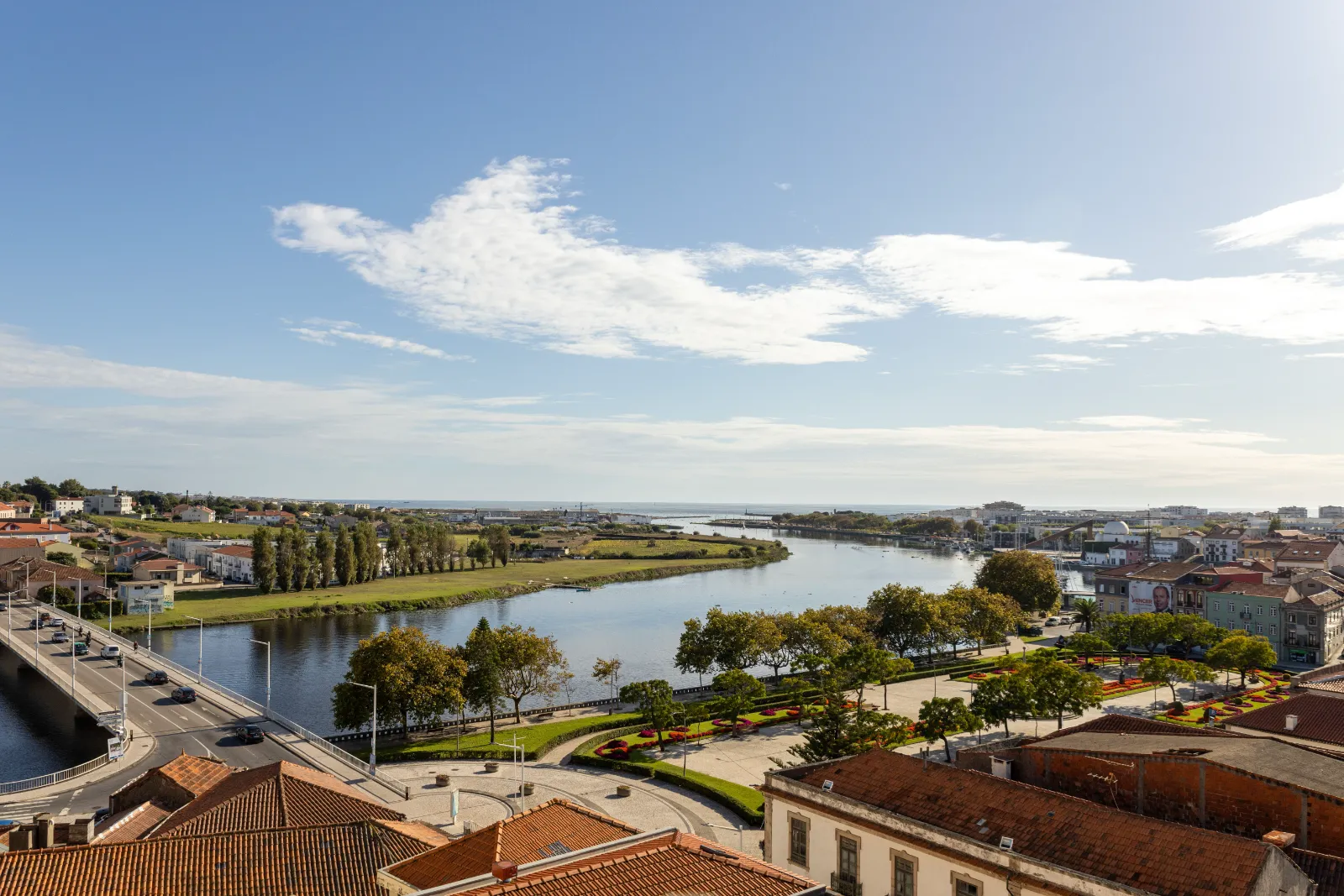 Vila do Conde
Historic shipbuilding and bobbin-lace traditions meet where the River Ave reaches the Atlantic.
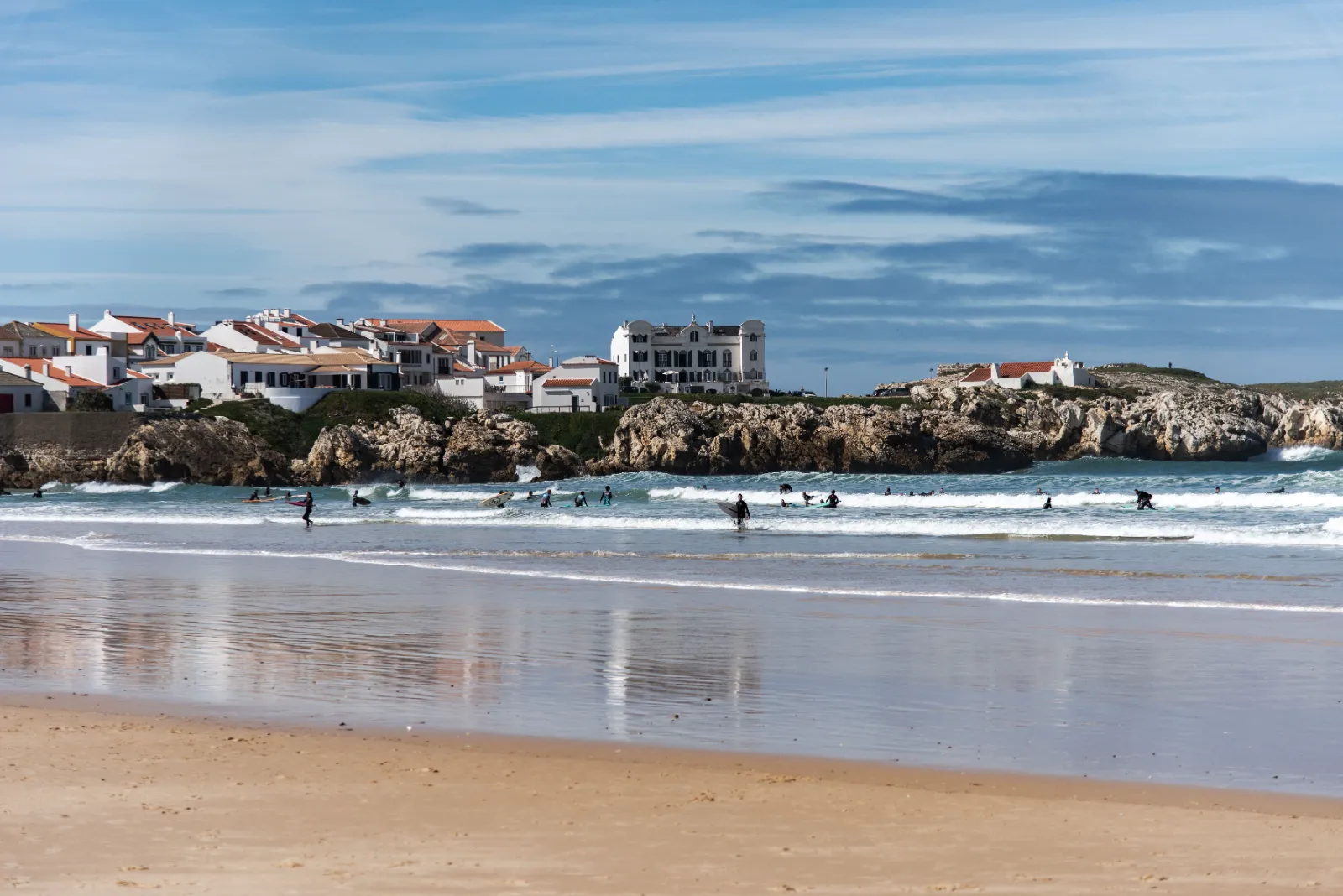 Peniche
A fishing peninsula where Atlantic surf meets a living tradition of handmade bobbin lace.
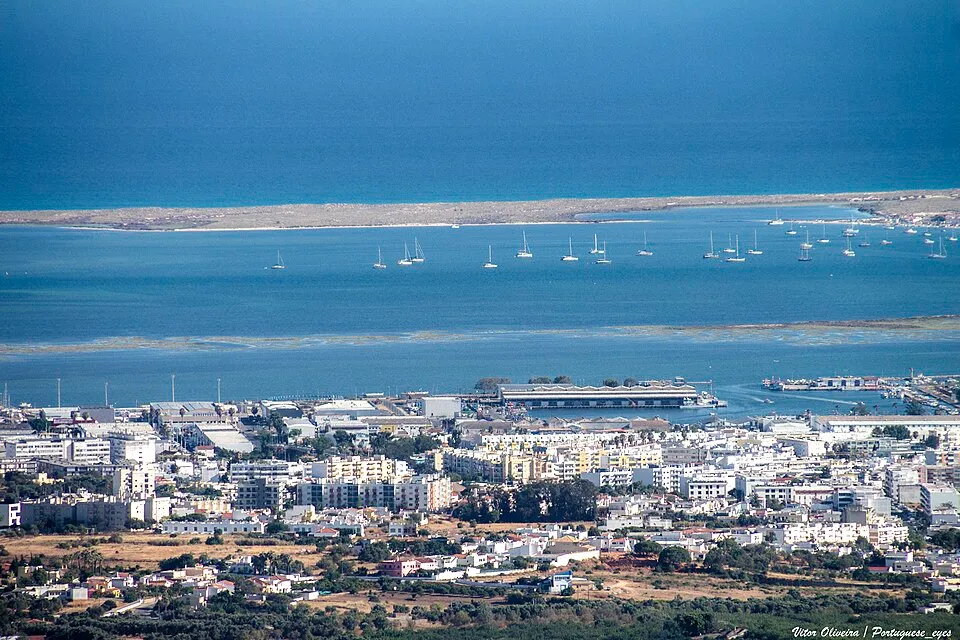 Olhão
Flat-roofed houses and fishing traditions frame a gateway to the Ria Formosa islands.
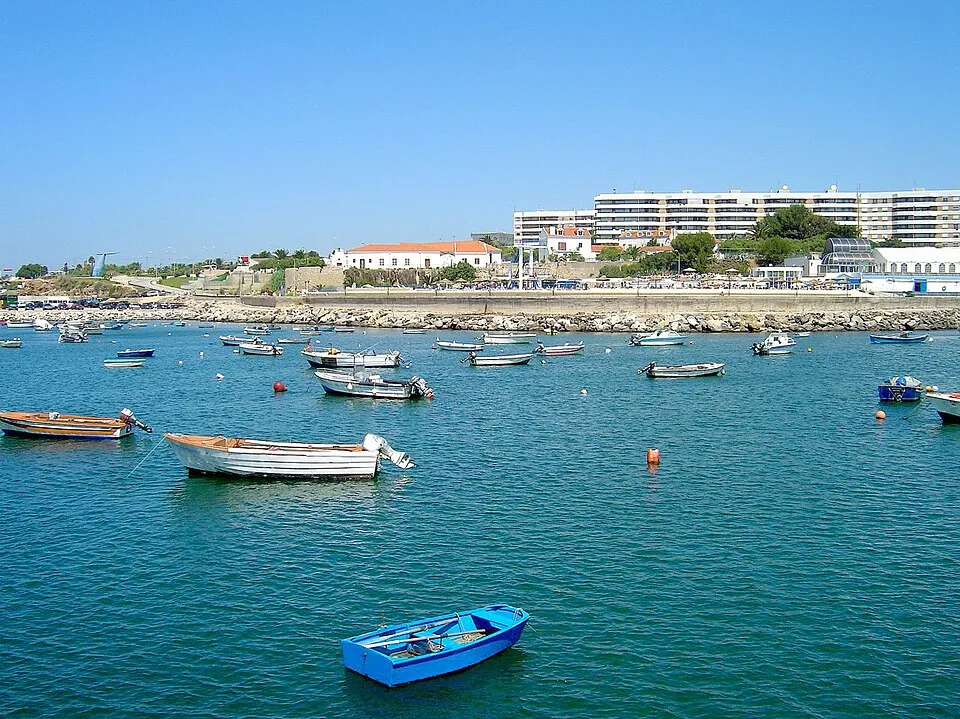 Oeiras
A historic palace and waterfront promenade meet science and technology on Lisbon’s western edge.
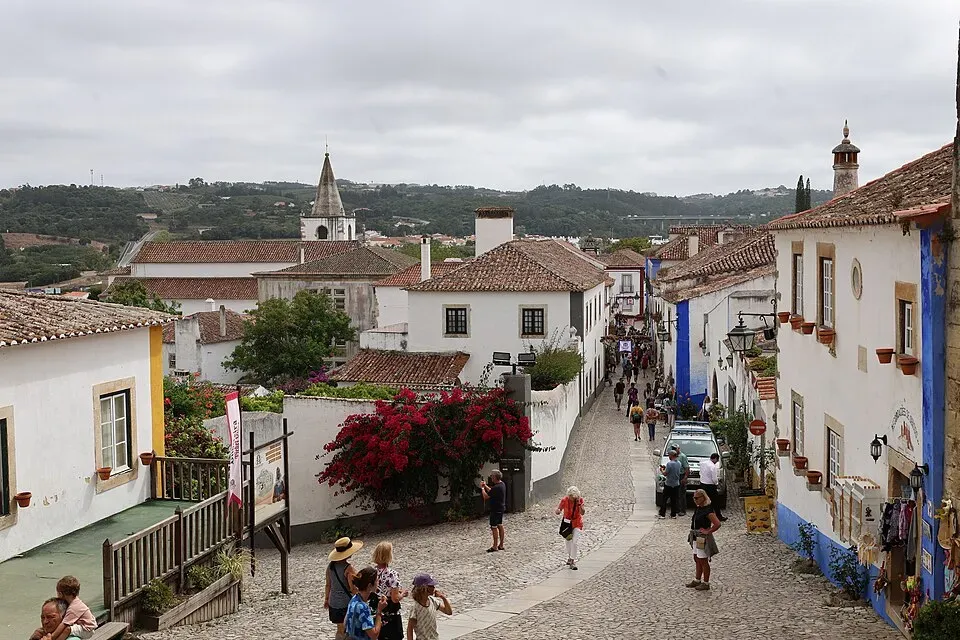 Óbidos
A medieval walled town recognised as a UNESCO City of Literature since 2015.
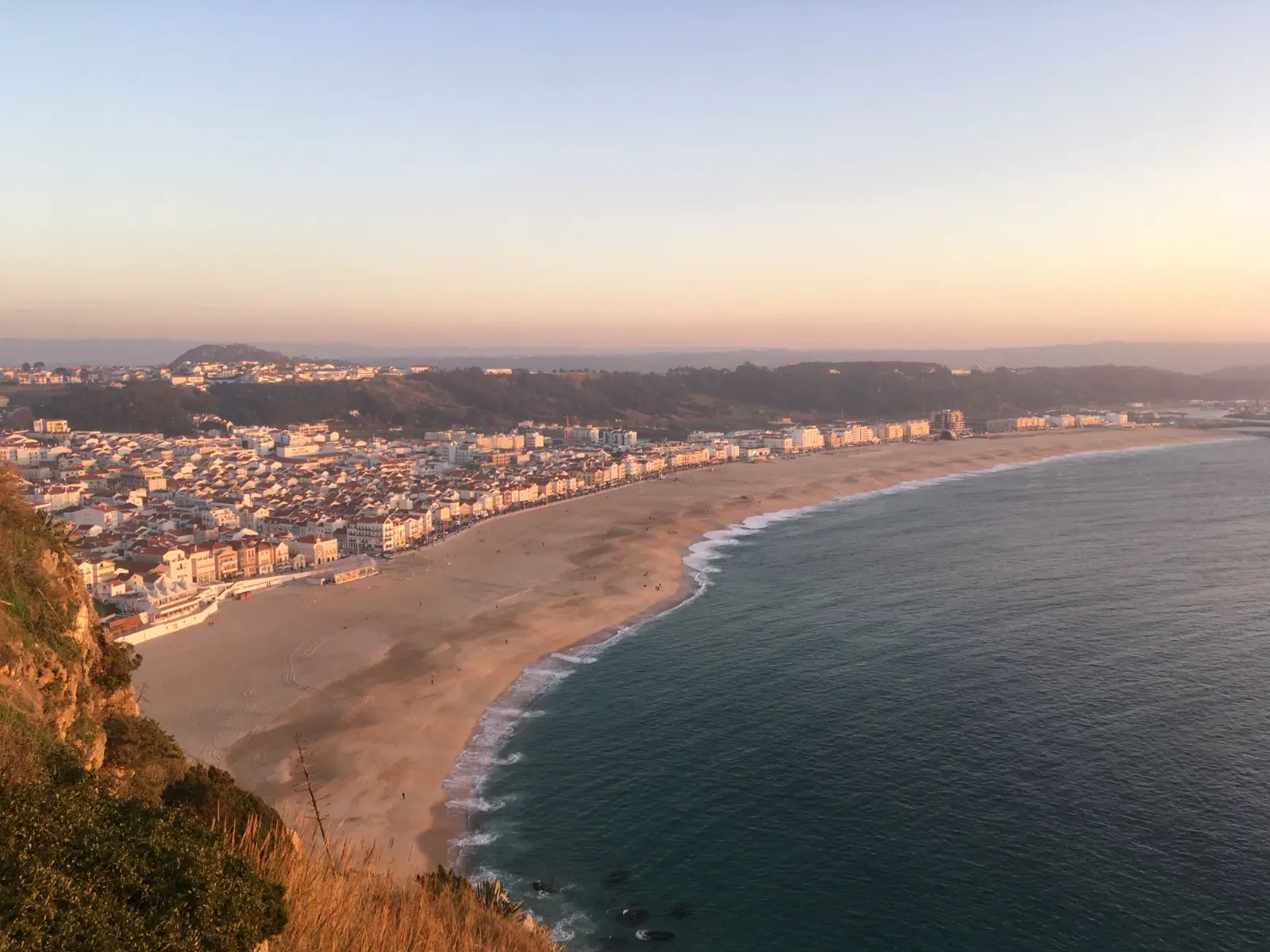 Nazaré
A funicular opened in 1889 connects the fishing waterfront with the historic clifftop settlement.
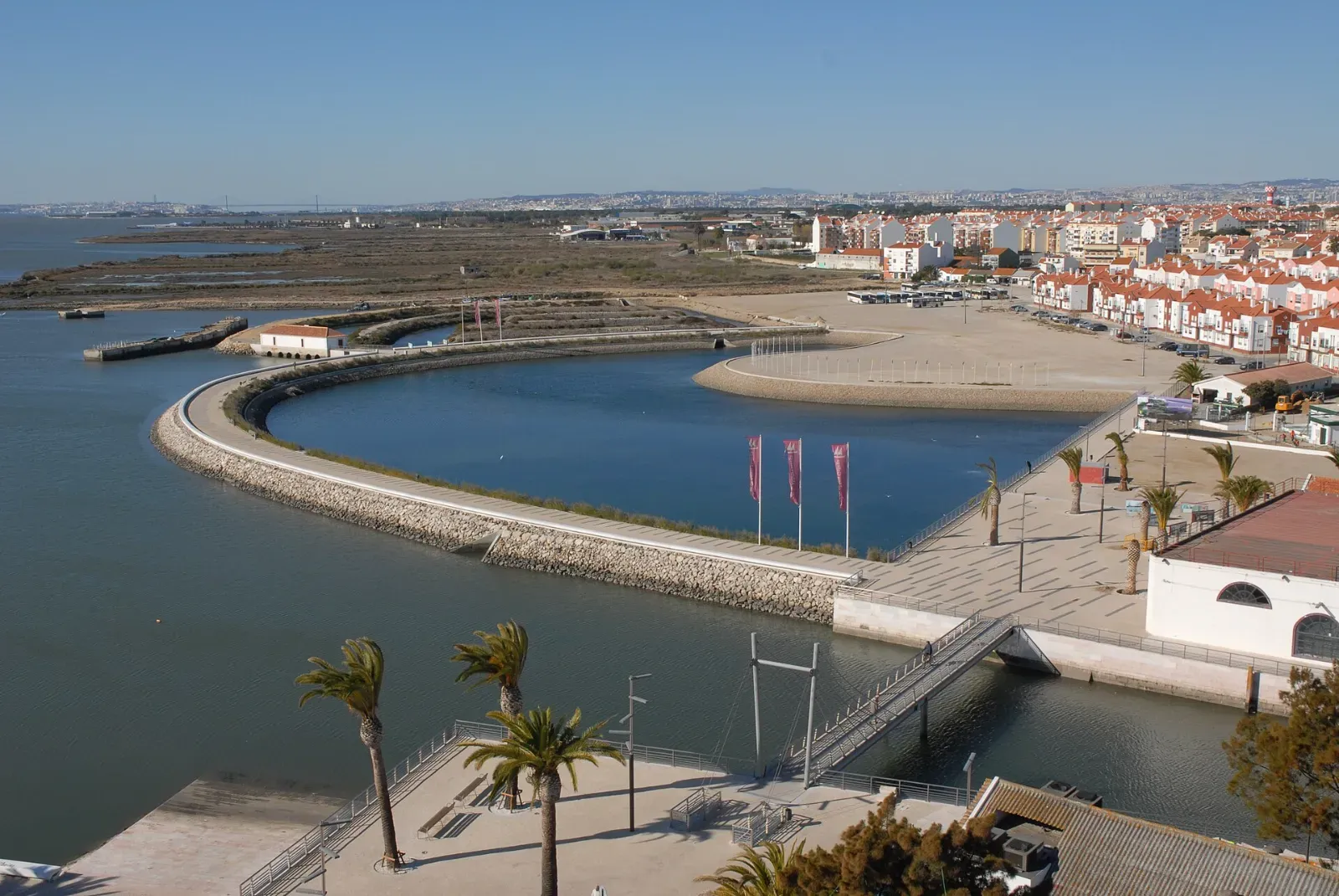 Montijo
Once named Aldeia Galega do Ribatejo, its trading heritage remains closely tied to the Tagus.
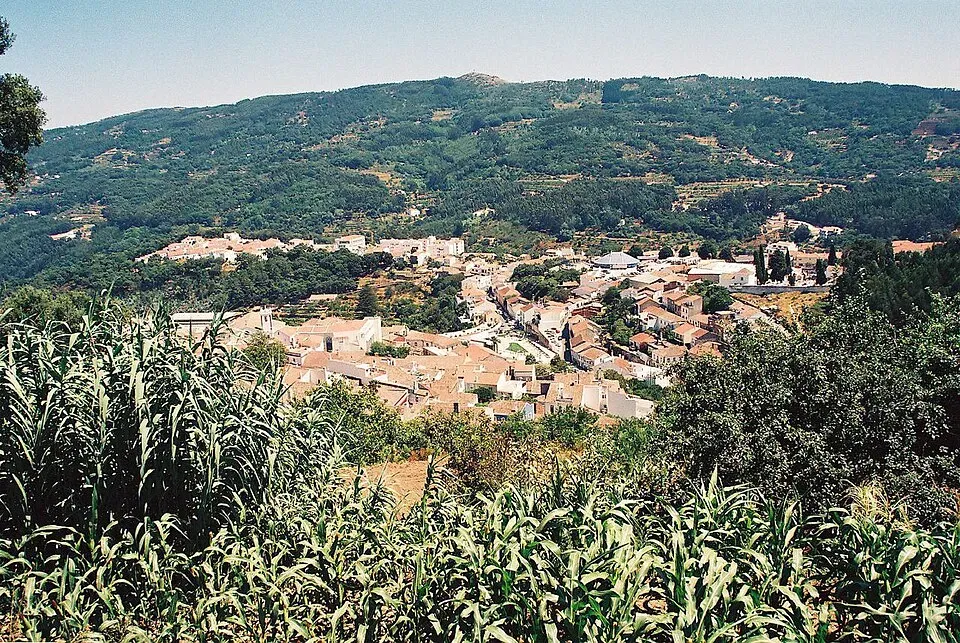 Monchique
Thermal springs used by the Romans sit among wooded hills and traditional mountain settlements.
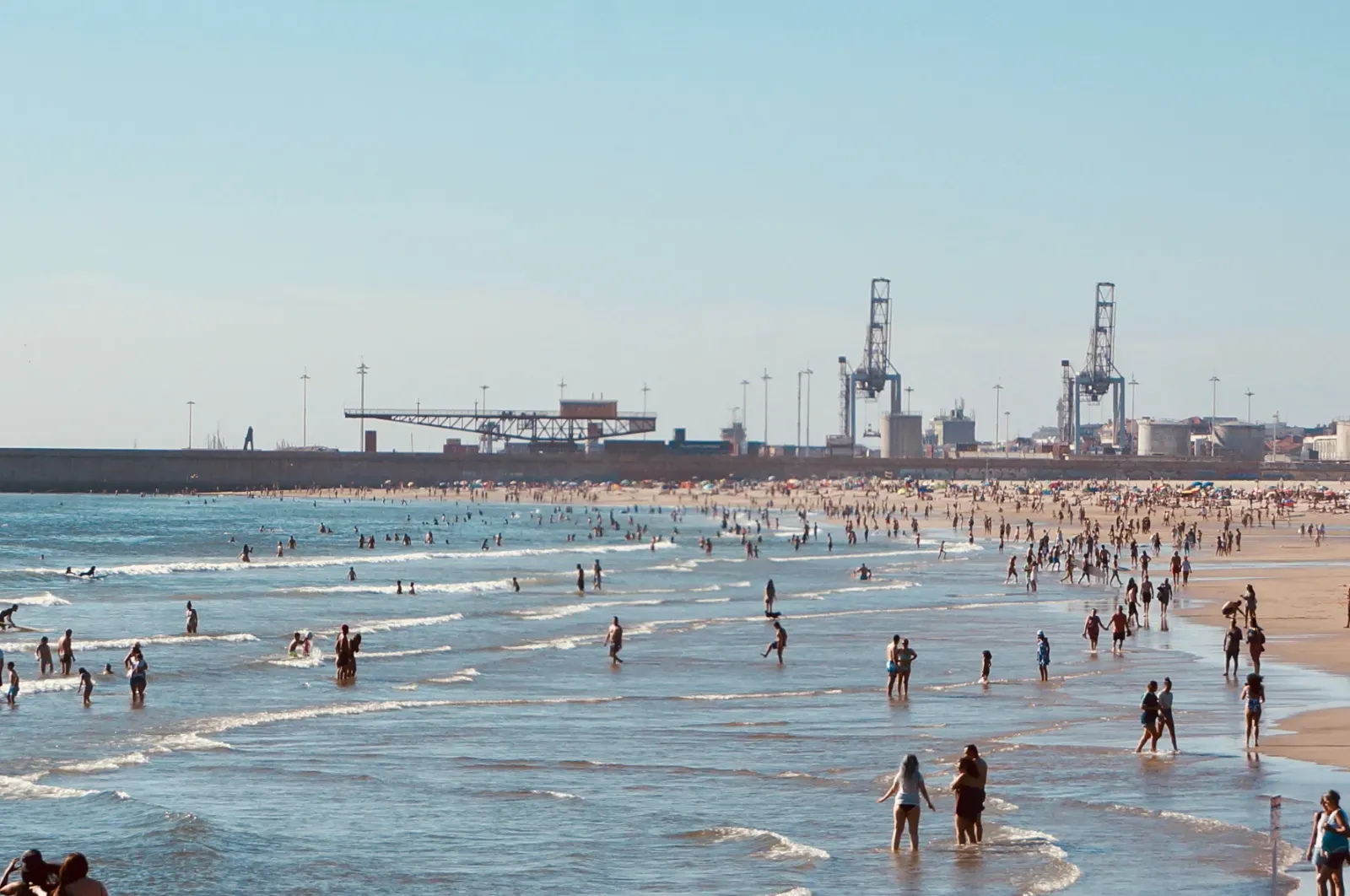 Matosinhos
Home to Álvaro Siza’s seawater pools, where modern architecture meets Atlantic rock formations.
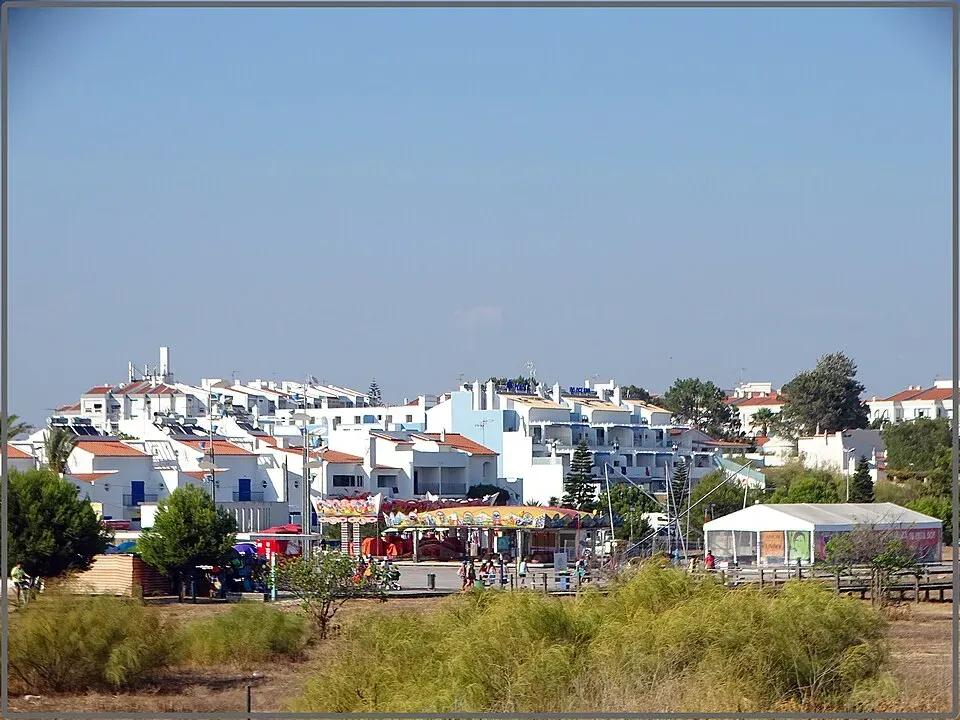 Manta Rota
A broad sandy beach marks the eastern edge of the Ria Formosa’s dune landscape.
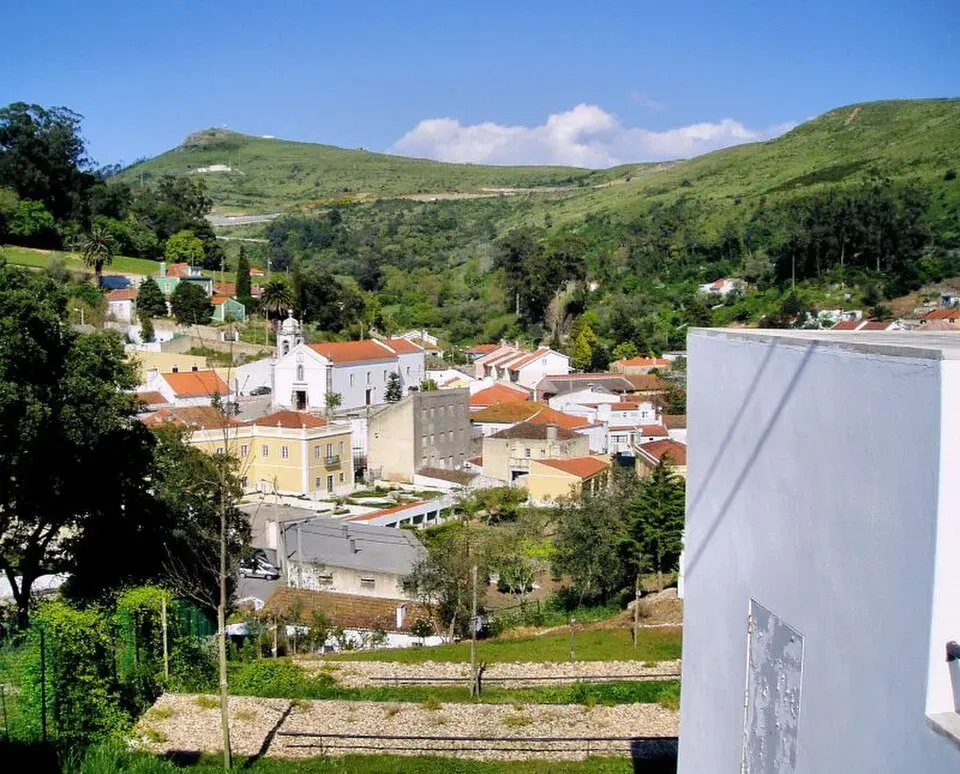 Loures
Home to Bucelas, a wine region demarcated in 1911 and renowned for Arinto whites.
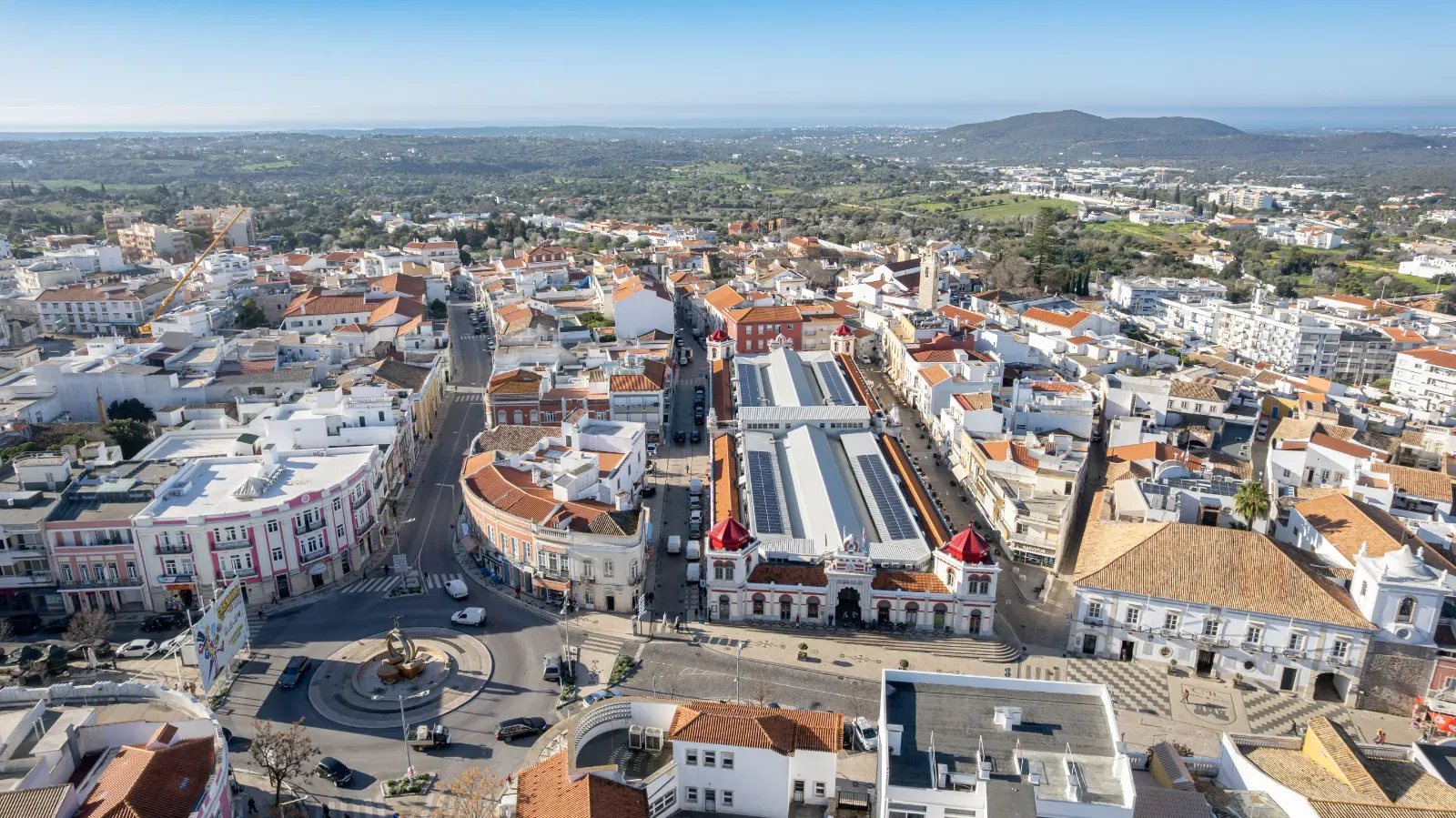 Loulé
A colourful covered market dating to 1908 anchors a traditional Algarve town rich in artisan heritage.
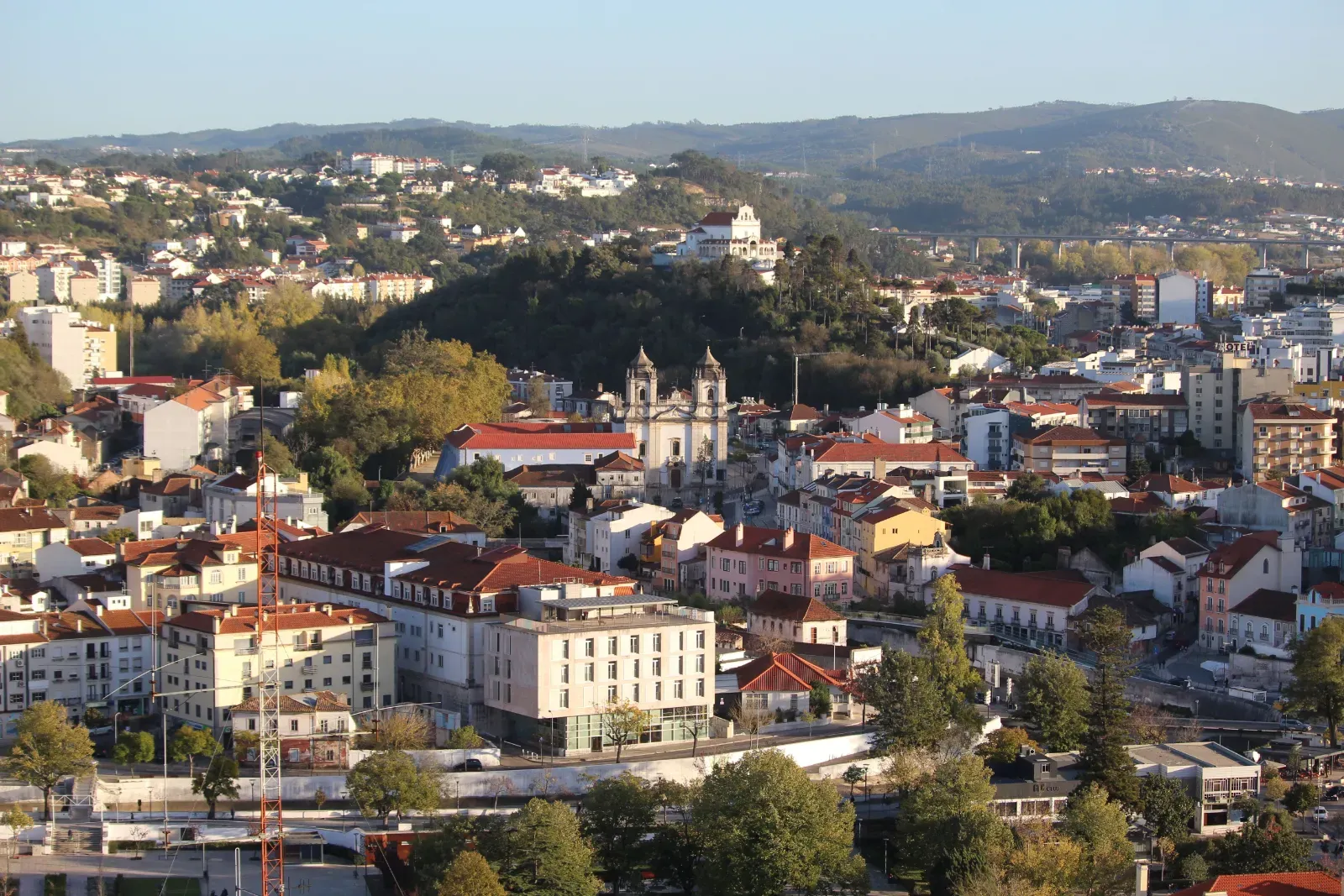 Leiria
A medieval castle overlooks the River Lis, where historic streets meet a thriving regional city.
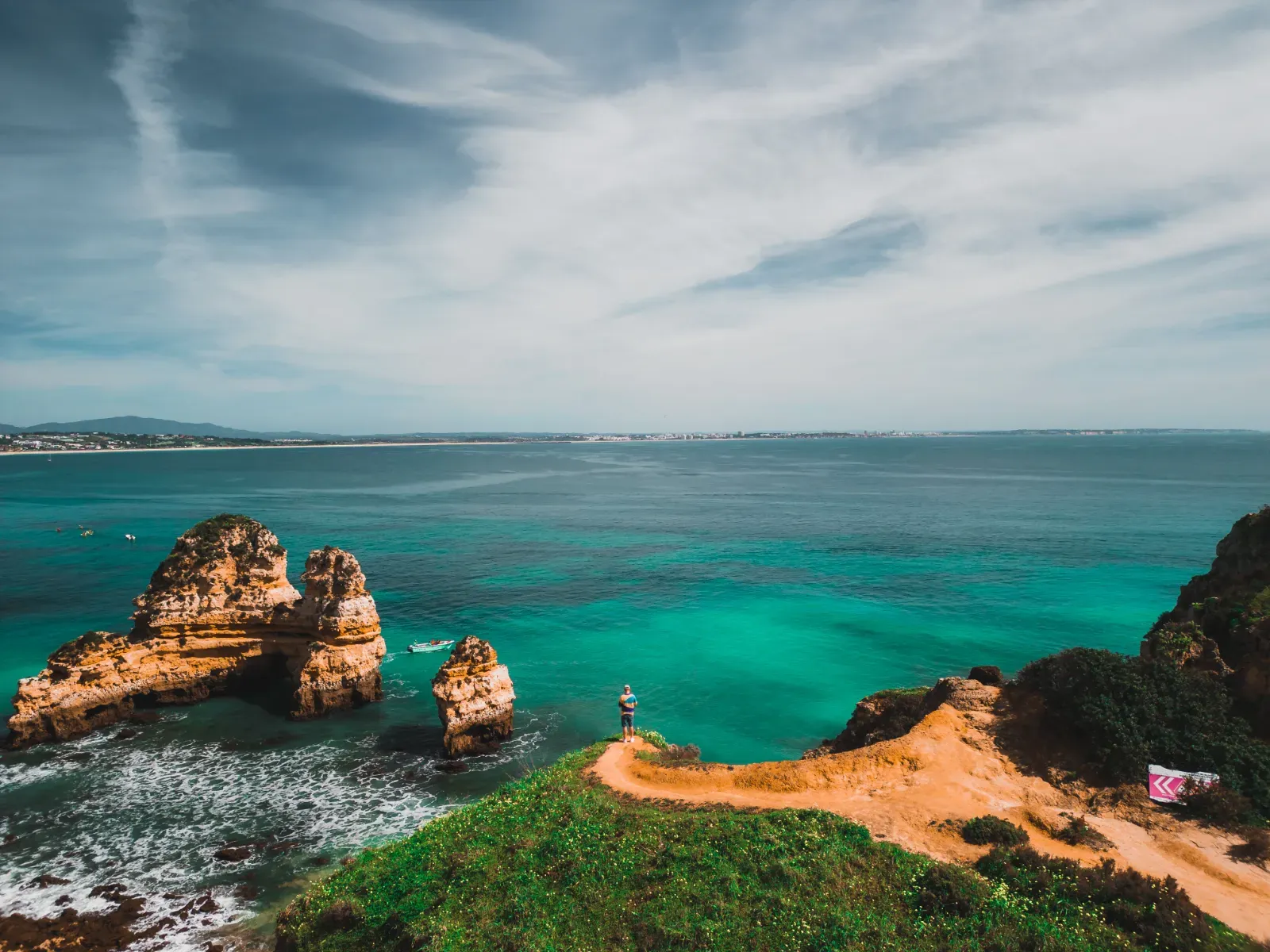 Lagos
Golden cliffs, hidden Atlantic coves and a historic maritime town shaped by Portugal's Age of Discoveries.
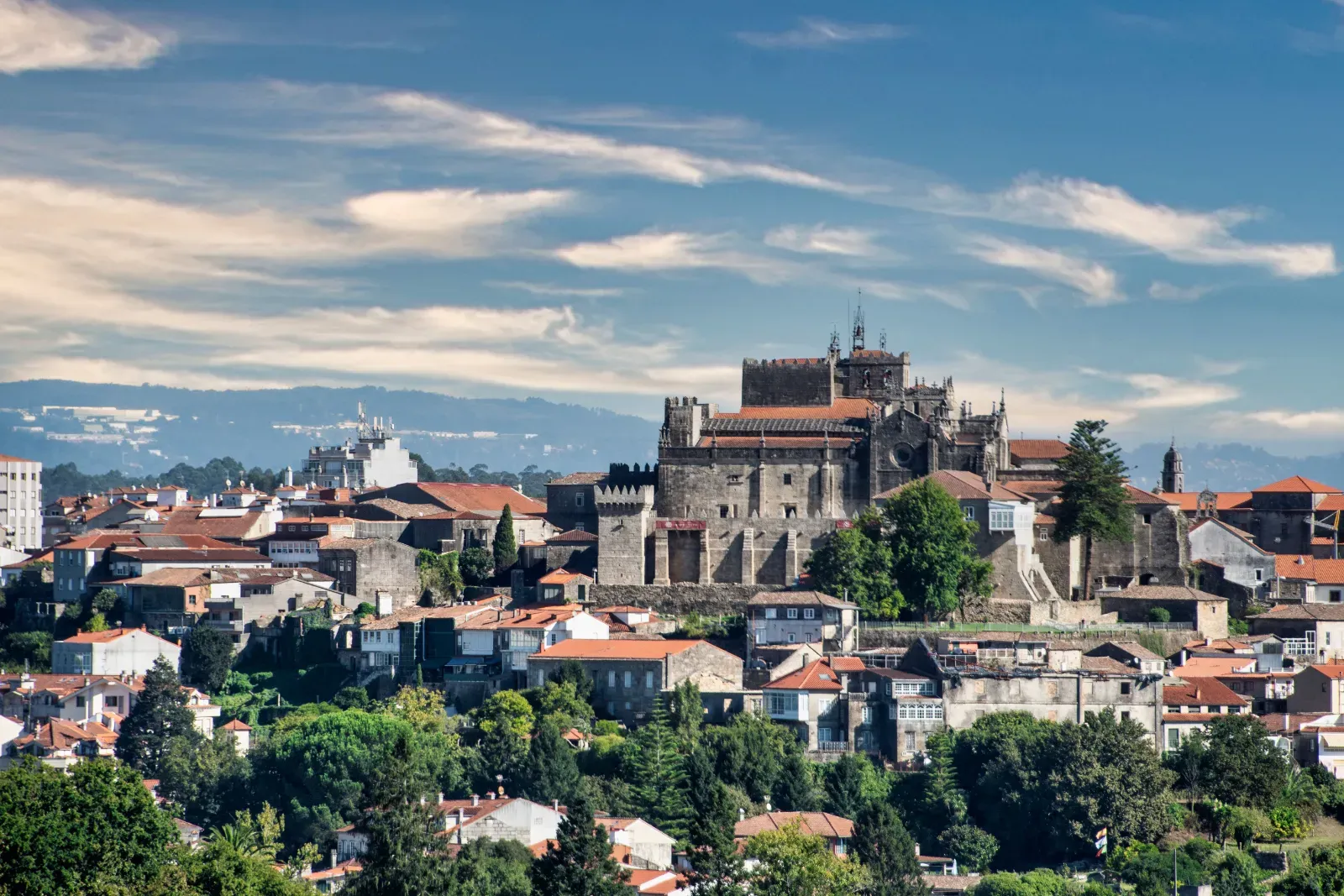 Guimarães
Birthplace of Portugal and European Green Capital 2026, with a UNESCO-listed medieval centre.
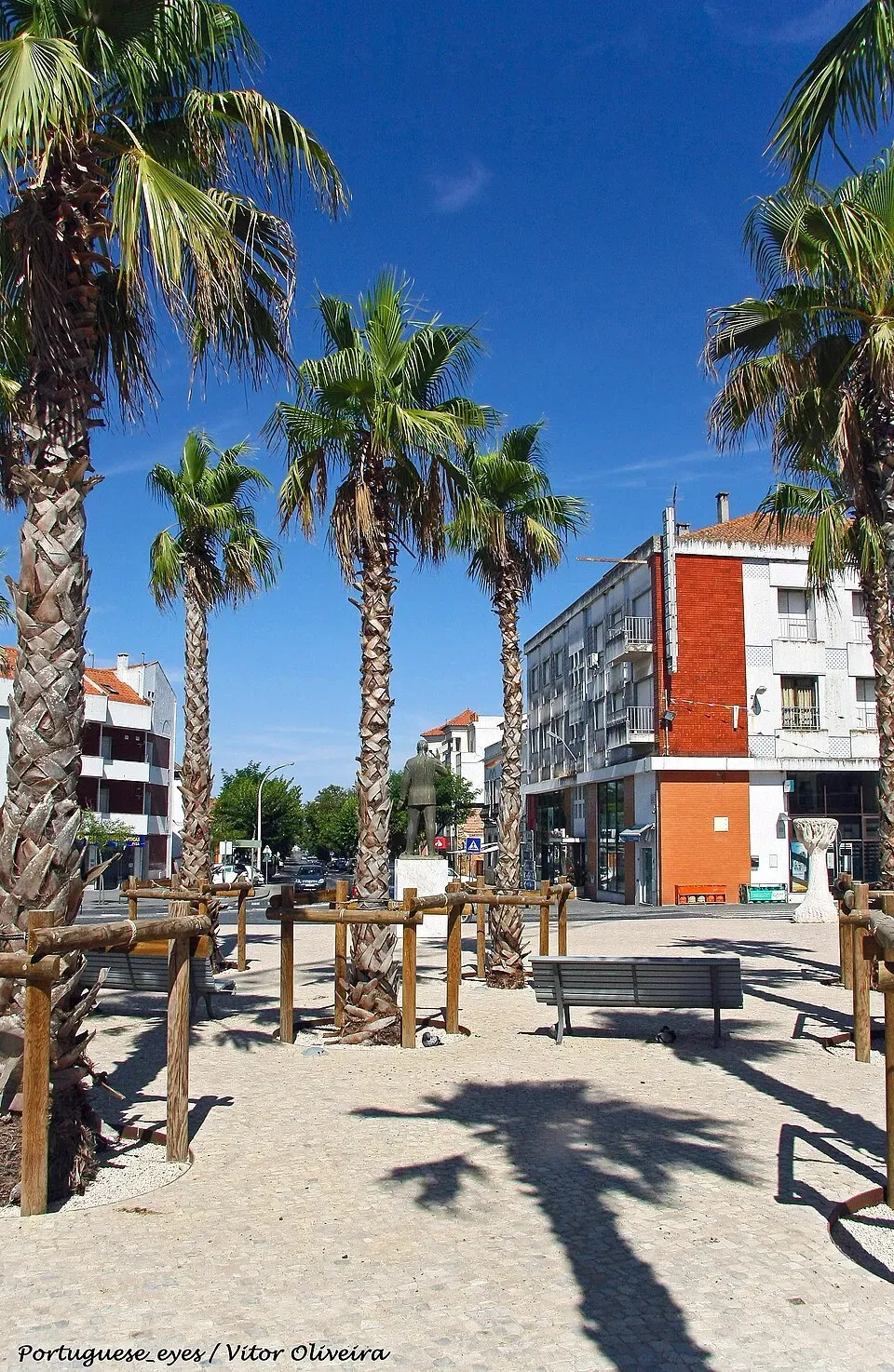 Grândola
Home of the song that helped signal Portugal's 1974 Carnation Revolution, surrounded by cork-oak countryside.
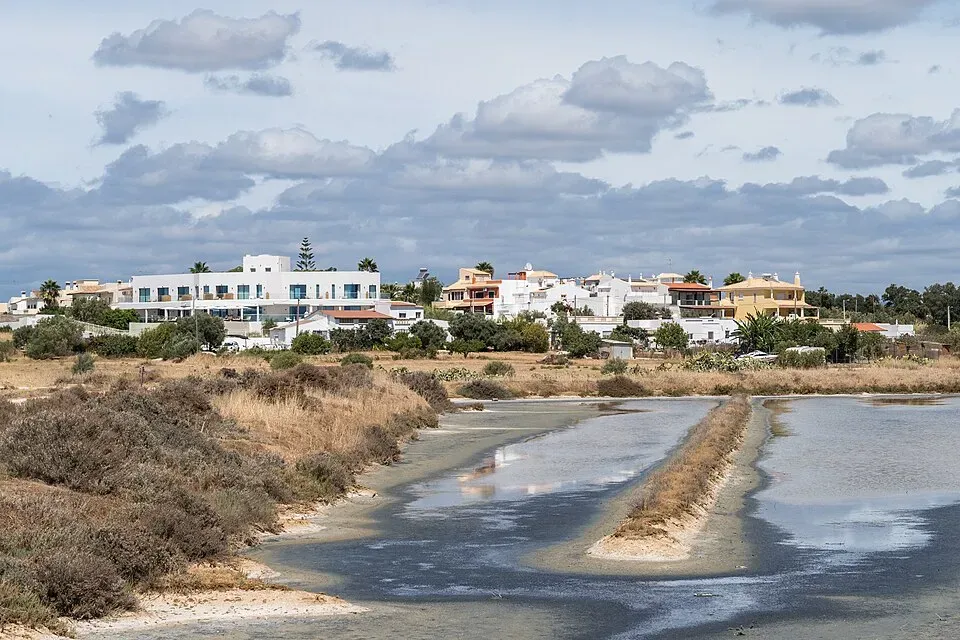 Fuseta
A traditional fishing village where tidal lagoons, working boats and island beaches shape everyday life.
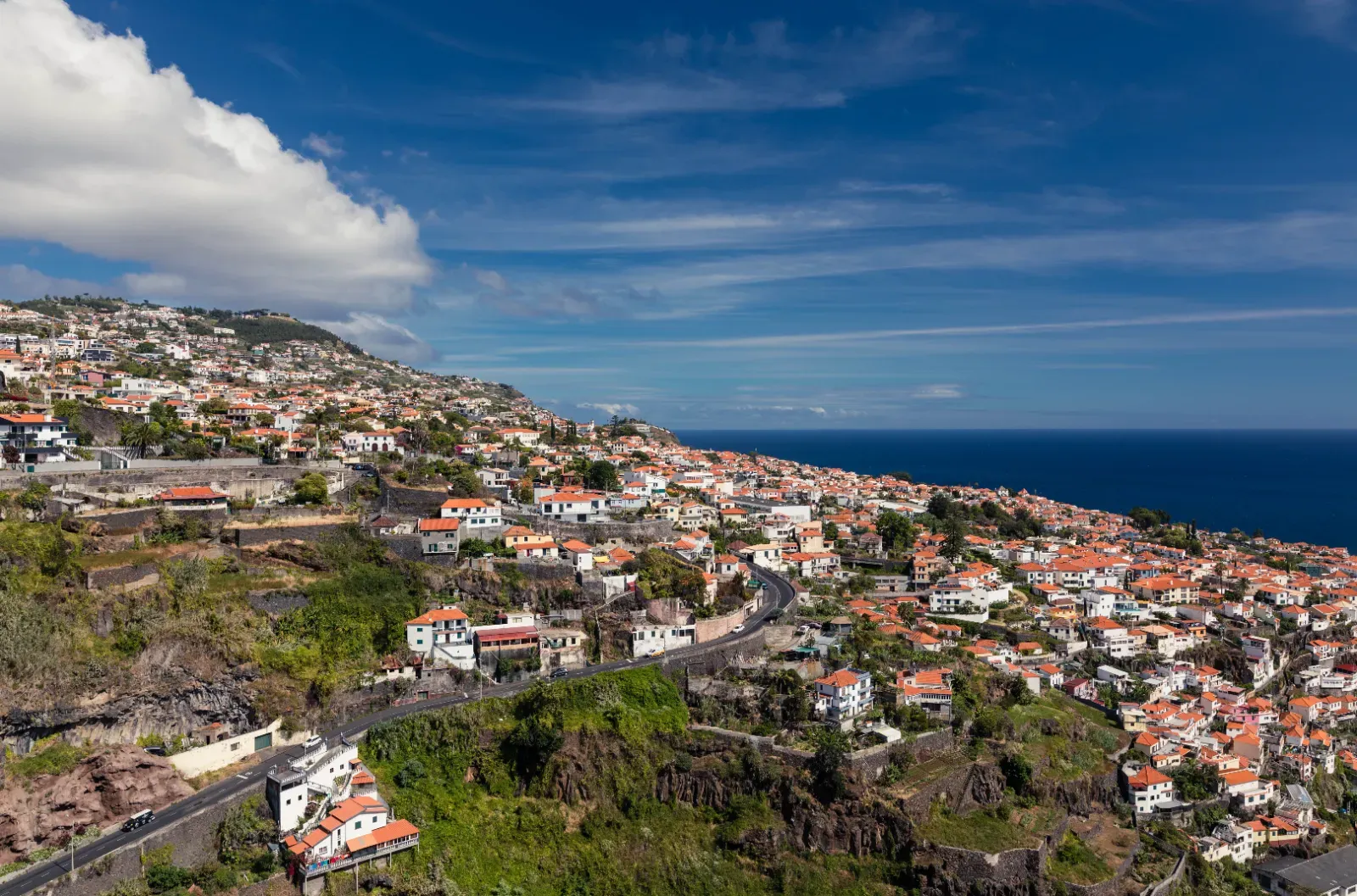 Funchal
Once linked to Monte by steam railway, its historic cable car route now offers sweeping Atlantic views.
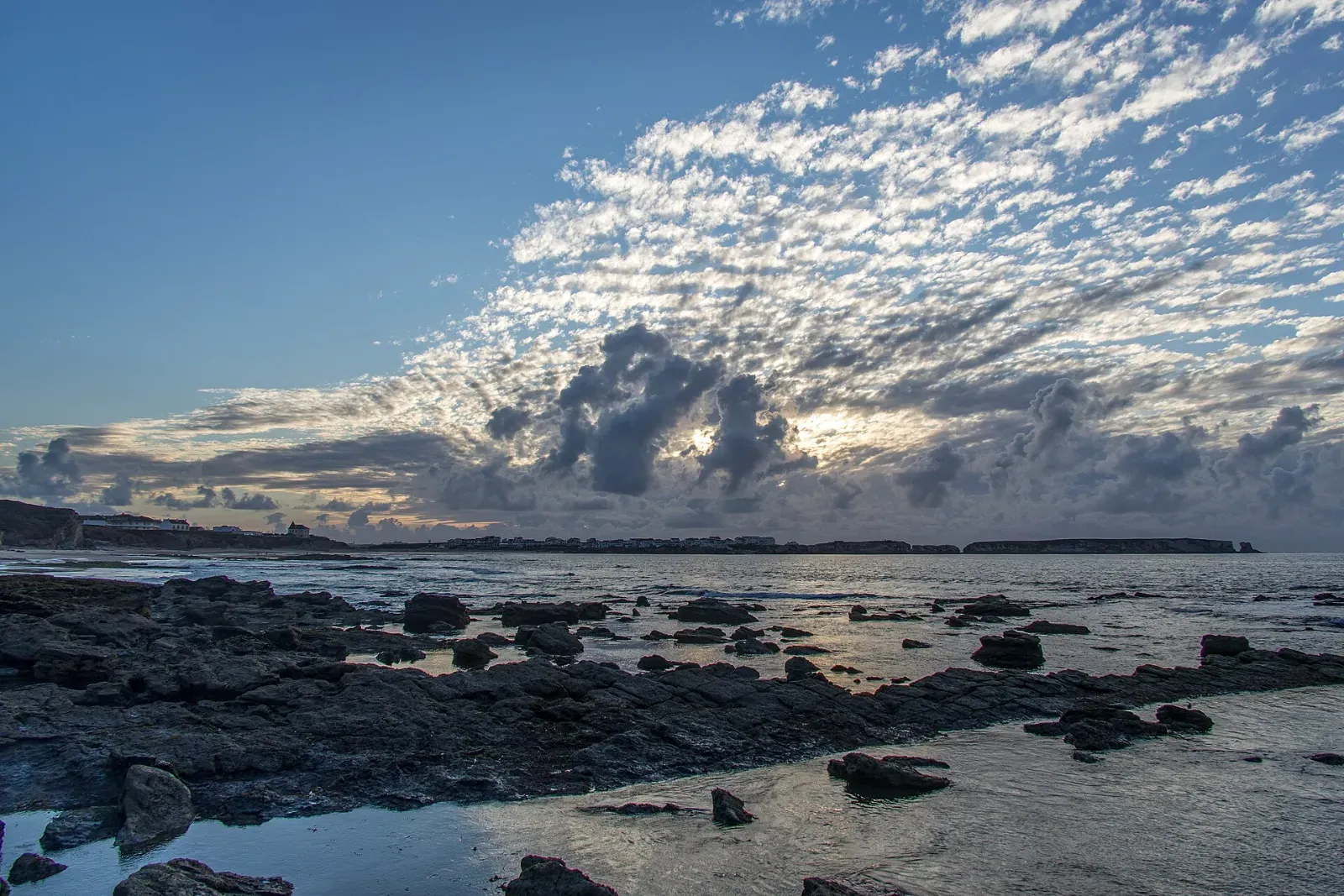 Ferrel
A traditional Silver Coast village between Baleal's lively surf beaches and Almagreira's dramatic Atlantic cliffs.
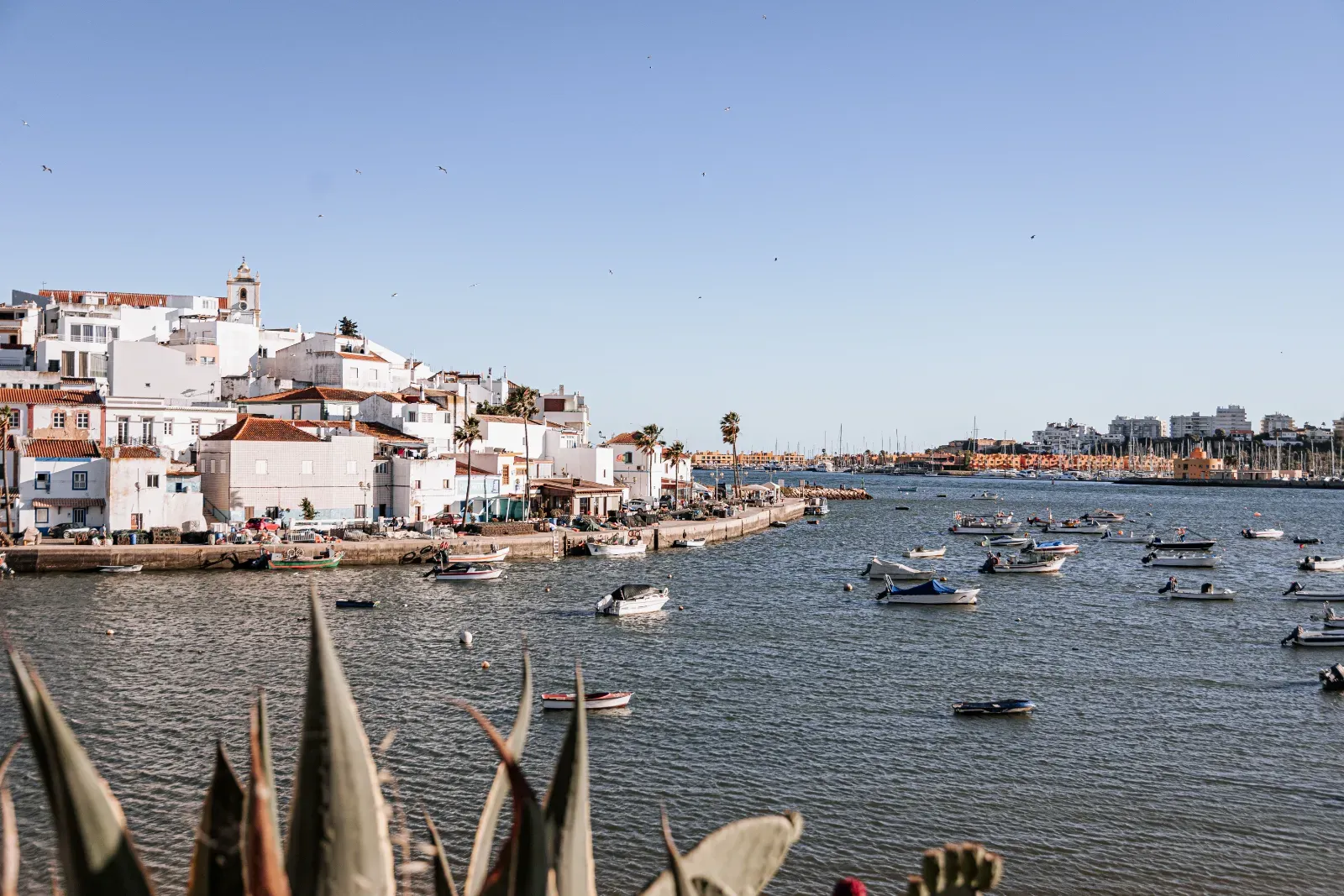 Ferragudo
A whitewashed fishing village celebrating over 500 years of history, overlooking the Arade River.
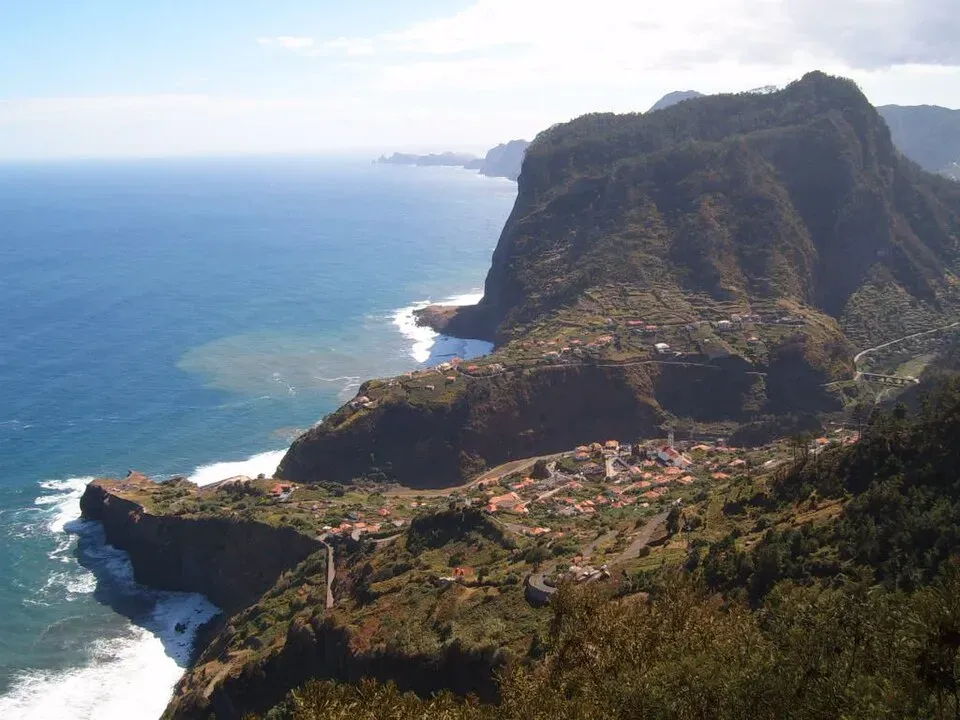 Faial
Known as the Blue Island, with volcanic landscapes shaped by an eruption that added new land in 1958.
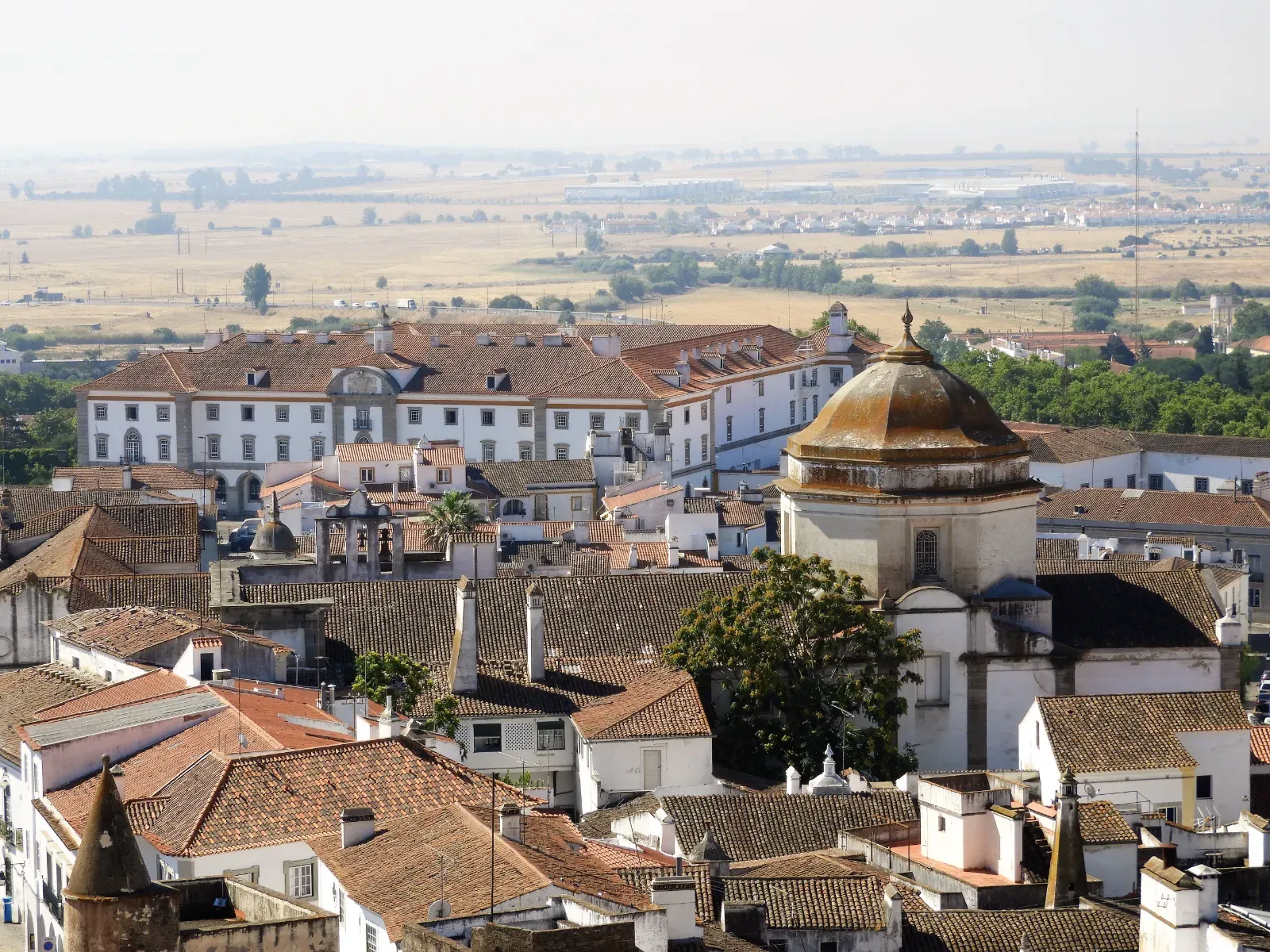 Évora
Home to a Roman temple once used as a butcher's shop, within a UNESCO-listed historic centre.
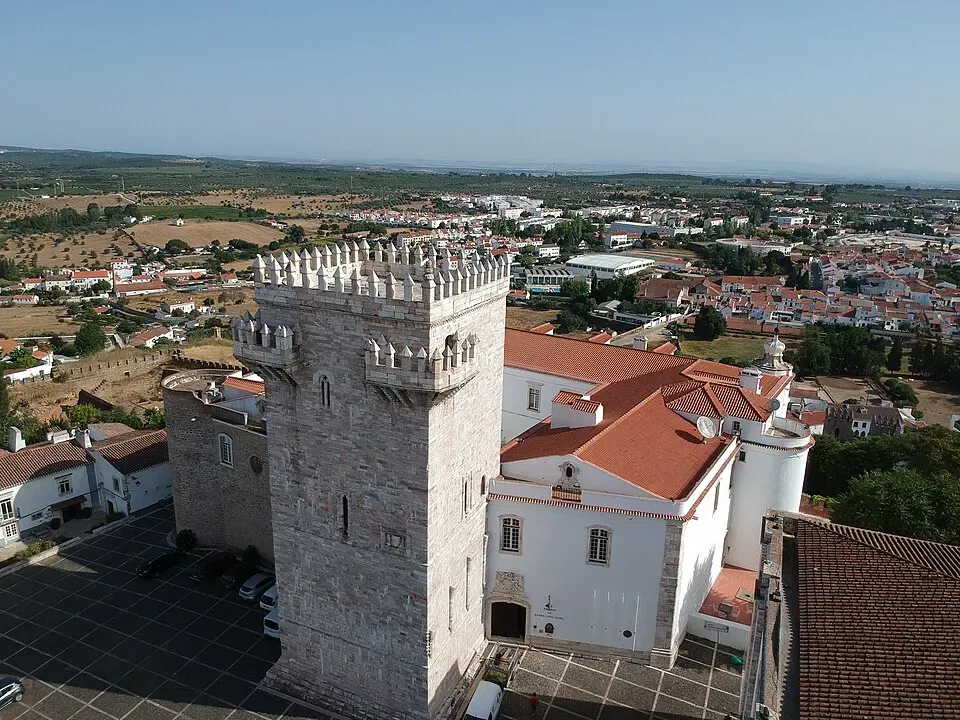 Estremoz
Famous for its white marble and traditional clay figurines, whose craftsmanship is recognised by UNESCO.
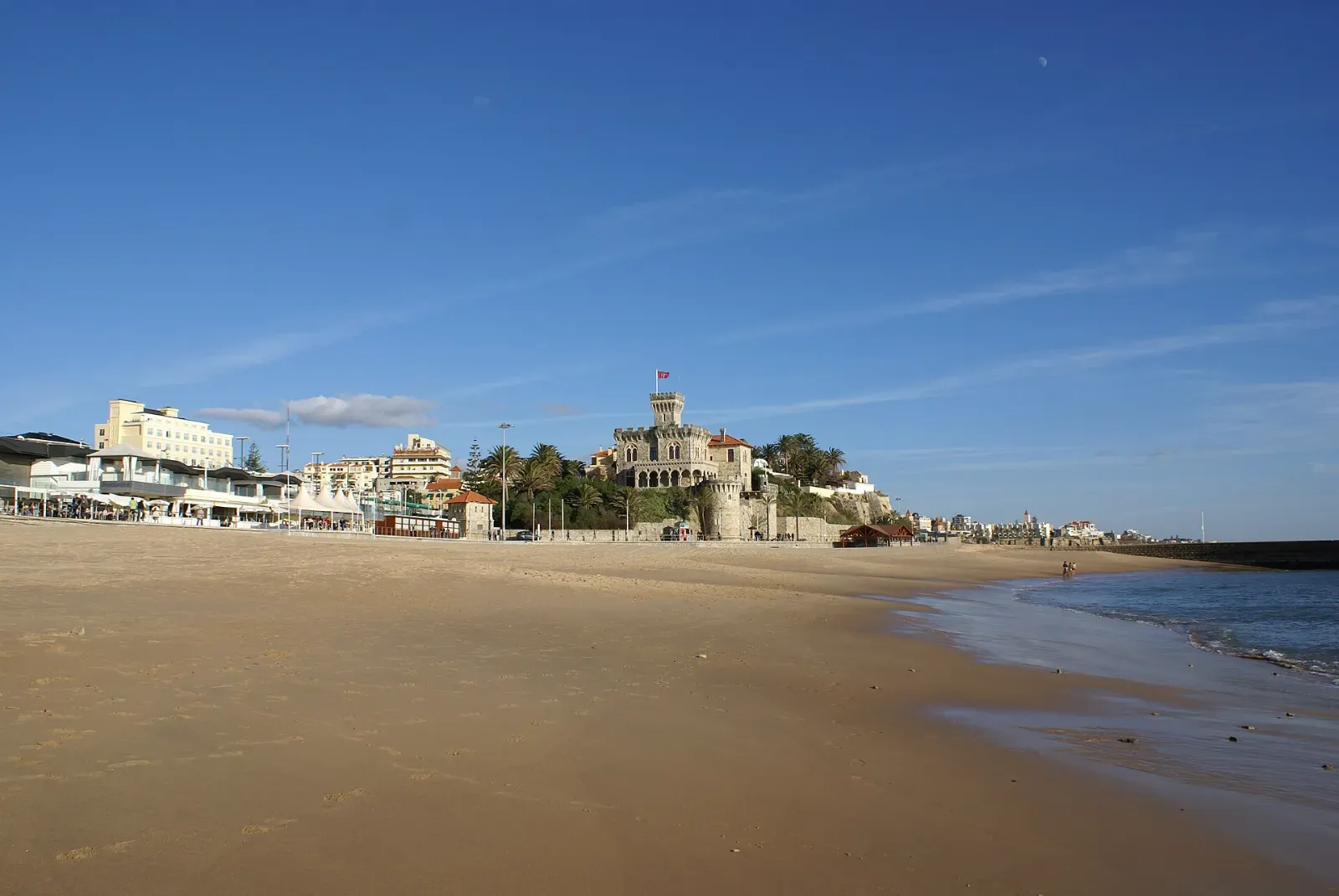 Estoril
A wartime haven for spies and exiled royalty, whose intrigue helped inspire Ian Fleming's Casino Royale.
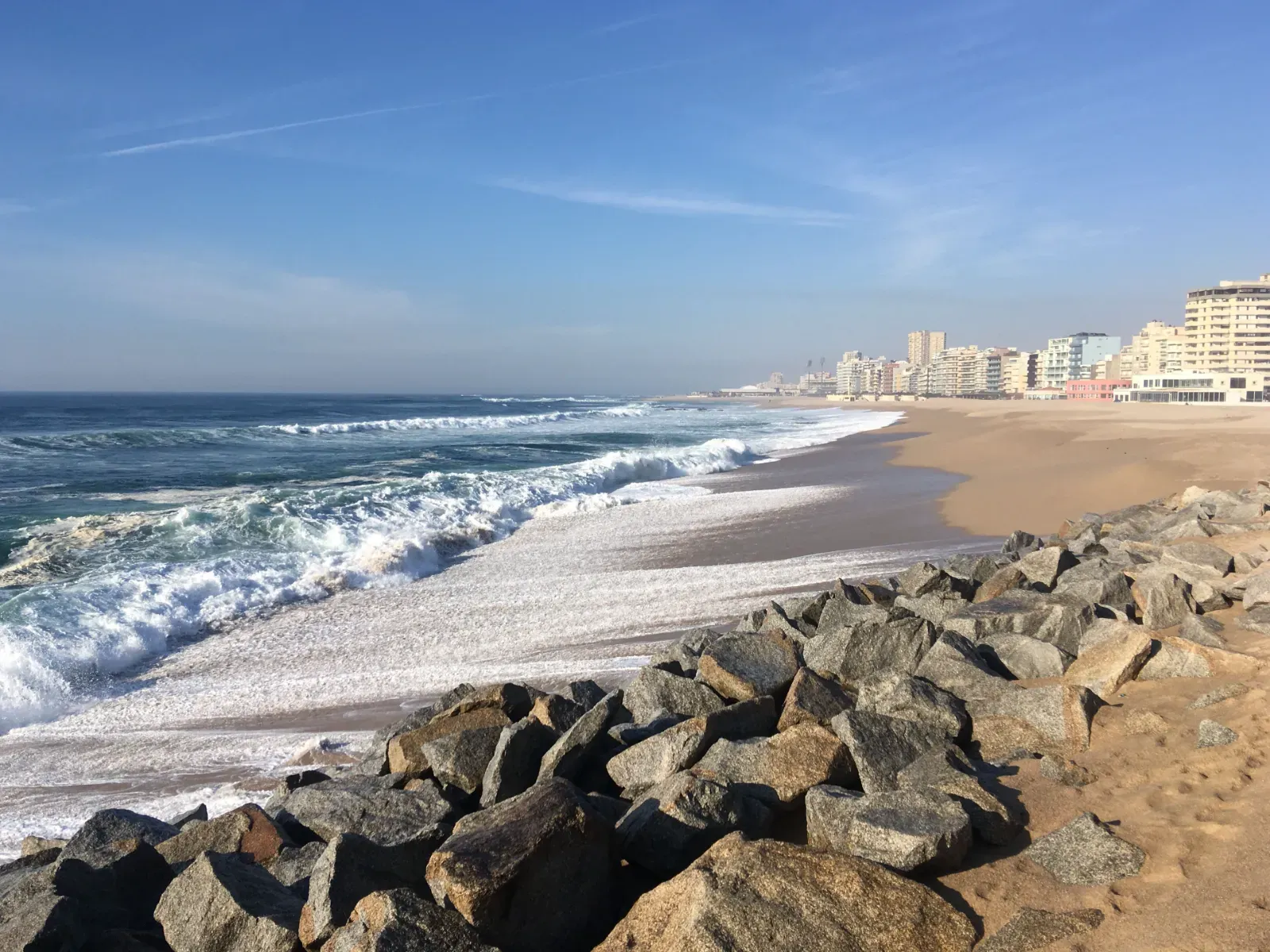 Espinho
Known for its numbered street grid, a tradition introduced after the fall of the Portuguese monarchy in 1910.
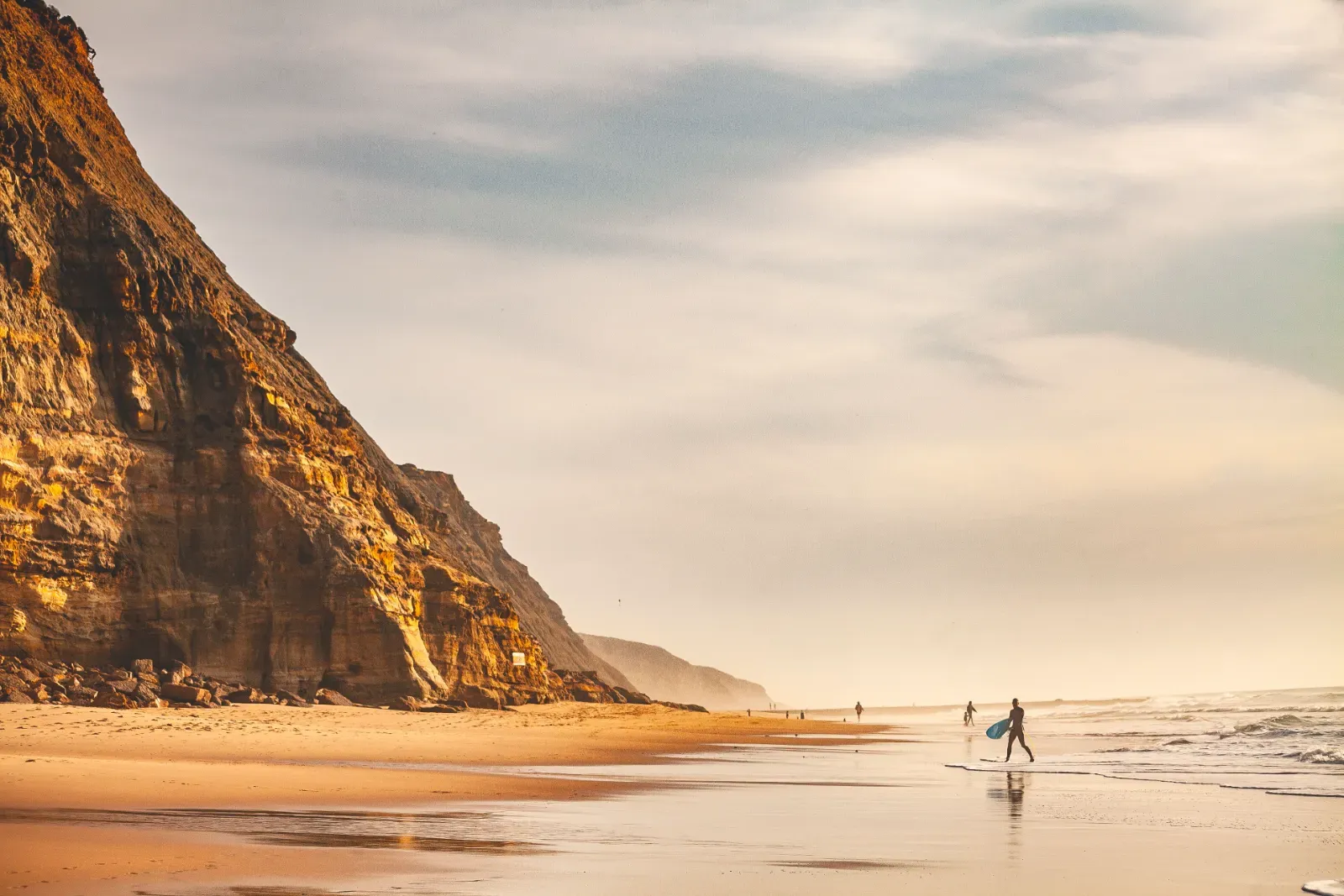 Ericeira
Europe’s first World Surfing Reserve pairs celebrated Atlantic breaks with a working fishing harbour.
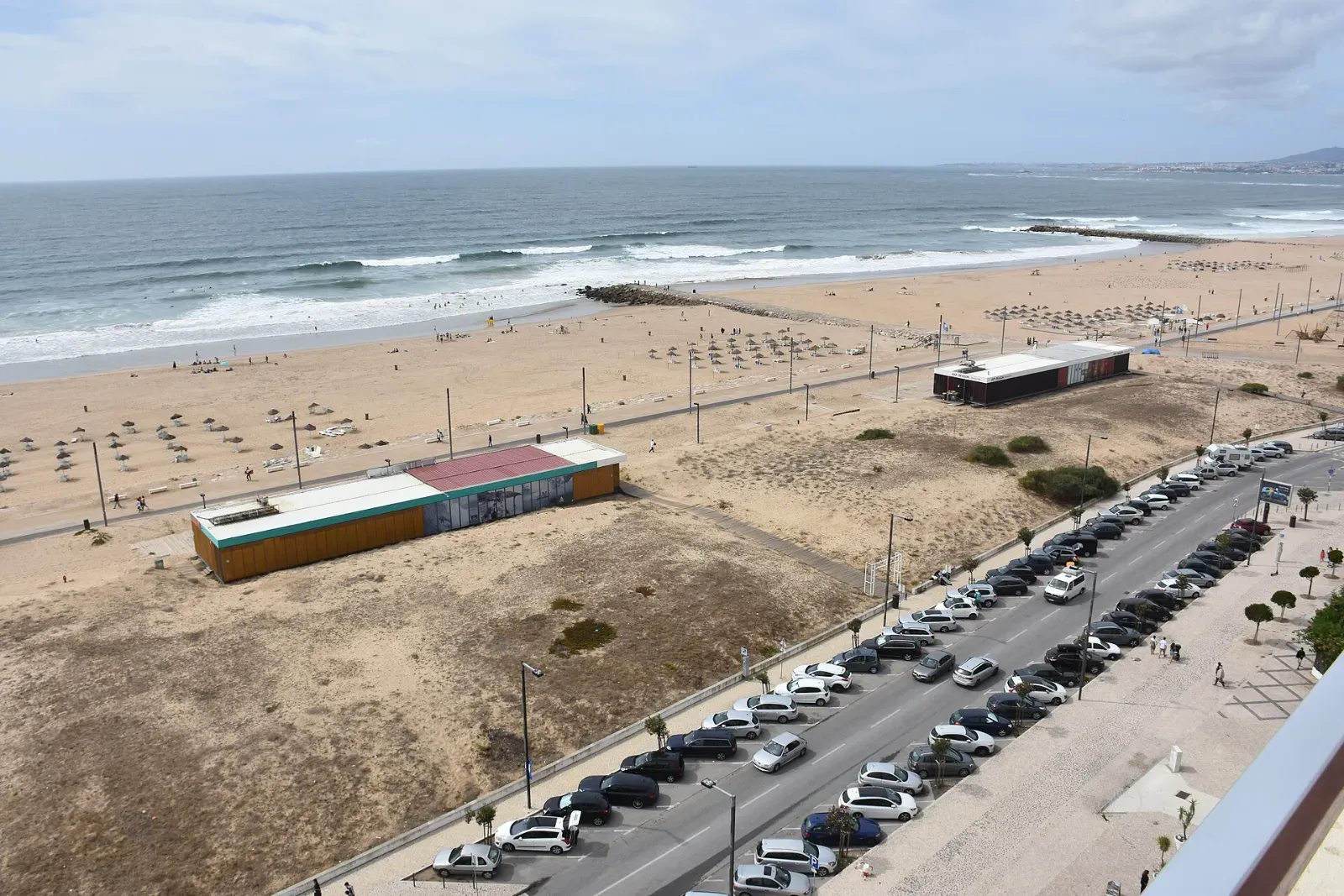 Costa da Caparica
Long Atlantic beaches, a lively surf culture and fishing traditions just south of Lisbon.
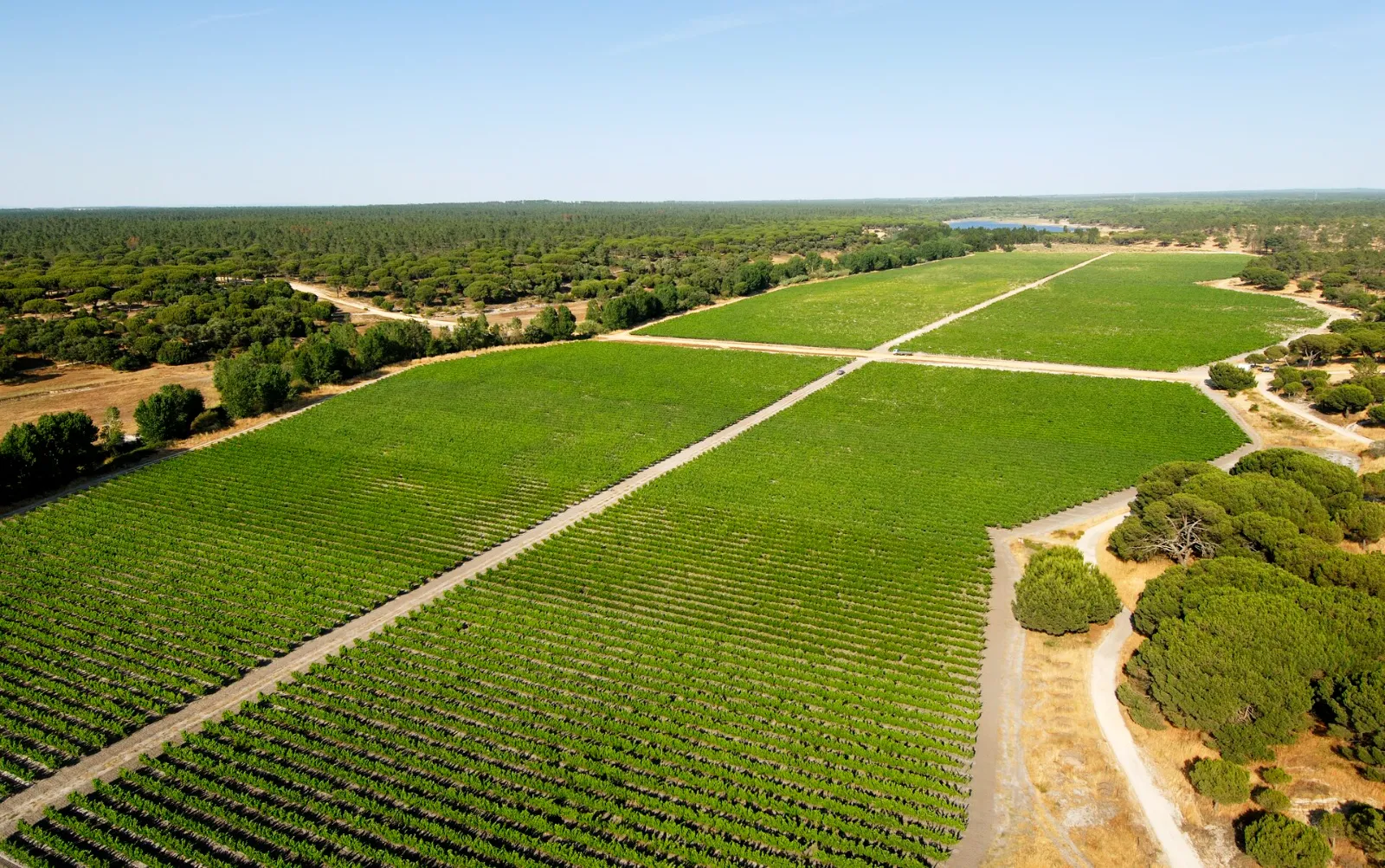 Comporta
's rice fields, pine forests and Atlantic dunes reflect its rural Alentejo heritage.
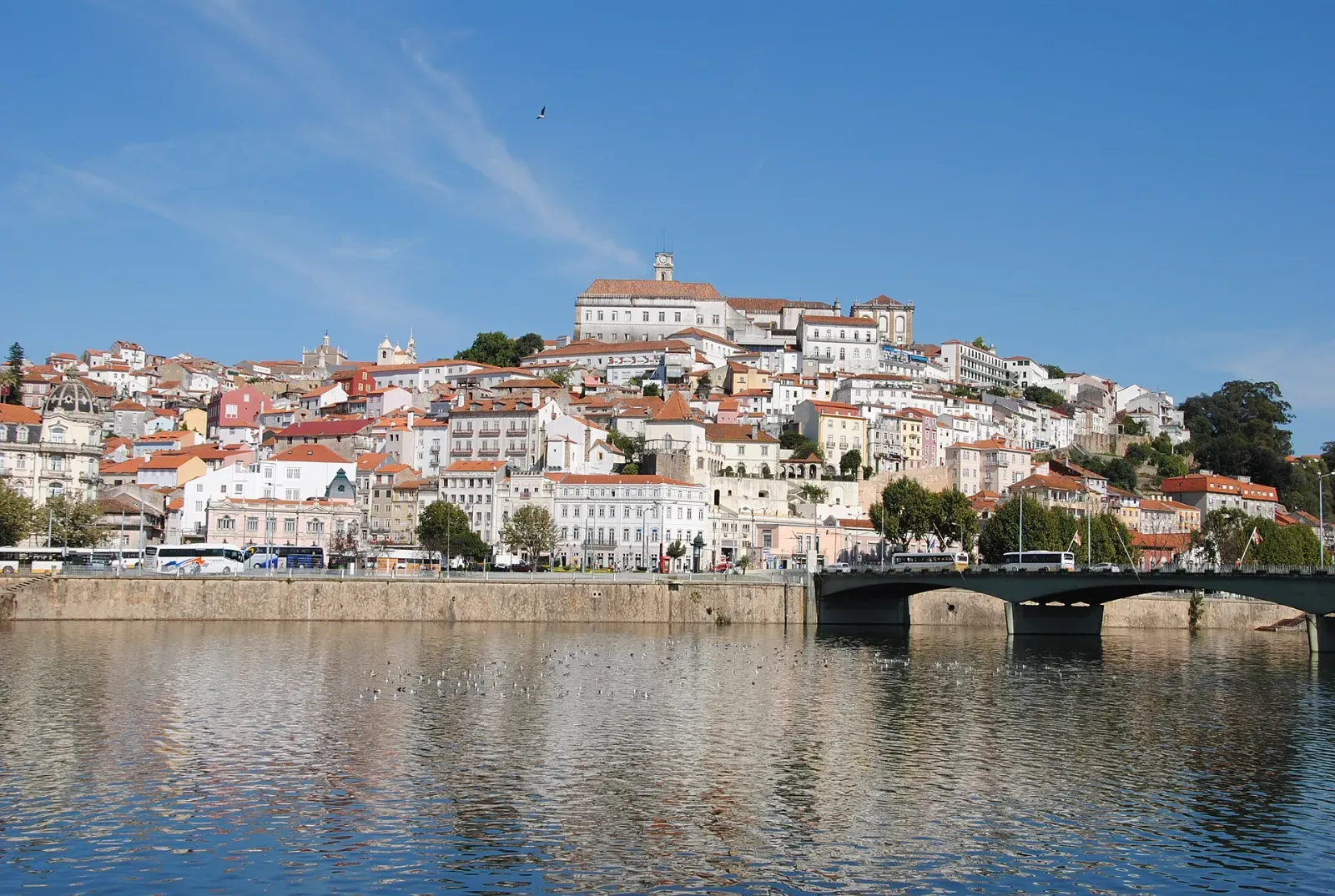 Coimbra
Founded in 1290, the University of Coimbra anchors one of Portugal's most historic academic cities.
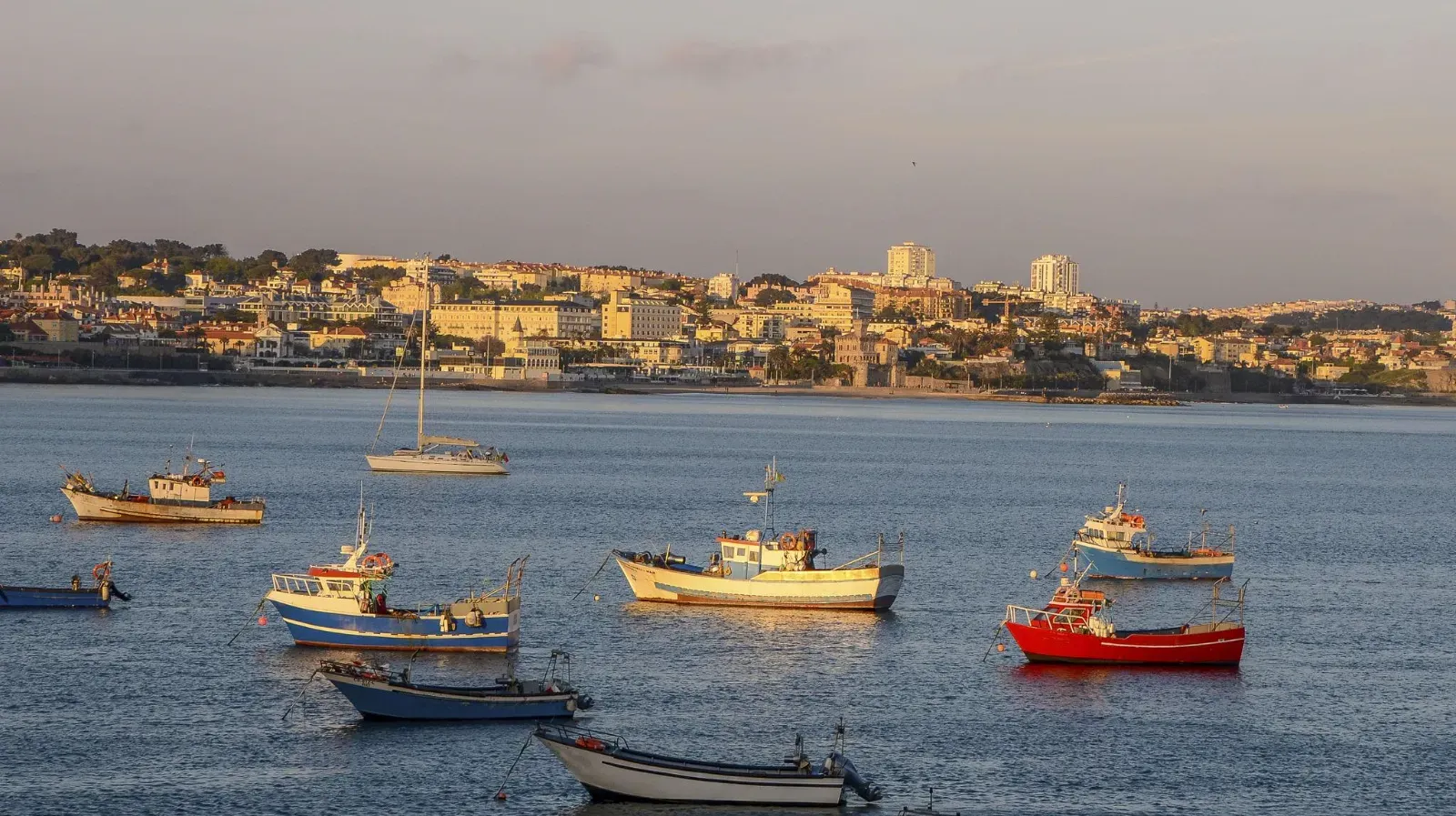 Cascais
From its historic marina to the surf beaches of Guincho, Cascais combines coastal charm with city access.
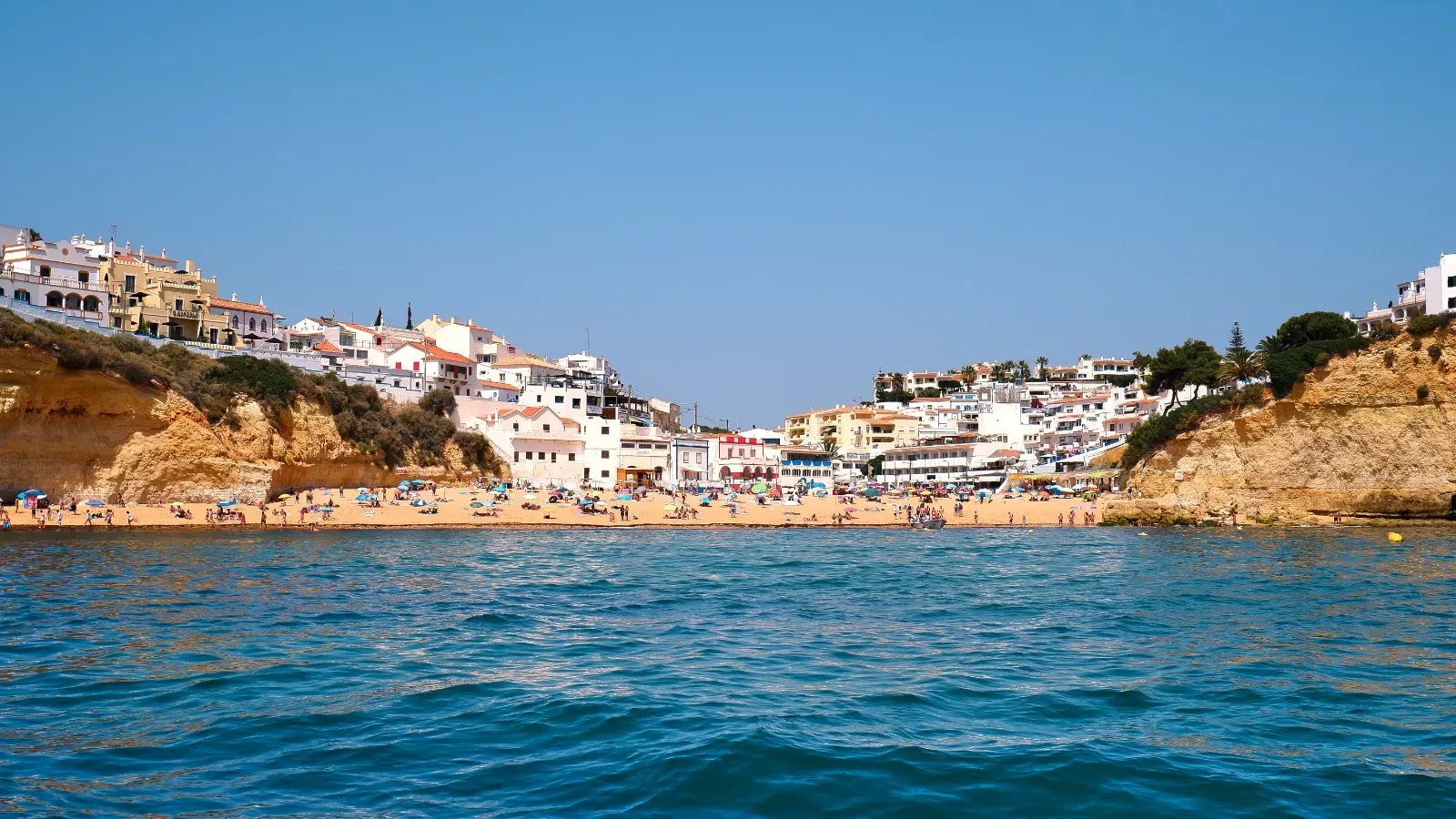 Carvoeiro
Once a fishing village, Carvoeiro is now known for its golden cliffs, sheltered bay and Algar Seco.
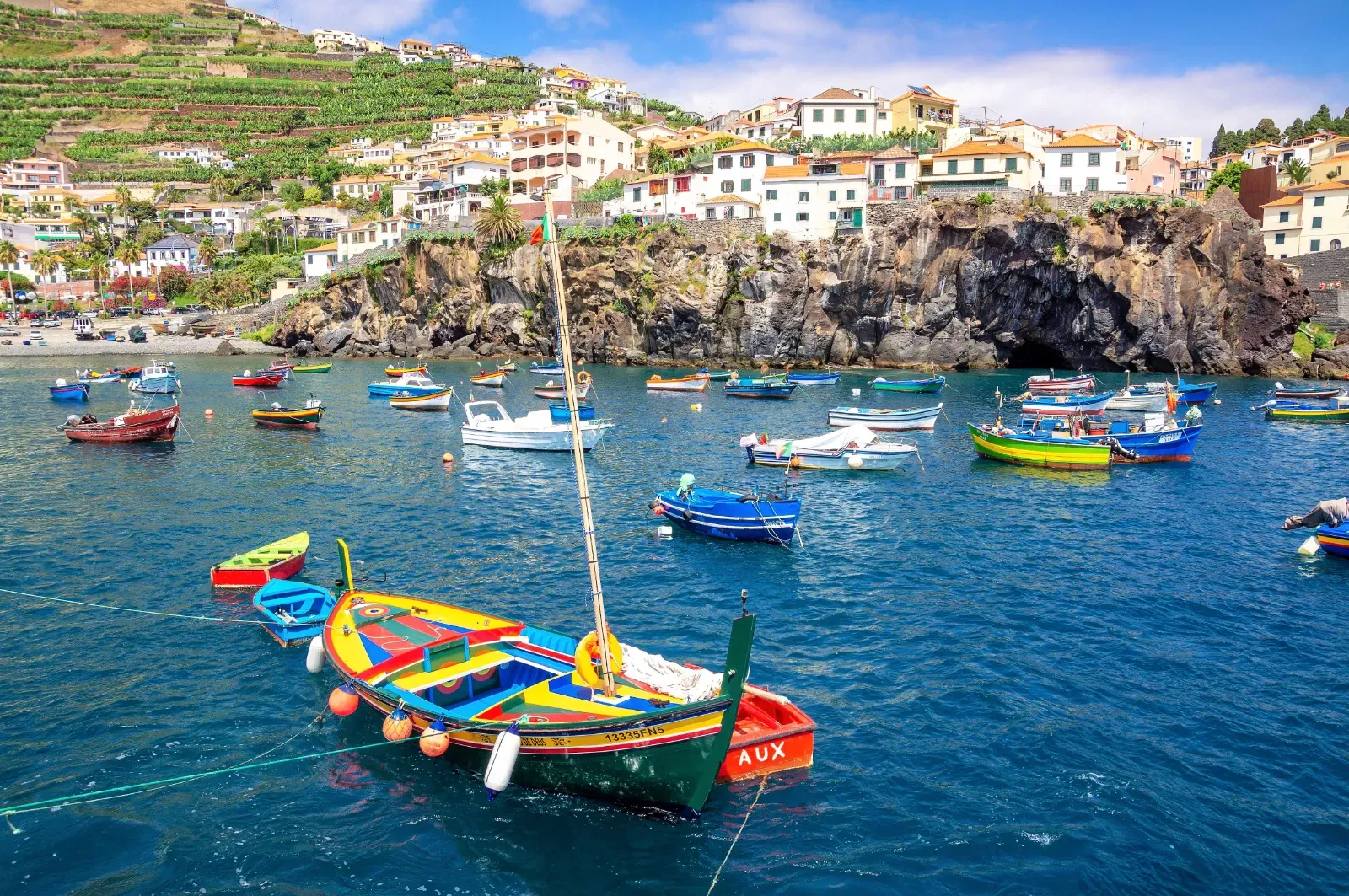 Câmara de Lobos
A colourful fishing port, famous for having been depicted by Winston Churchill, set against the backdrop of Madeira’s terraced vineyards.
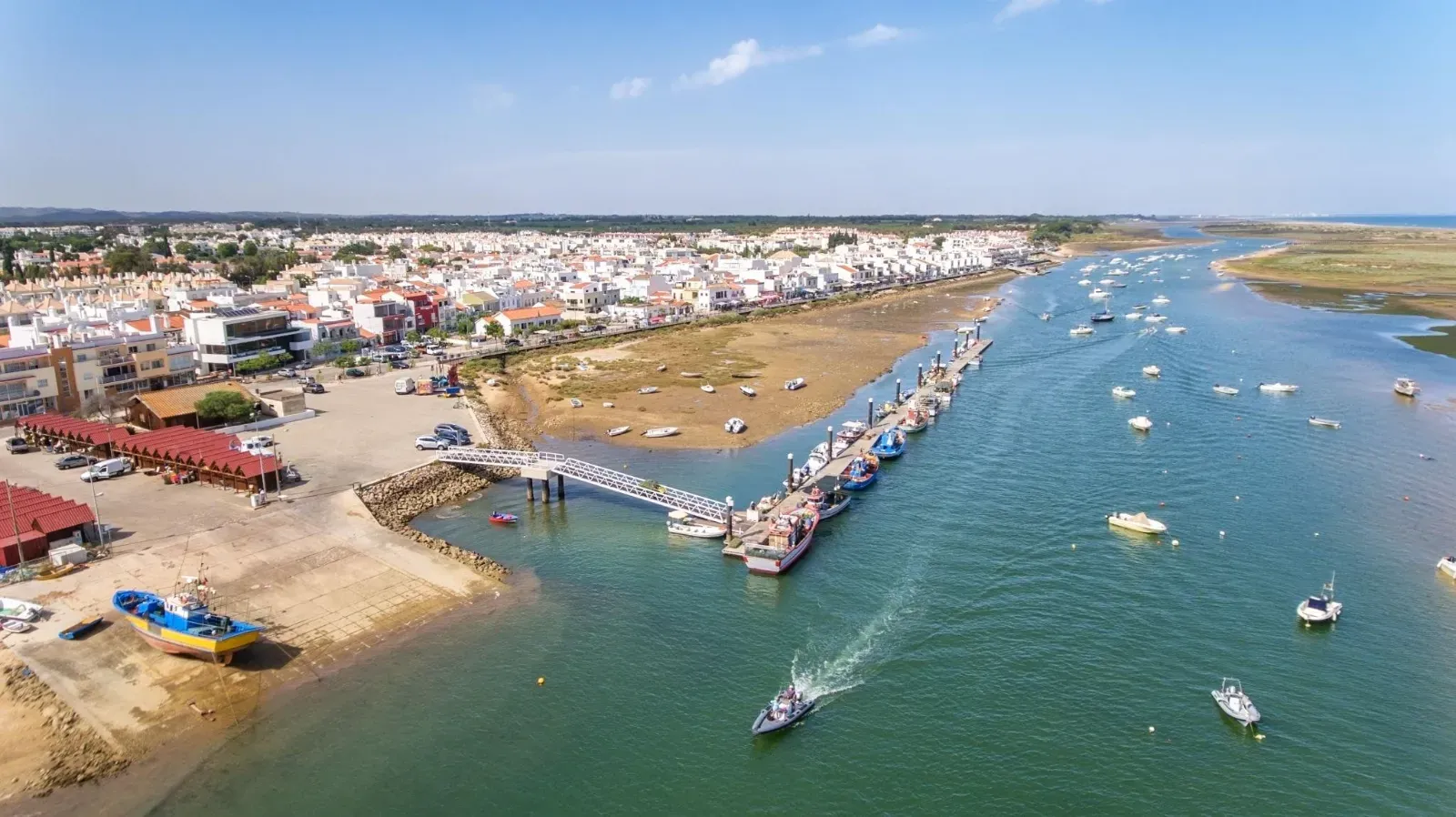 Cabanas de Tavira
Founded around tuna-fishing huts in 1734, Cabanas de Tavira overlooks the Ria Formosa lagoon.
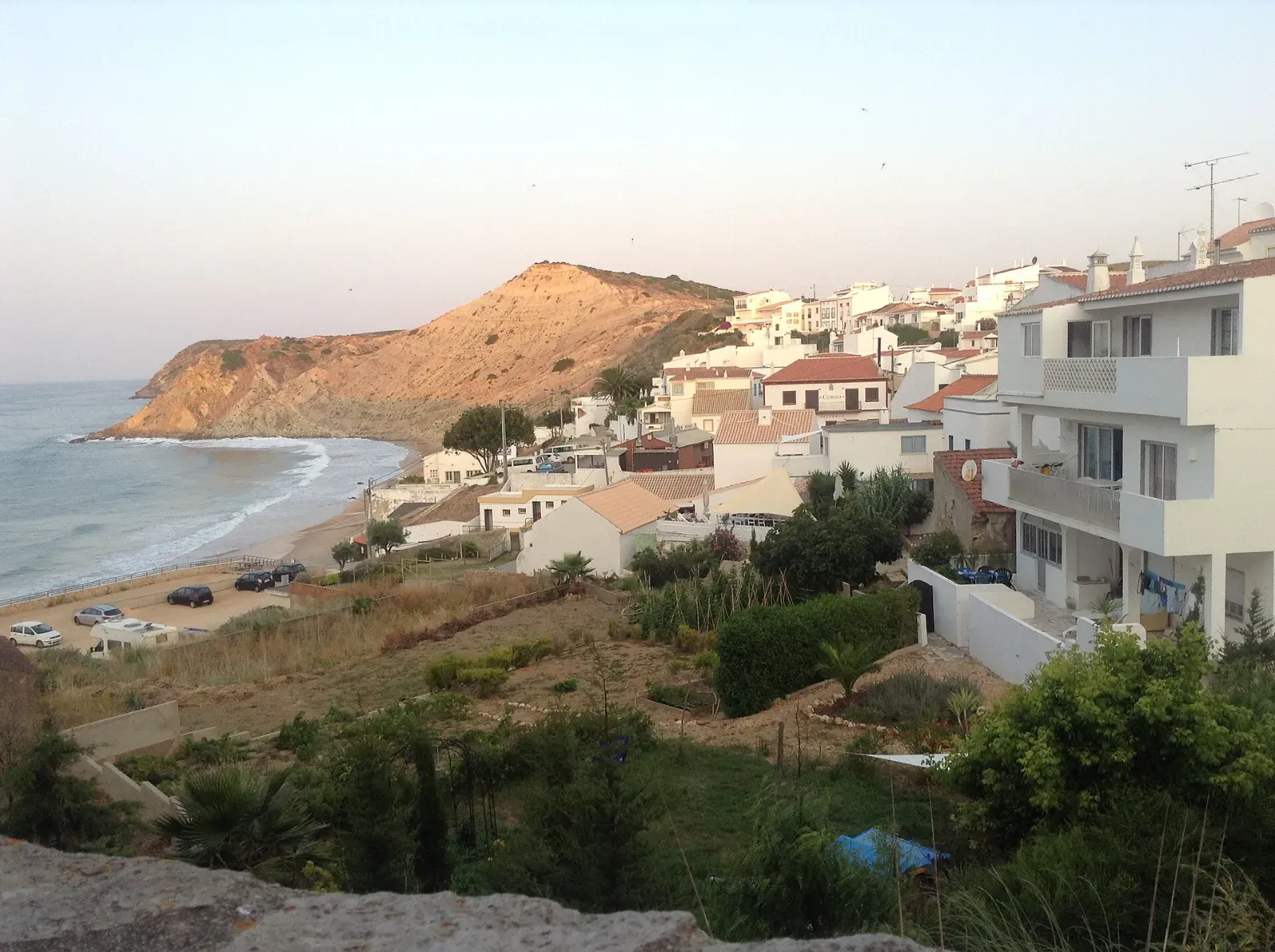 Burgau
A traditional Algarve fishing village where whitewashed streets descend to a sheltered sandy bay.
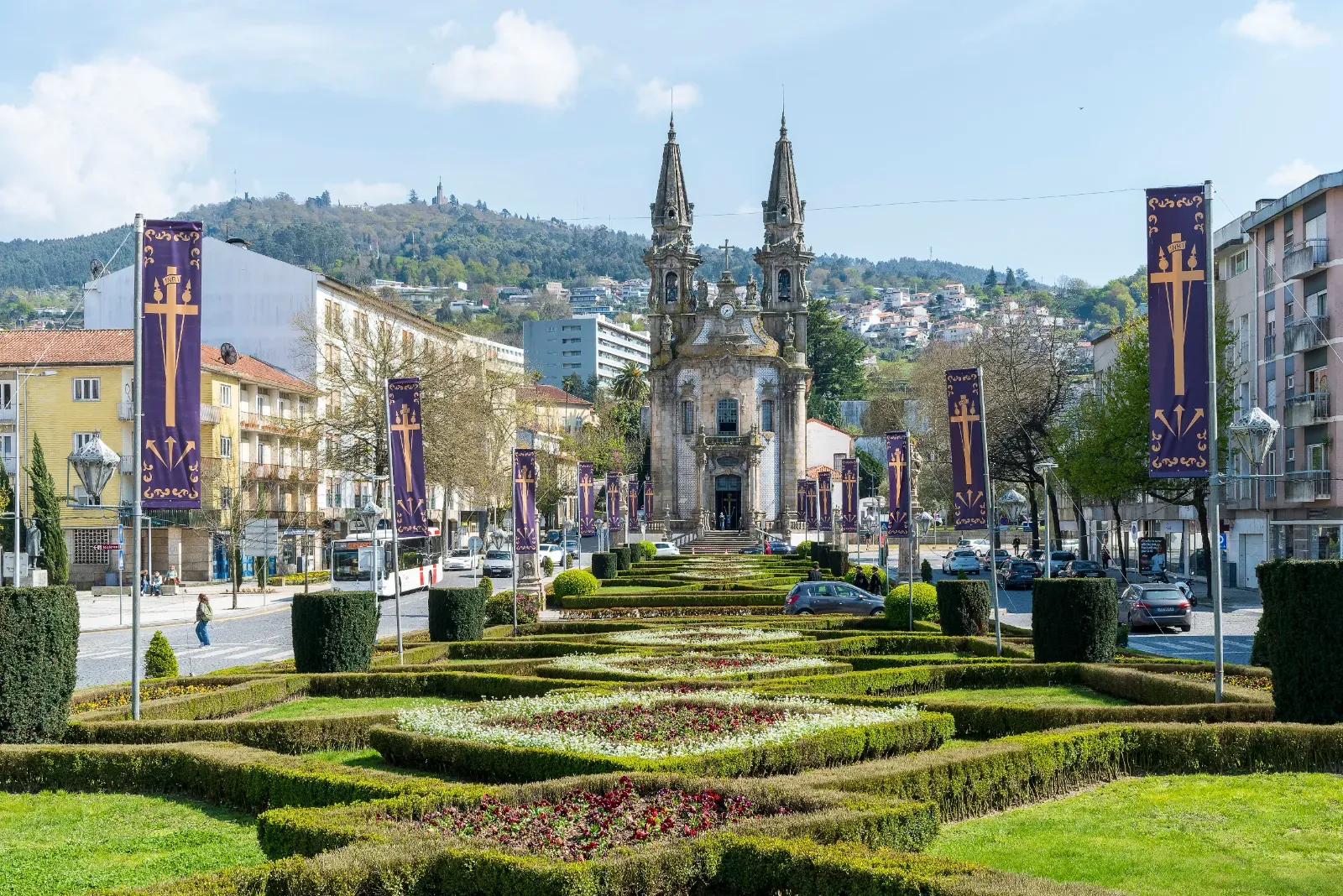 Braga
Known as Portugal's City of Archbishops, Braga blends centuries of religious heritage with modern city life.
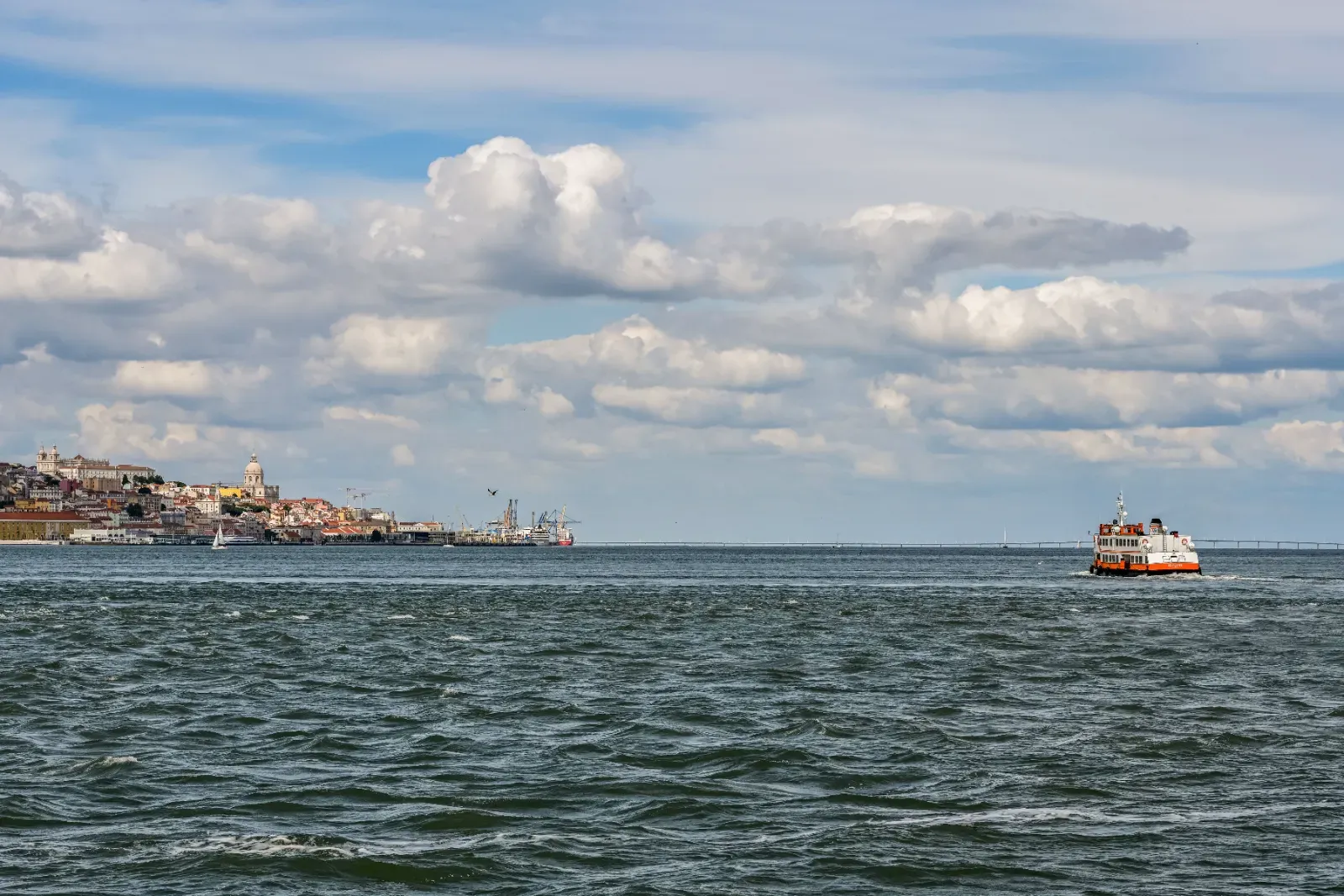 Barreiro
Home to Alburrica's three historic windmills, built in 1852 along the Tagus waterfront.
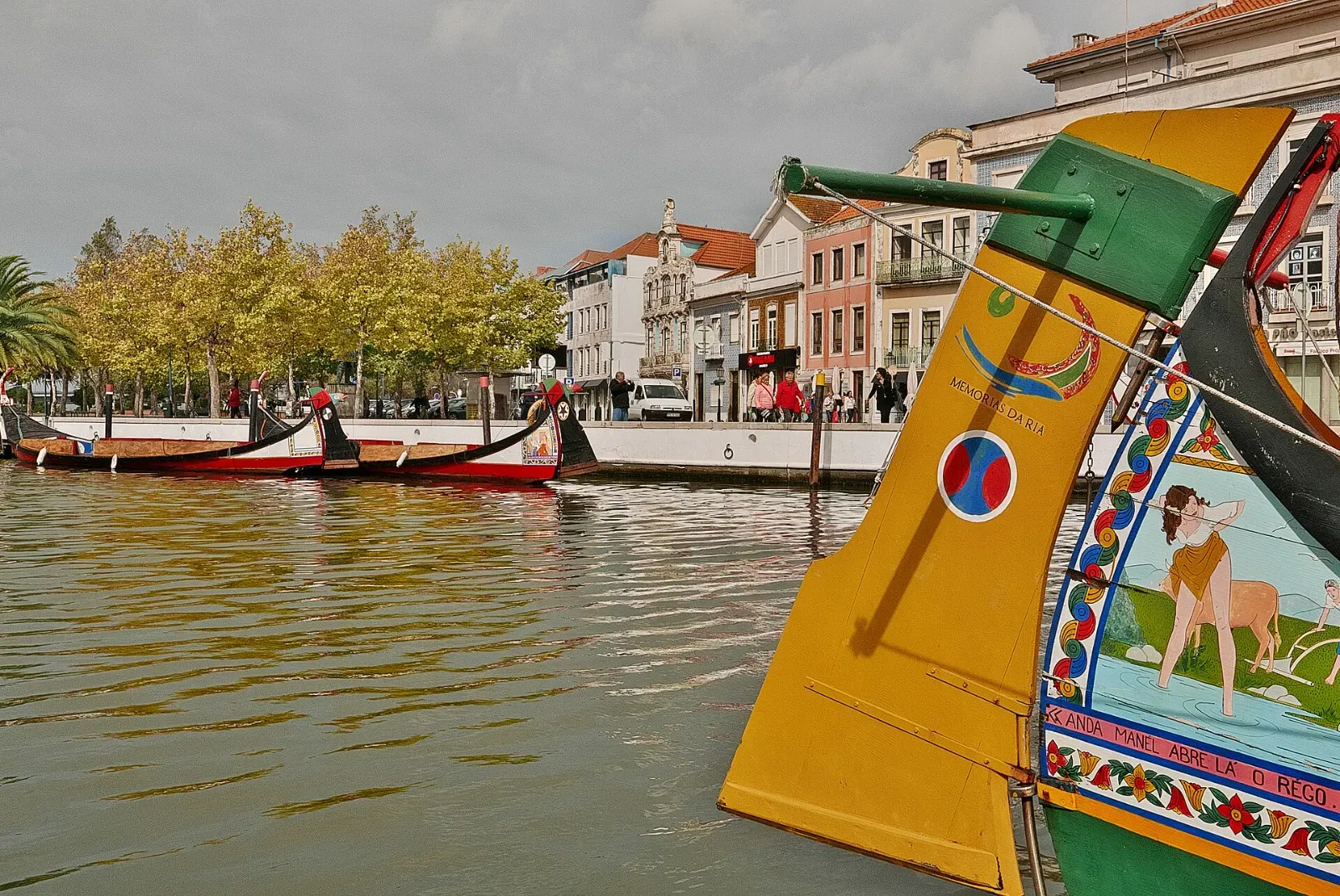 Aveiro
Famous for its colourful moliceiro boats, Art Nouveau architecture and historic salt pans.
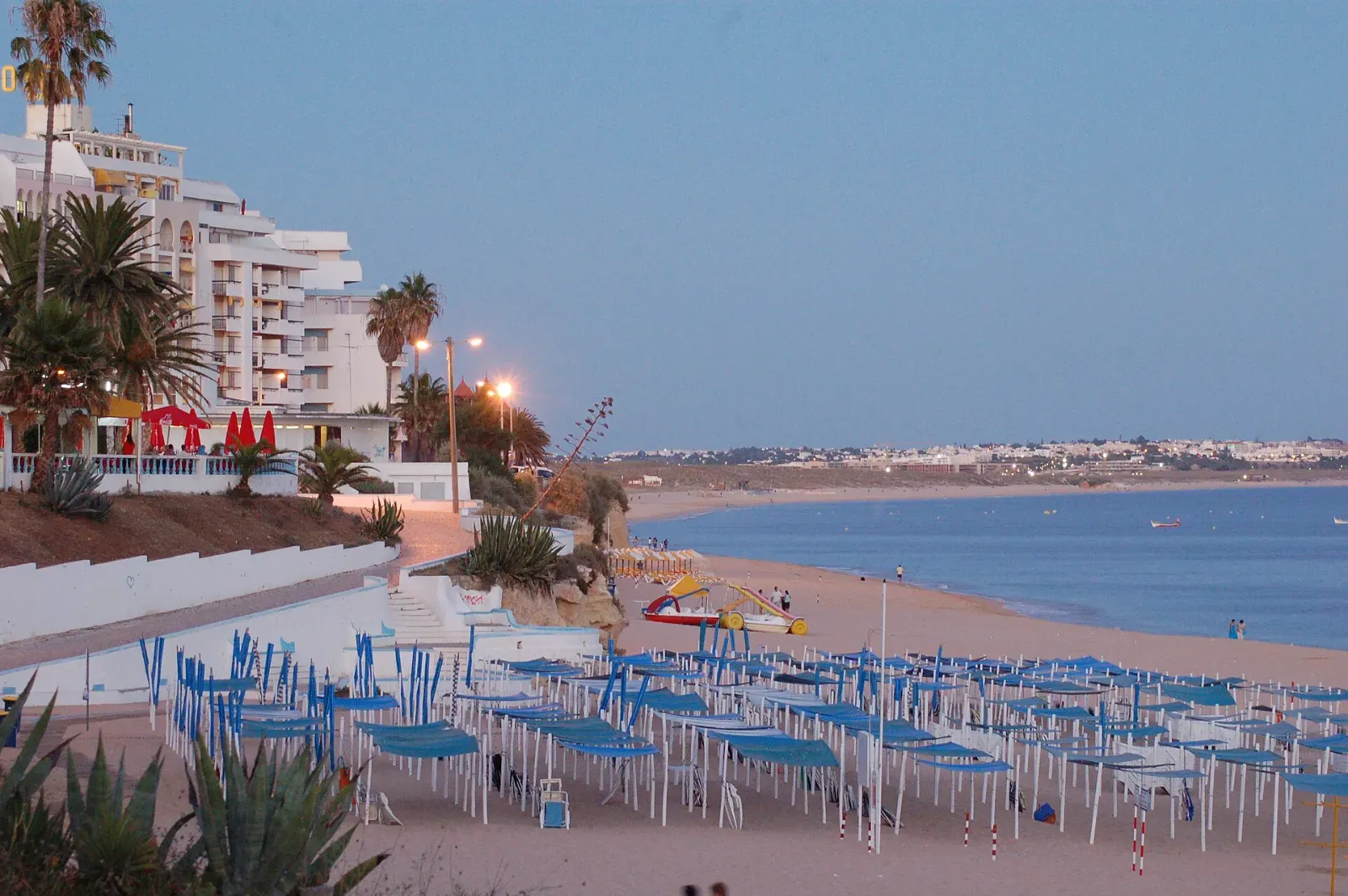 Armação de Pêra
Named after centuries-old tuna-fishing traps, Armação de Pêra retains its maritime heritage.
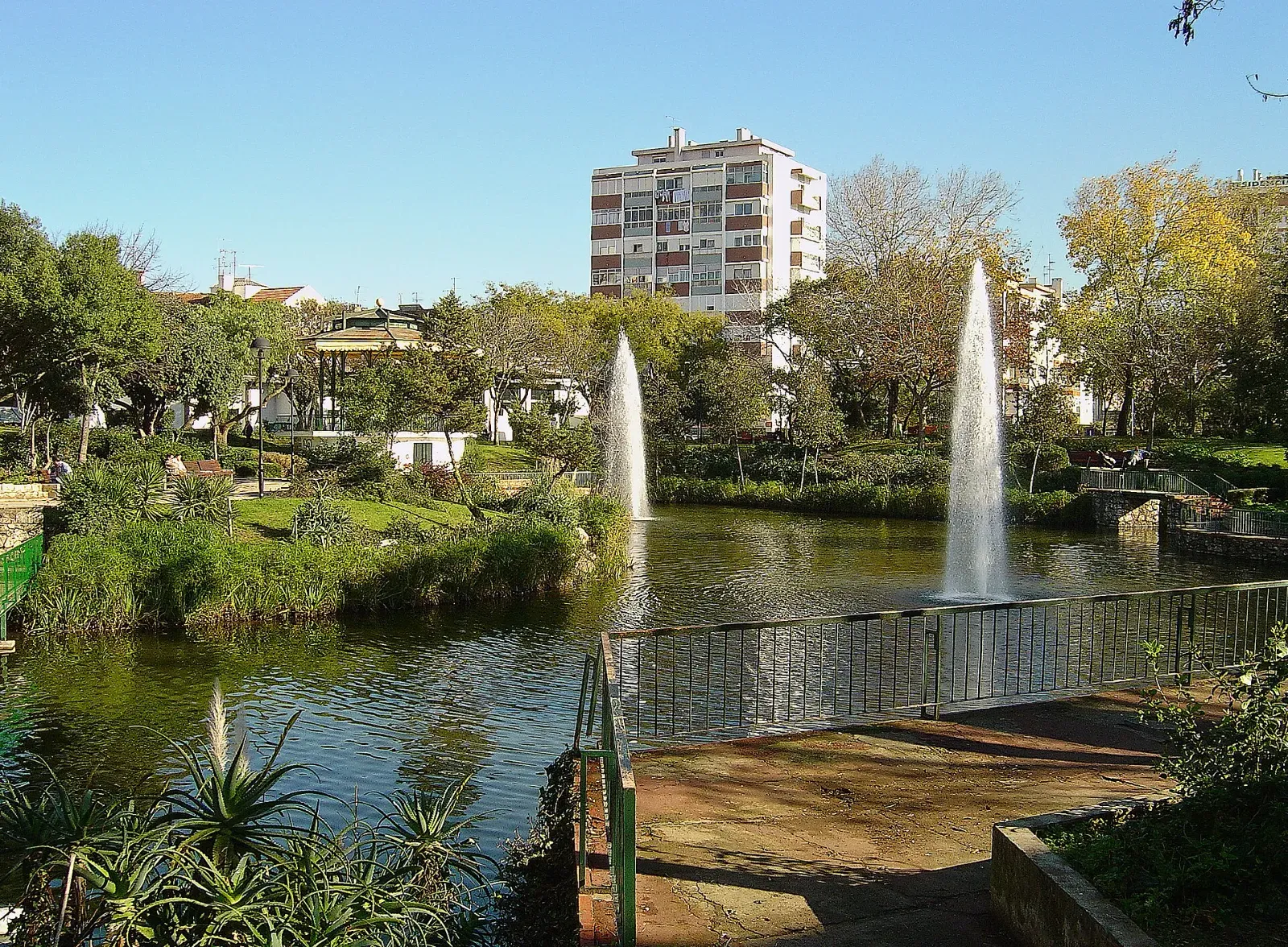 Amadora
Just northwest of Lisbon, Amadora combines multicultural neighbourhoods with direct rail and Metro connections.
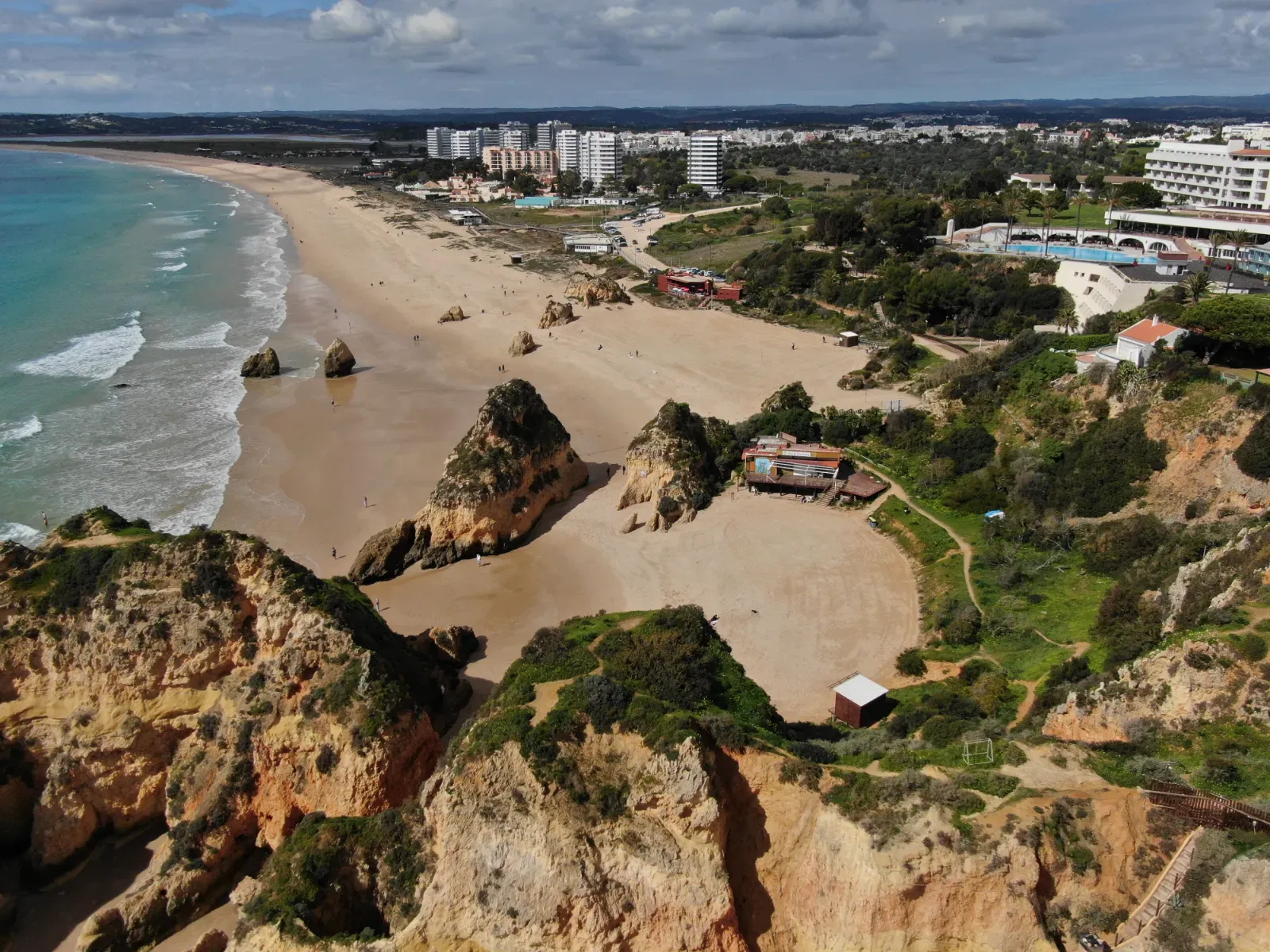 Alvor
A historic Algarve fishing village beside the Ria de Alvor estuary and sweeping Atlantic sands.
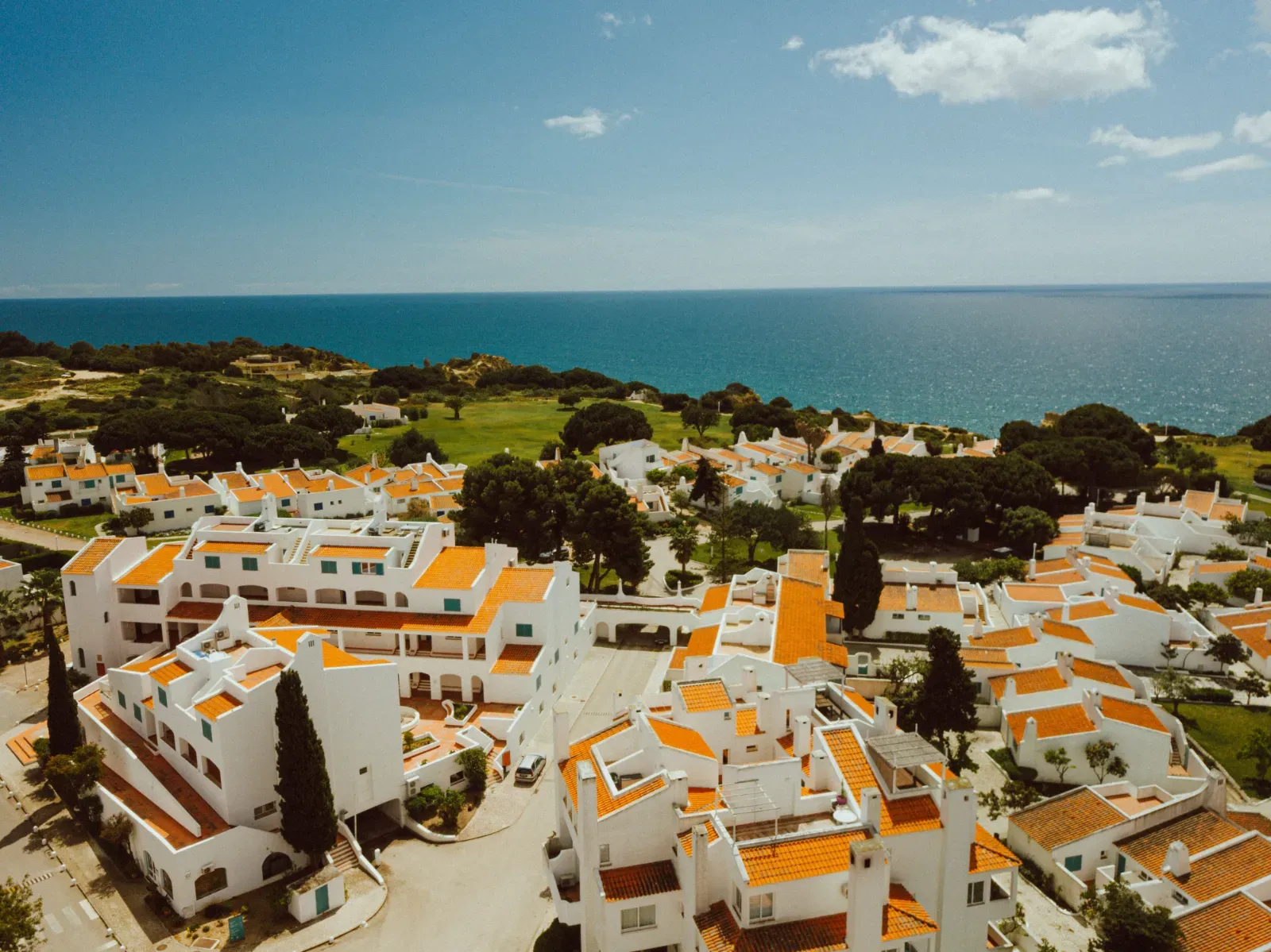 Almancil
 is home to the azulejo-covered Church of São Lourenço, near the Algarve's Golden Triangle.
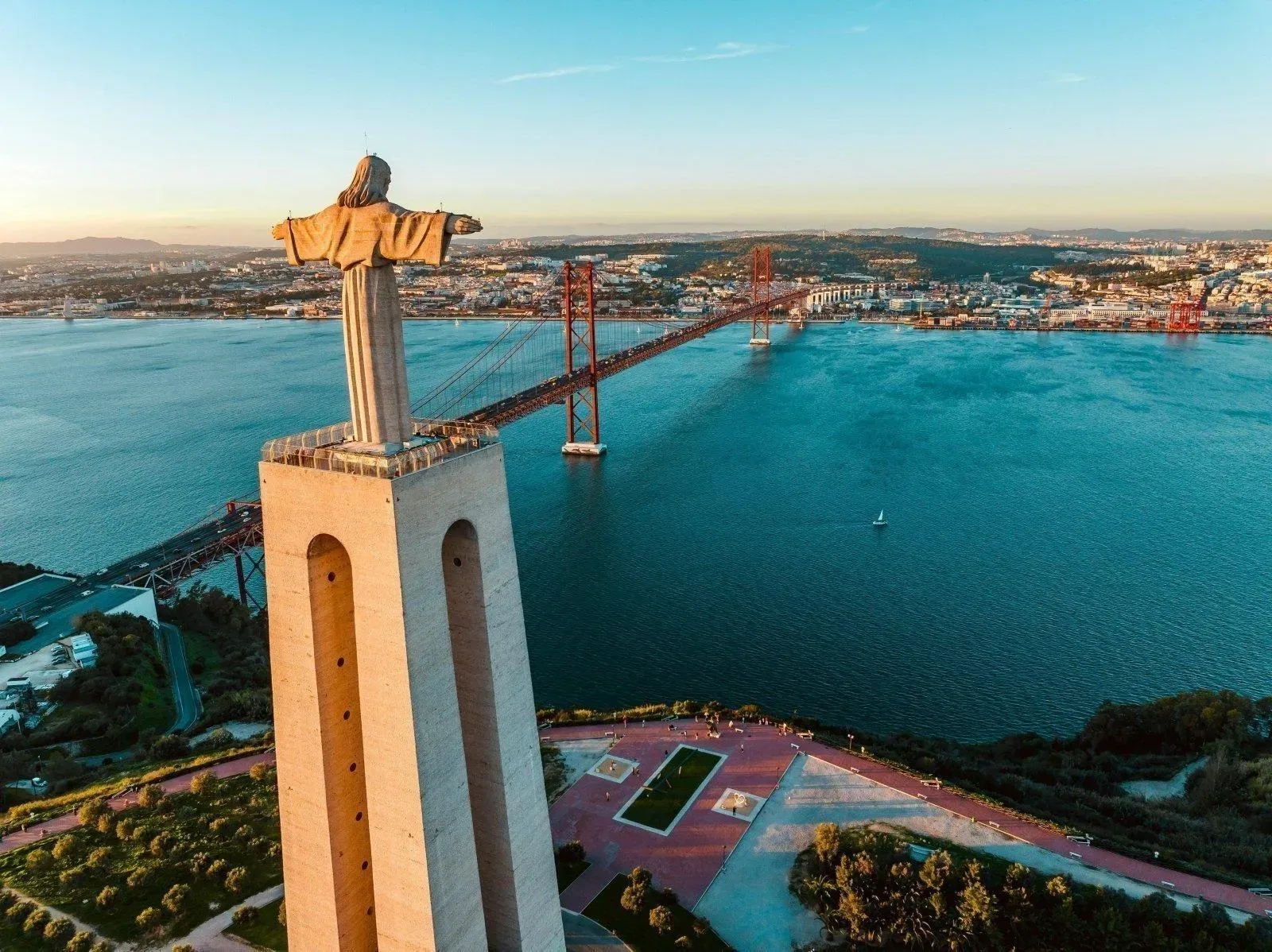 Almada
Home to the iconic Cristo Rei monument, inaugurated in 1959, and Costa da Caparica's beaches.
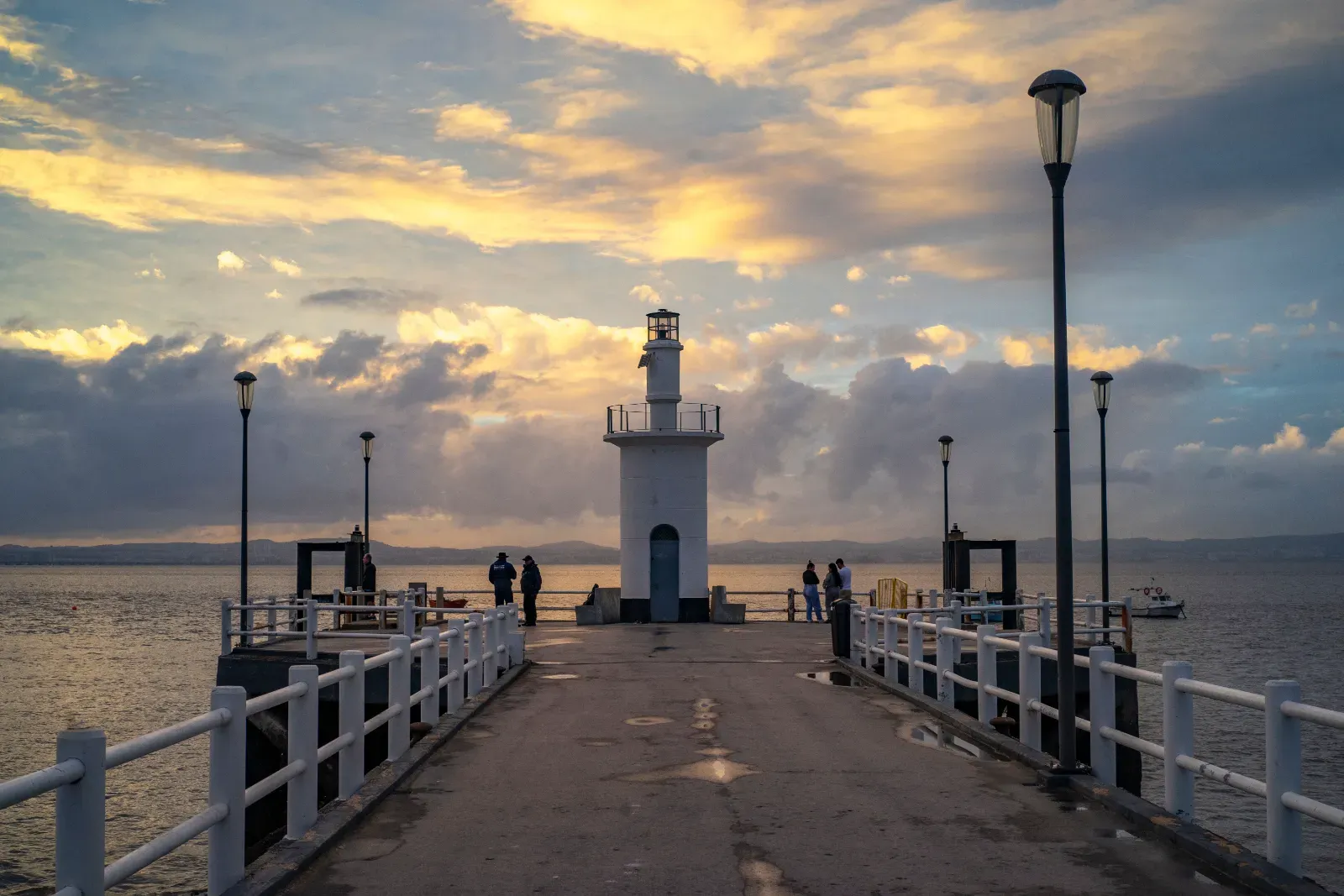 Alcochete
Once a major salt-producing town, Alcochete is known for its Tagus waterfront and flamingos.
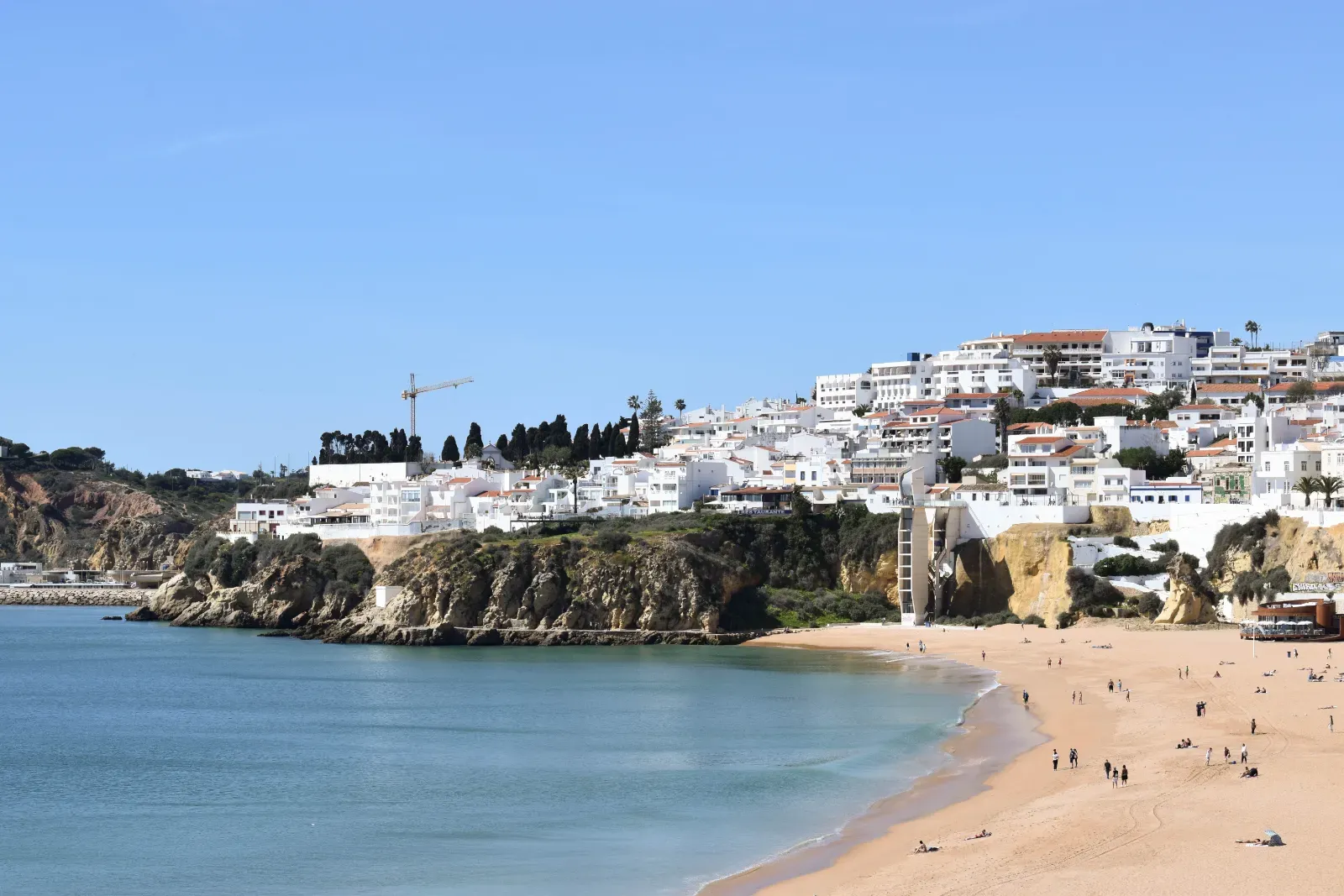 Albufeira
Golden beaches, a lively marina and coastal living in the heart of the Algarve.
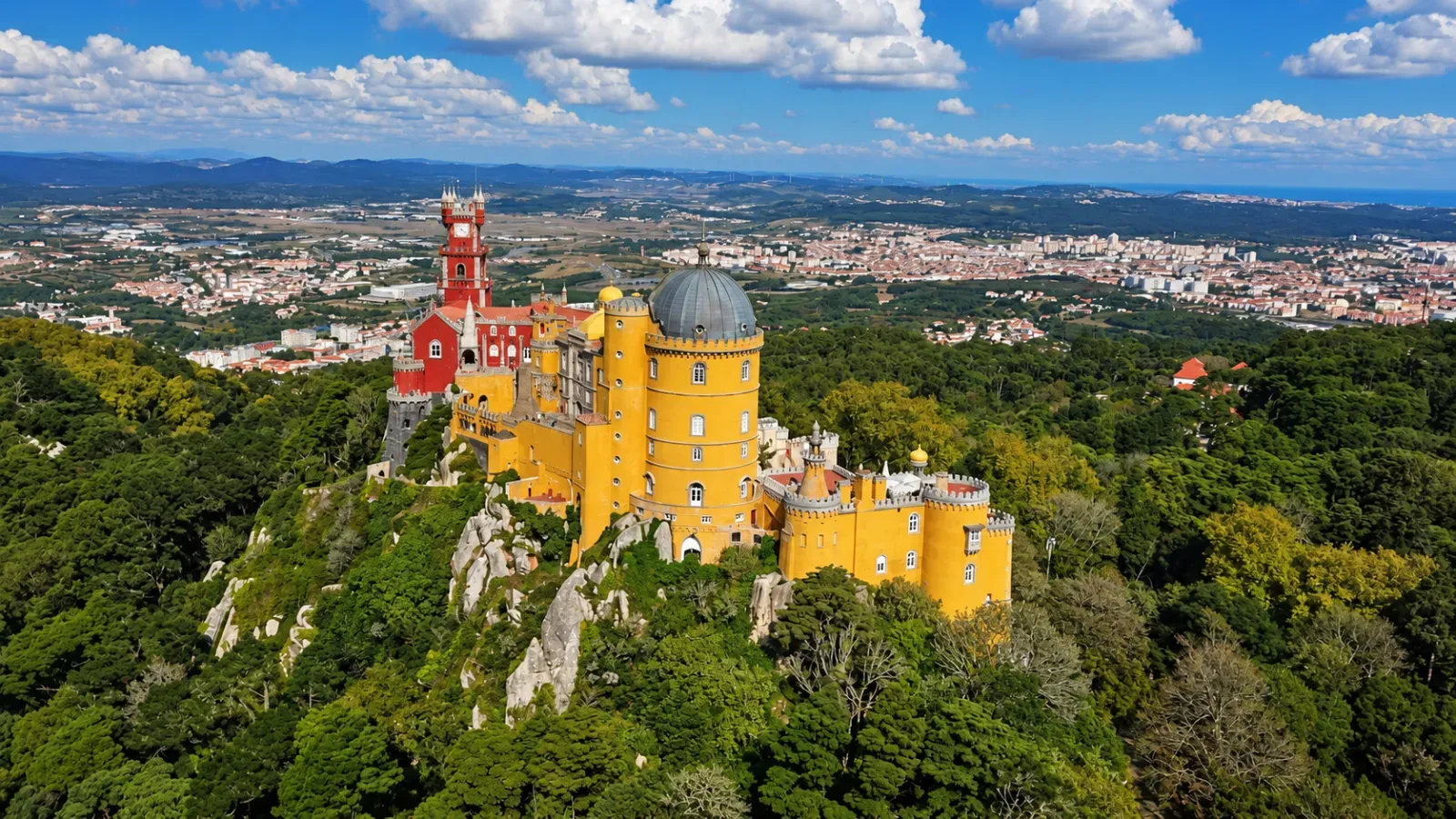 Sintra
A UNESCO World Heritage landscape since 1995, with fairytale palaces and lush forests.
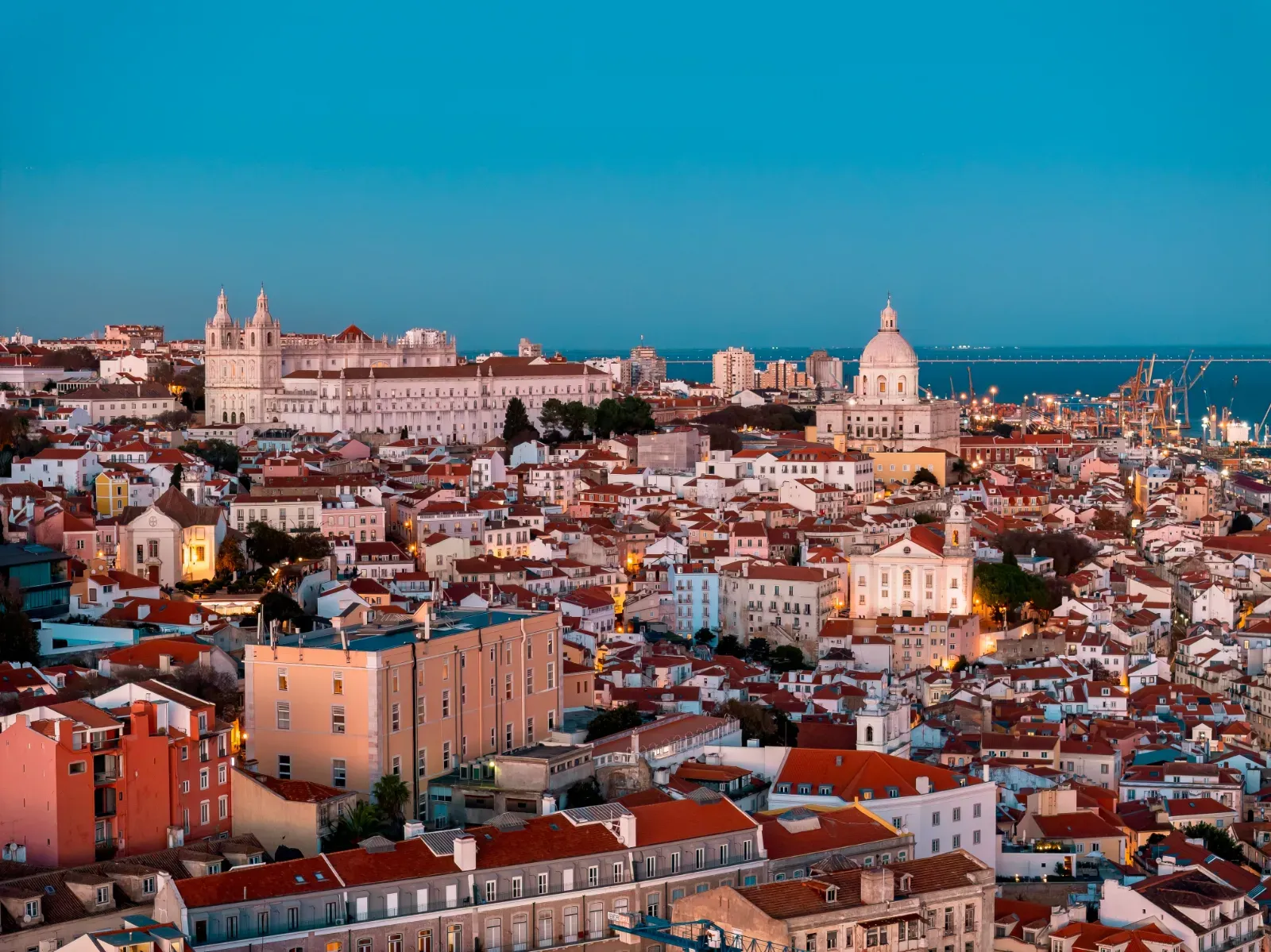 Lisboa
Lisbon's iconic yellow trams wind through historic hills above the Tagus River.
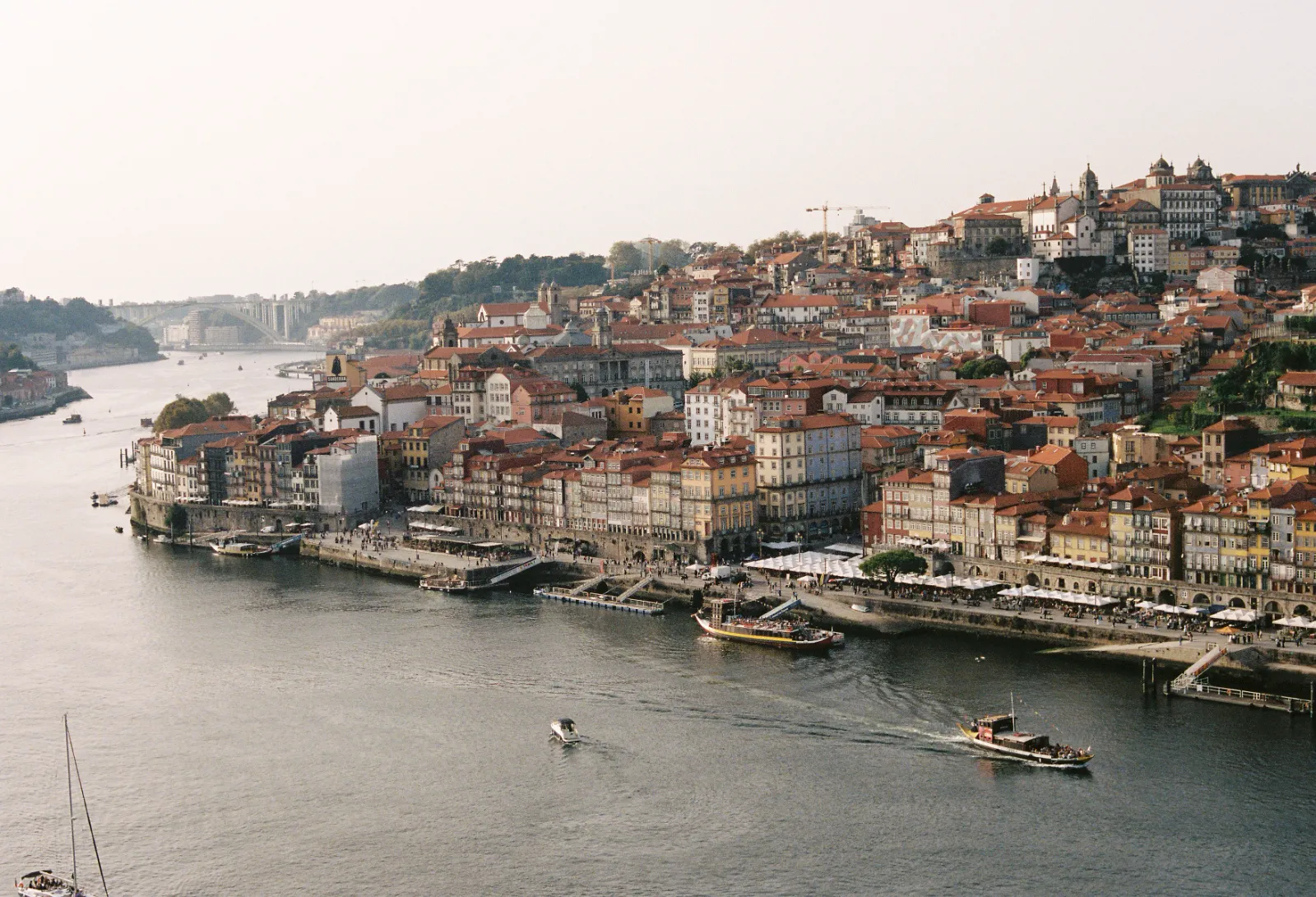 Porto
Porto's UNESCO-listed historic centre overlooks the Douro, where centuries of trade shaped the city's identity.
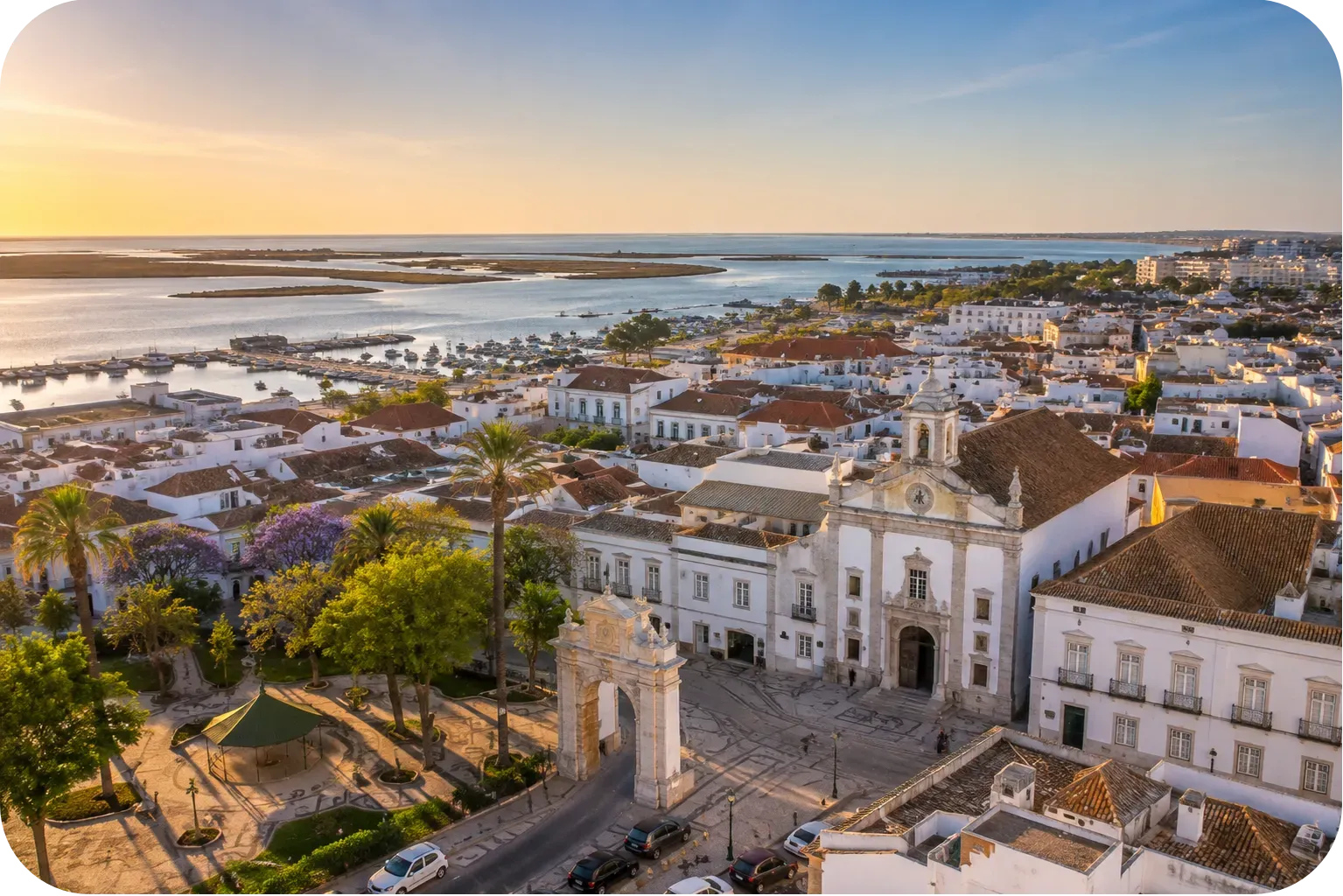 Faro
Faro is home to the Algarve's international airport and a historic old town beside the Ria Formosa.