

Your guide to Moving, Living, Buying & Investing in Lisbon
Lisbon is Portugal's capital and one of its most established property markets, combining historic neighbourhoods, international business connections and a distinctive riverside setting. From the elegant streets of Chiado and Príncipe Real to the modern waterfront developments of Parque das Nações, the city offers a wide variety of homes and lifestyles. Property asking prices averaged approximately ~€5,900 to €6,100 per m² in mid-2026, reflecting Lisbon's position at the premium end of the Portuguese market.
Unlike seasonal coastal destinations, Lisbon offers a lively year-round environment supported by employment opportunities, universities, international schools, healthcare and extensive public transport. The city's regeneration areas, particularly Marvila and Beato, are attracting new residential development, while established neighbourhoods continue to appeal to families, professionals and international buyers. With Atlantic beaches accessible beyond the city and Lisbon International Airport close to the centre, the capital combines urban convenience with an outdoor lifestyle.
Lisbon Property Market
Premium, highly active urban market
Drive to the Airport
~15 to 30 minutes from central Lisbon
Average Property Price in Lisbon
~€5,900 to €6,100 per m²
Pace of Life in Lisbon
Vibrant and cosmopolitan
Closest Airport to Lisbon
Lisbon Humberto Delgado International Airport
Cost of Living in Lisbon
High by Portuguese standards
Lisbon Climate
Mediterranean climate with warm, dry summers and mild, wetter winters
Lisbon Population
~545,796 (Lisbon municipality)
Region of Portugal
Lisbon
Is Lisbon a good place to live?
Lisbon offers an appealing combination of career opportunities, culture, international services and access to the coast. Its diverse neighbourhoods range from lively historic streets to quieter residential districts, allowing residents to choose between an energetic city lifestyle and a more relaxed family environment. Excellent transport connections, universities and healthcare make it particularly attractive for people seeking a permanent base in Portugal.
What are the pros of living in Lisbon
- Direct international flight connections
- Extensive metro, tram, train and ferry networks
- Leading universities and international schools
- Established public and private hospitals
- Atlantic beaches within easy reach of the capital
- Waterfront regeneration projects in Marvila and Beato
- Riverside promenades, parks and outdoor recreation areas
What are the cons of living in Lisbon
- Higher housing costs than most Portuguese cities
- Busy tourist areas throughout the year
- Steep streets in some historic neighbourhoods
- Traffic congestion during peak hours
- Limited parking in older residential districts
Who enjoys living in Lisbon?
Professionals, international families, entrepreneurs, digital nomads, students and buyers who value urban amenities, cultural variety and a year-round residential environment.
Why do so many people choose Lisbon to live?
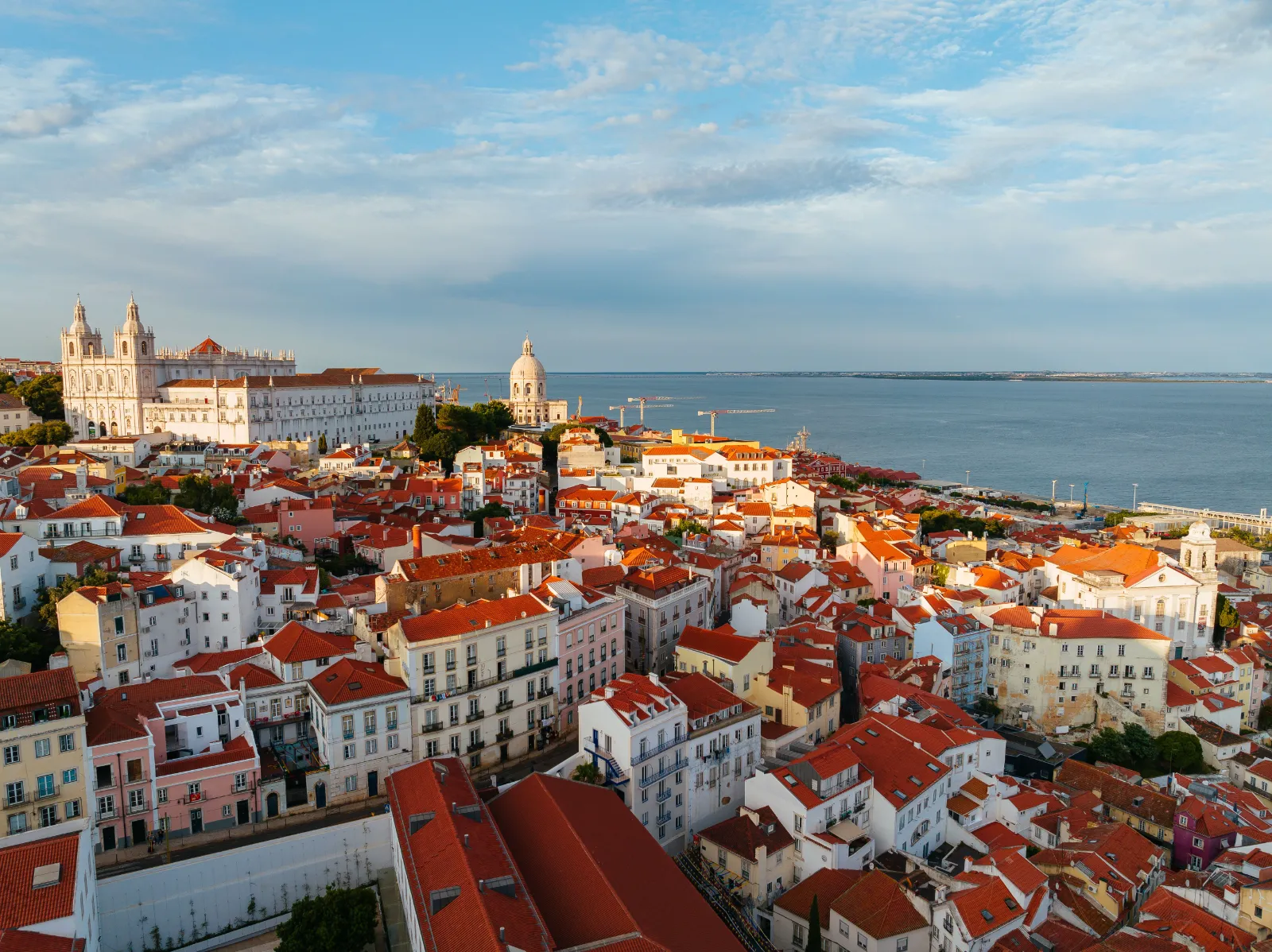
Lisbon attracts residents with its combination of historic character, international opportunities and everyday convenience. It is a city where traditional cafés, local markets and centuries-old architecture coexist with contemporary workplaces, creative districts and modern residential developments. Residents benefit from a broad choice of neighbourhoods, established services and access to both the Tagus waterfront and nearby Atlantic beaches.
Lisbon also benefits from:
- ·Direct international flight connections
- ·Extensive metro, tram, train and ferry networks
- ·Leading universities and international schools
- ·Established public and private hospitals
- ·Atlantic beaches within easy reach of the capital
- ·Waterfront regeneration projects in Marvila and Beato
- ·Riverside promenades, parks and outdoor recreation areas
From historic streets to modern riverside neighbourhoods, Lisbon combines the character of Portugal's capital with the opportunities of a thriving European city.
Neighbourhoods nearby Lisbon
Parque das Nações
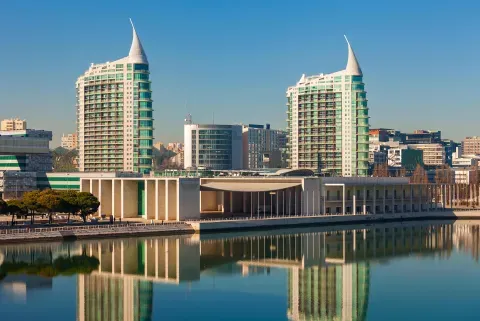
Built for Expo 98 on former industrial land, Parque das Nações is Lisboa's most planned neighbourhood: wide pavements, a flat riverside promenade, the Oceanário, a shopping centre and a big park. The Oriente station puts metro, national and regional trains and buses in one place, which is unusual for the city. It feels calmer and more orderly than the historic centre, and it is one of the few areas where new-build is still a normal thing to buy. The trade-off is character: it is modern and residential, and it lacks the layered street life of the old neighbourhoods.
- Best suited for:
- Families, professionals who fly often, buyers who want a lift, parking and level streets
- Property styles:
- Modern apartments in mid- and high-rise blocks, with river or park views
- Price range:
- ~€6,500–€8,500/m²
River views and proximity to the marina, Oriente station and the airport can make a noticeable difference to a property's appeal and value. The area is also particularly well suited to families, with parks, schools and plenty of pedestrian space.
Alcântara
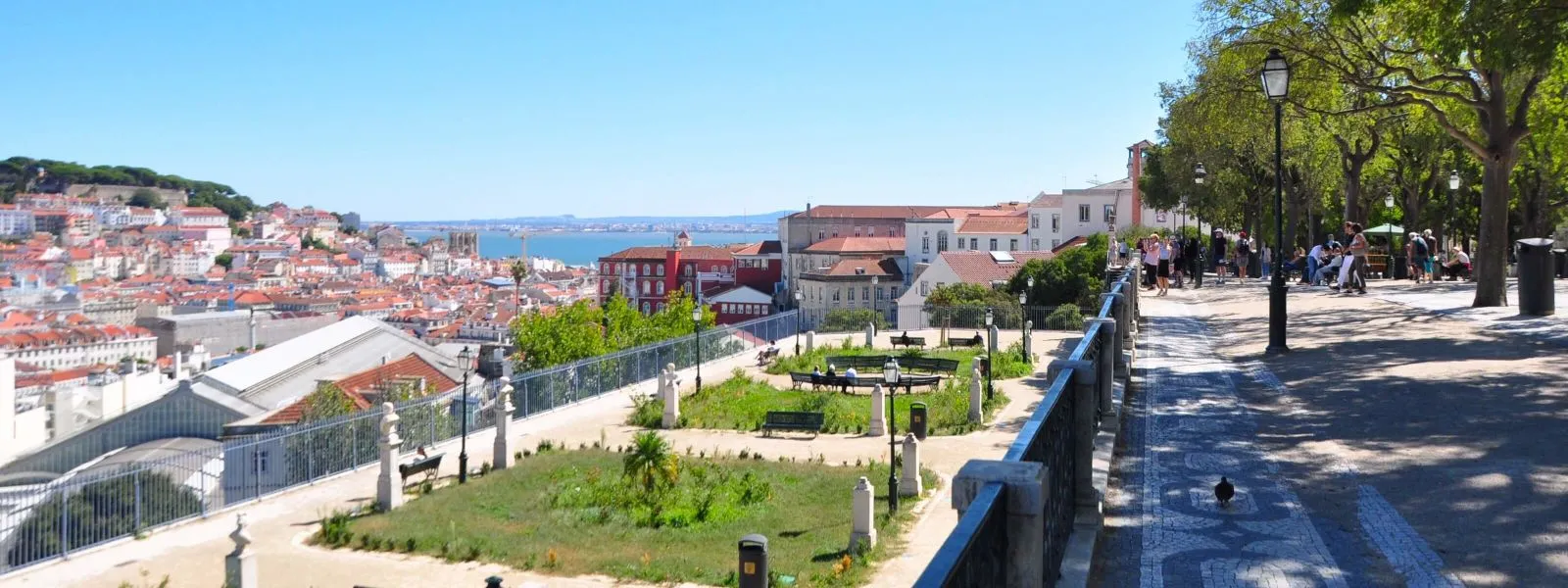
Alcântara is a former industrial and port district under the 25 de Abril Bridge, now known for LX Factory, a complex of converted warehouses with restaurants, studios and a weekend market. It sits between the river and the hills of Estrela and Campo de Ourique, and it has been redeveloping steadily. It is one of the districts where new residential schemes are being built, often on old industrial plots. It is a working neighbourhood in transition, so you will find cranes, a container terminal and gentrification side by side.
- Best suited for:
- Creative professionals, buyers who want river access and a city location that is less central than Baixa
- Property styles:
- New-build apartments, converted warehouses and lofts, older apartment buildings
- Price range:
- ~€5,500–€8,000/m²
Alcântara's creative atmosphere, riverside setting and cultural landmarks, including LX Factory, give the neighbourhood a distinctive character. Its mix of historic architecture and contemporary spaces makes it an appealing part of Lisbon.
Beato
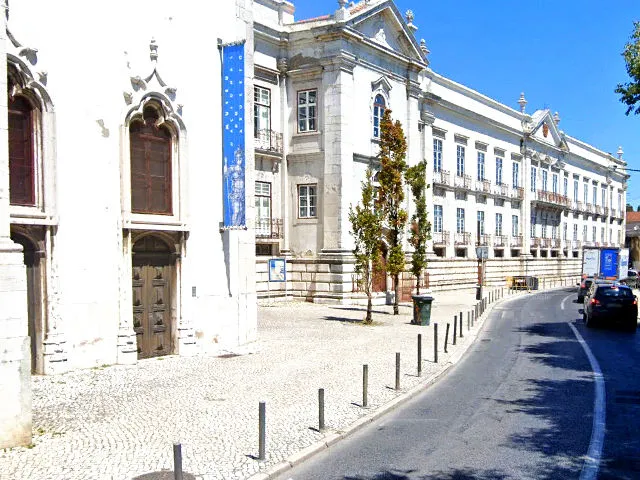
Beato is on Lisboa's eastern riverfront, a former industrial and convent district that has been turning into a hub for startups, studios and cafés. The old Convento do Beato and the creative hub around it anchor the area, and nearby Marvila has its breweries and warehouse venues. It is one of the more affordable areas near the river for city-centre access, and new residential projects are being built here. The flipside is that it is still mid-transformation: some streets are polished and some are not, and construction will be part of daily life for a while.
- Best suited for:
- Younger professionals, creatives, buyers who want to get in early on a district still changing
- Property styles:
- New-build apartments, converted industrial buildings, older low-rise flats
- Price range:
- ~€4,600 to €5,100 per m²
Beato's Innovation District brings together creative industries, technology companies and cultural spaces, adding a contemporary dimension to the neighbourhood's industrial heritage and growing residential appeal.
Avenidas Novas
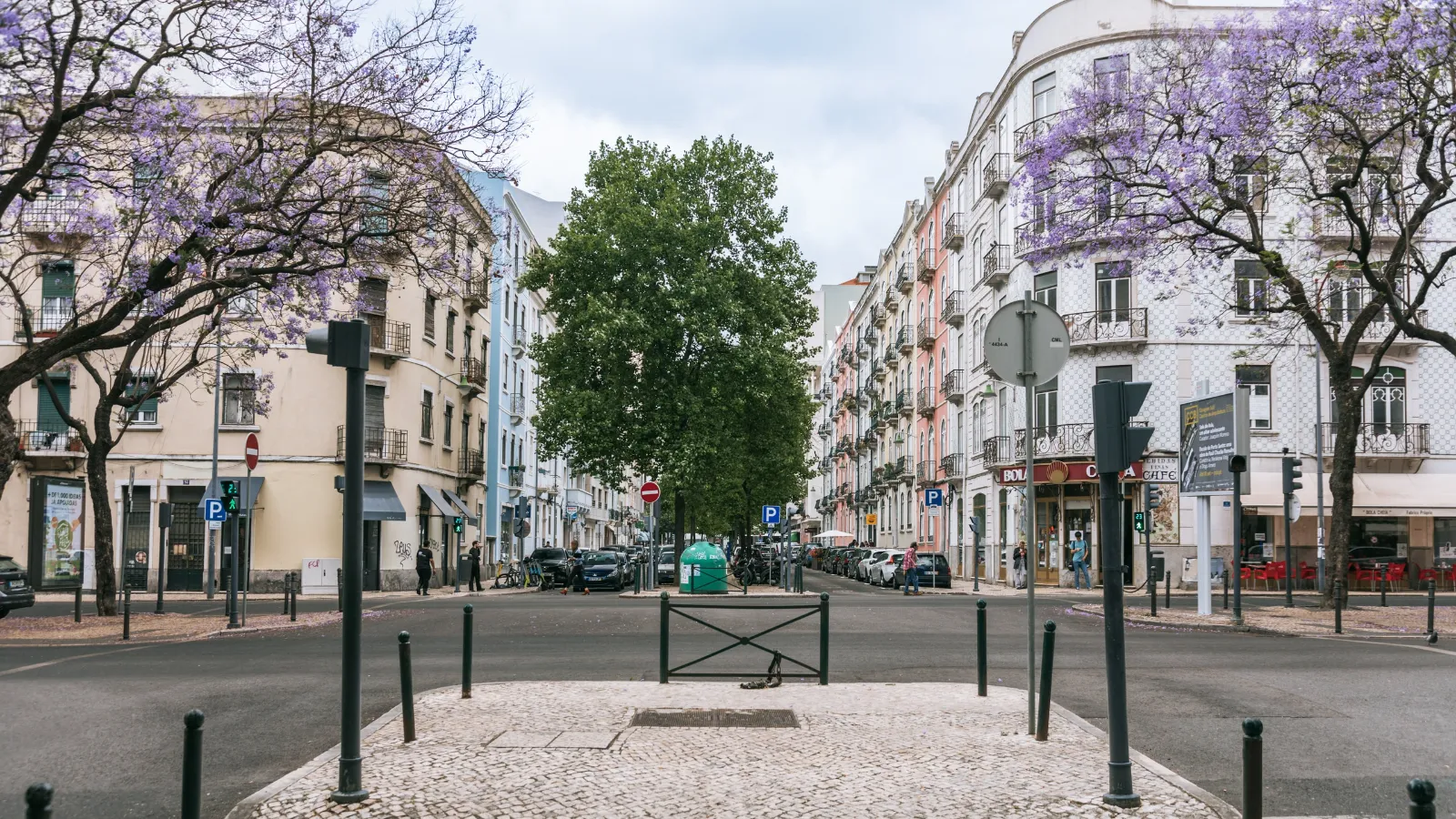
Avenidas Novas is the grid of broad avenues north of Marquês de Pombal, centred on Saldanha and Avenida da República. It is Lisboa's main office district, with the Gulbenkian Foundation, the Campo Pequeno bullring and several metro lines all within reach. It is practical rather than picturesque: mostly early- and mid-twentieth-century apartment blocks, plus modern developments on infill sites. If you work in the city and want to walk to the office and the metro, few places are better placed.
- Best suited for:
- Professionals, couples, buyers who want metro access, shops and offices on the doorstep
- Property styles:
- Early and mid-twentieth-century apartments, renovated flats, modern infill developments
- Price range:
- ~€6,100 to €7,700 per m²
Avenidas Novas has a mix of established residential streets and newer developments, so buyers can find very different types of properties within the same neighbourhood. Buildings close to Avenida da República and Saldanha offer particularly convenient access to public transport, while quieter side streets can provide a more residential feel.
Campo de Ourique
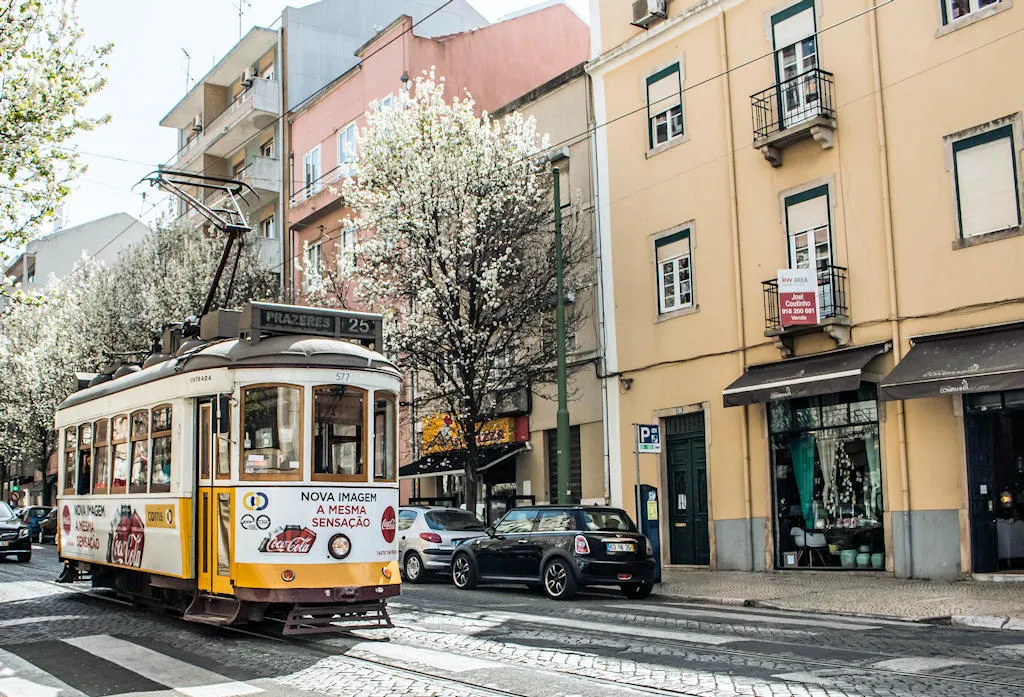
Campo de Ourique is a compact residential neighbourhood west of the centre, laid out on a grid, with its own covered market, bakeries, small shops and gardens. It feels like a village inside the city, and locals tend to do most of their daily errands without leaving it. The property is mostly early- and mid-twentieth-century apartment blocks, with some renovated buildings and a limited amount of new development. Supply is tight and homes here tend to hold their appeal, particularly for people with children who want a settled, walkable area.
- Best suited for:
- Families, couples, buyers who want a residential feel with shops and cafés on foot
- Property styles:
- Early and mid-twentieth-century apartment blocks, renovated flats, limited new-build
- Price range:
- €5,500–€8,000/m²
Campo de Ourique has a strong local feel, with independent shops, cafés, restaurants and the Mercado de Campo de Ourique all within easy walking distance. It is also relatively self-contained, so buyers often choose it for the neighbourhood atmosphere rather than proximity to major transport hubs.
Lisbon lifestyle score
Amount of Sunshine in Lisbon
Quality of Life in Lisbon
Lisbon Investment Portfolio
Family Friendly
Walkability
Lisbon property market overview
Market Strength in Lisbon
Lisbon has Portugal's highest municipal median property transaction price, reaching ~€5,292 per m² in Q1 2026. Strong demand from domestic and international buyers, combined with limited housing supply in central areas, supports its established market.
Average Property Price in Lisbon
Lisbon's median transaction price reached ~€5,292 per m² in Q1 2026, compared with ~€3,836 per m² across Greater Lisbon. Premium central and riverside neighbourhoods typically command higher prices than areas farther from the city centre.
Lisbon Property Rentals
Lisbon has one of Portugal's strongest rental markets, supported by professionals, students and international residents. Demand is particularly high in well-connected neighbourhoods, while short-term rental opportunities are subject to municipal regulations and location-specific restrictions.
Long Term Growth
Lisbon's role as Portugal's economic centre, international connectivity and ongoing infrastructure improvements support its long-term property outlook. Transport expansion and residential regeneration create opportunities across emerging neighbourhoods, although future price growth will vary by location.
Advantages of Lisbon
- ·Strong property resale demand across established residential districts
- ·Diverse housing stock, from renovated historic apartments to new-build developments
- ·Established long-term rental market supported by professionals and students
- ·Premium property segments attracting domestic and international buyers
- ·Opportunities for residential investment in emerging regeneration areas
- ·Active pre-construction market with developments across several neighbourhoods
Things to consider
- ·Entry prices are the highest in Portugal
- ·Recent price rises may not be repeated
- ·New-build is concentrated outside the historic core
- ·Regeneration areas can take years to settle
- ·Holiday rental rules vary by address
- ·Older buildings often lack lifts and air conditioning
Is Lisbon a good investment?
Lisboa has the strongest fundamentals of any Portuguese city: a large economy, constrained supply, consistent international demand and a record of price growth. That is why it scores 95 on our investment dial. The counterpoints matter as much. Entry prices are already high, recent growth may not continue, and any holiday rental income depends on the specific address, because regulation moved to the municipalities under Decreto-Lei 76/2024. This is not investment advice.
This overview is general market information rather than investment advice.
Portugal cost of living comparison
Lisbon is generally more expensive than other Portuguese cities, particularly for housing, but offers extensive public services, employment opportunities and transport connections. Day-to-day expenses vary significantly depending on neighbourhood, household size and lifestyle.
Lisbon's higher living costs are balanced by the convenience, employment opportunities and amenities of a major European capital.
Is Lisbon safe?
Lisbon is generally a safe city, particularly by European capital standards. The main everyday concern is petty crime, especially pickpocketing in crowded tourist areas and on public transport. Serious violent crime is less common, although, as in any major city, some areas can feel less comfortable late at night.
Schools near Lisbon
Lisboa has a range of international schools, and the right one depends on your child's home language and the curriculum you want to continue
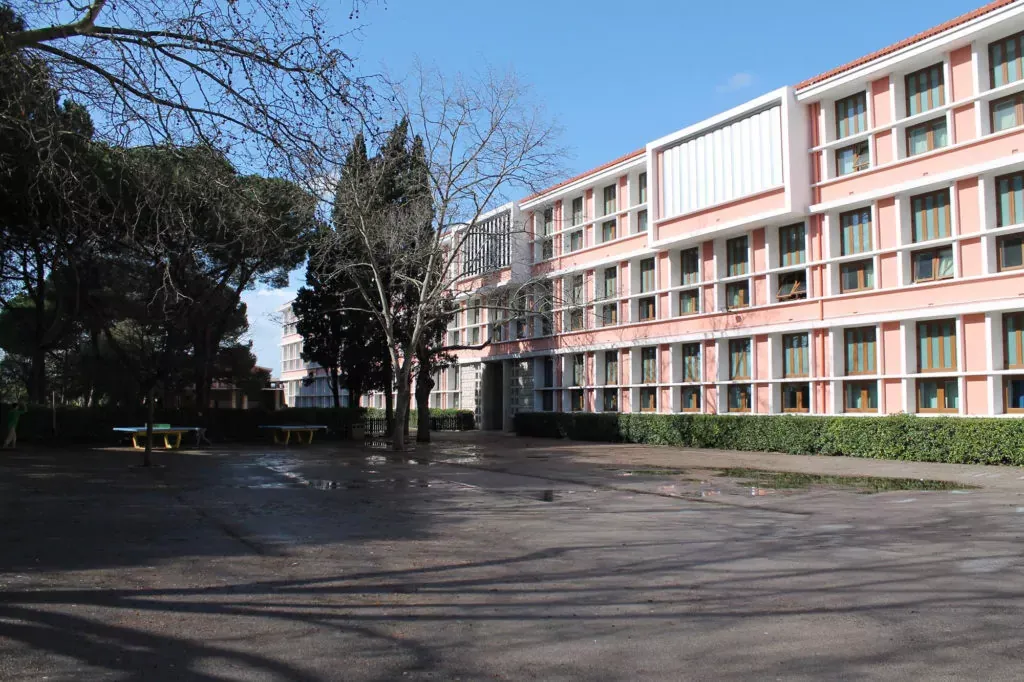
Lycée Français Charles Lepierre
French national curriculum
3 to 18
French, with Portuguese and English taught

Carlucci American International School of Lisbon (CAISL)
American curriculum, with the IB Diploma
3 to 18
English
Linda-a-Velha, Oeiras, around 20 minutes by car from central Lisboa
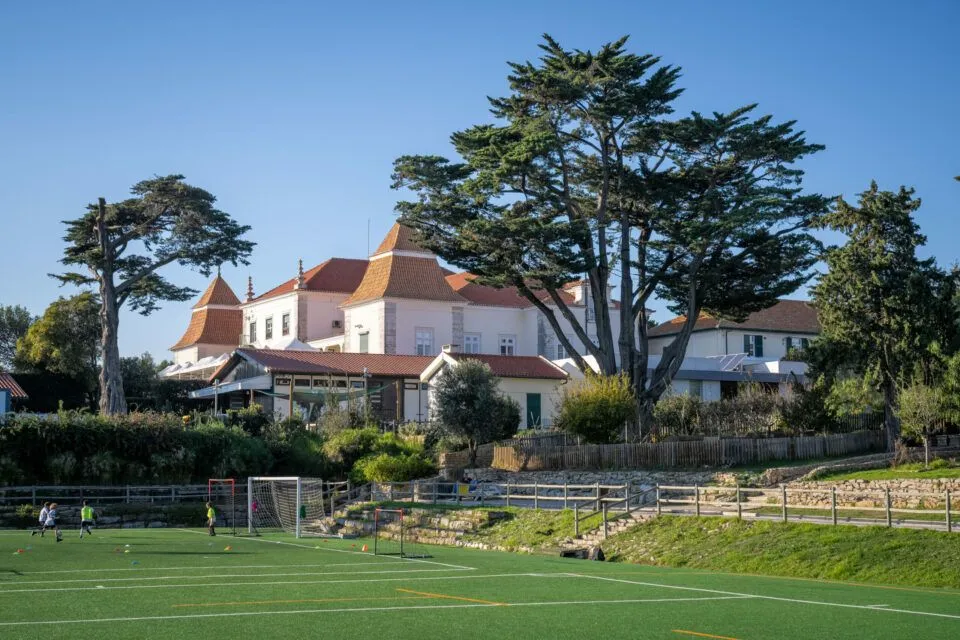
St. Julian's School
British curriculum, with IGCSE and the IB Diploma
3 to 18
English
Carcavelos, Cascais, around 25 to 30 minutes by car from central Lisboa