

Your guide to Moving, Living, Buying & Investing in Coimbra
Located on the banks of the River Mondego in Central Portugal, Coimbra is a historic university city known for its medieval streets, academic traditions and UNESCO-listed heritage. Home to one of Europe's oldest universities, founded in 1290, it combines a lively student atmosphere with established healthcare, education, cultural institutions and regional services.
Beyond its historic centre, Coimbra offers varied residential settings, from traditional apartments in Alta and Baixa to family homes and contemporary developments in Celas, Solum, Vale das Flores and Santa Clara. Its relatively accessible property market, central location between Lisbon and Porto, and strong year-round community attract students, professionals, families and buyers seeking city living at a more manageable scale.
Coimbra Property Market
Growing university-city market
Drive to the Airport
~1 hr 20 to Porto Airport
Average Property Price in Coimbra
~€2,000–€3,500+ per m²
Pace of Life in Coimbra
Academic energy, relaxed rhythm
Closest Airport to Coimbra
Porto Francisco Sá Carneiro Airport
Cost of Living in Coimbra
Below Lisbon and Porto
Coimbra Climate
Mediterranean climate, with hot summers, cool winters and seasonal rainfall
Coimbra Population
~140,800 (municipality)
Region of Portugal
Central Portugal
Is Coimbra a good place to live?
Coimbra suits people who want the facilities of a substantial Portuguese city without the scale, property prices or pace of Lisbon and Porto. Hospitals, universities, shopping, restaurants and cultural venues are concentrated within a relatively manageable area, while rail connections make both Lisbon and Porto accessible.
Daily life changes considerably by neighbourhood. The historic centre is compact but steep, while Solum, Celas and Vale das Flores are more practical for parking, supermarkets and modern apartment living. The main compromise for people moving from Portugal's coastal cities is that Coimbra is inland, so beach days require a journey rather than a walk or short local drive.
What are the pros of living in Coimbra
- Historic city atmosphere and centuries-old academic traditions
- Lively cultural scene shaped by students and local communities
- More accessible housing costs than Lisbon and Porto
- Compact city with a strong sense of local identity
- Riverfront parks, gardens and outdoor leisure areas
- Choice between traditional central streets and quieter residential neighbourhoods
What are the cons of living in Coimbra
- No beach within the city
- Historic centre is steep
- International-school choice is more limited
- Older central properties may lack parking or lifts
- Smaller international community than Lisbon or Porto
Who enjoys living in Coimbra?
Students, academics, healthcare professionals, families, retirees and buyers wanting a smaller Portuguese city with strong services
Why do so many people choose Coimbra to live?
Coimbra offers something Portugal's larger cities increasingly struggle to provide at the same price: a major university, regional hospitals, culture and national transport connections within a relatively compact city. It feels unmistakably Portuguese, while the university brings a constant flow of younger residents and international students.
Its central location also matters. Lisbon and Porto are both reachable by direct rail, while Figueira da Foz provides the nearest major Atlantic beach. For buyers who do not need to live beside the ocean or a major international airport, Coimbra can offer considerably more property for the budget.
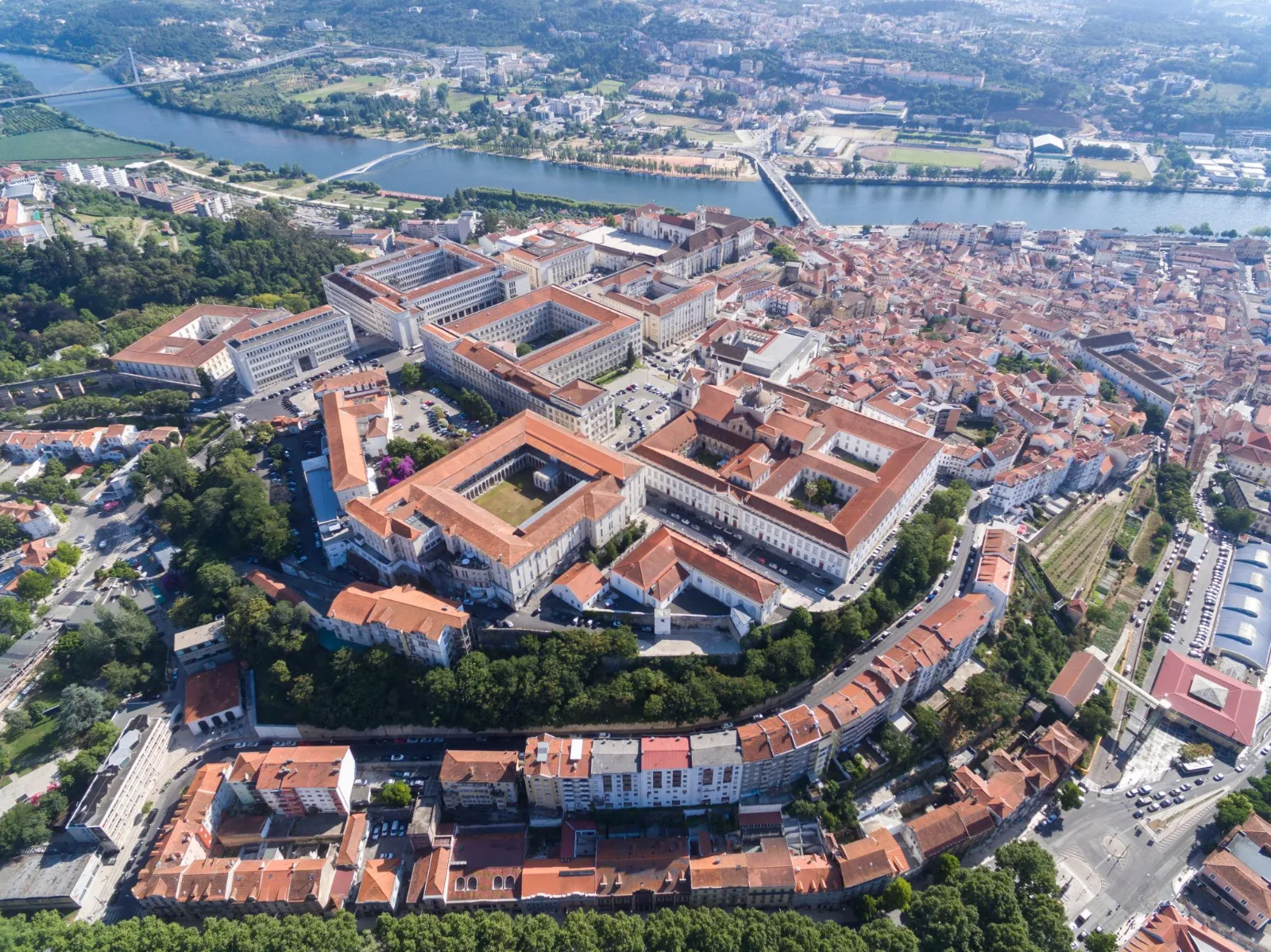
Coimbra also benefits from:
- ·University of Coimbra and the historic Joanina Library
- ·Coimbra University Hospitals and associated healthcare services
- ·Direct railway connections to Lisbon and Porto
- ·Mondego riverfront parks and walking routes
- ·Portugal dos Pequenitos cultural attraction in Santa Clara
- ·Botanical Garden of the University of Coimbra
- ·Figueira da Foz and its Atlantic beaches within day-trip distance
Coimbra's student traditions are so distinctive that UNESCO specifically recognised the city's academic ceremonies and cultural traditions as part of what makes its historic university quarter exceptional.
Neighbourhoods nearby Coimbra
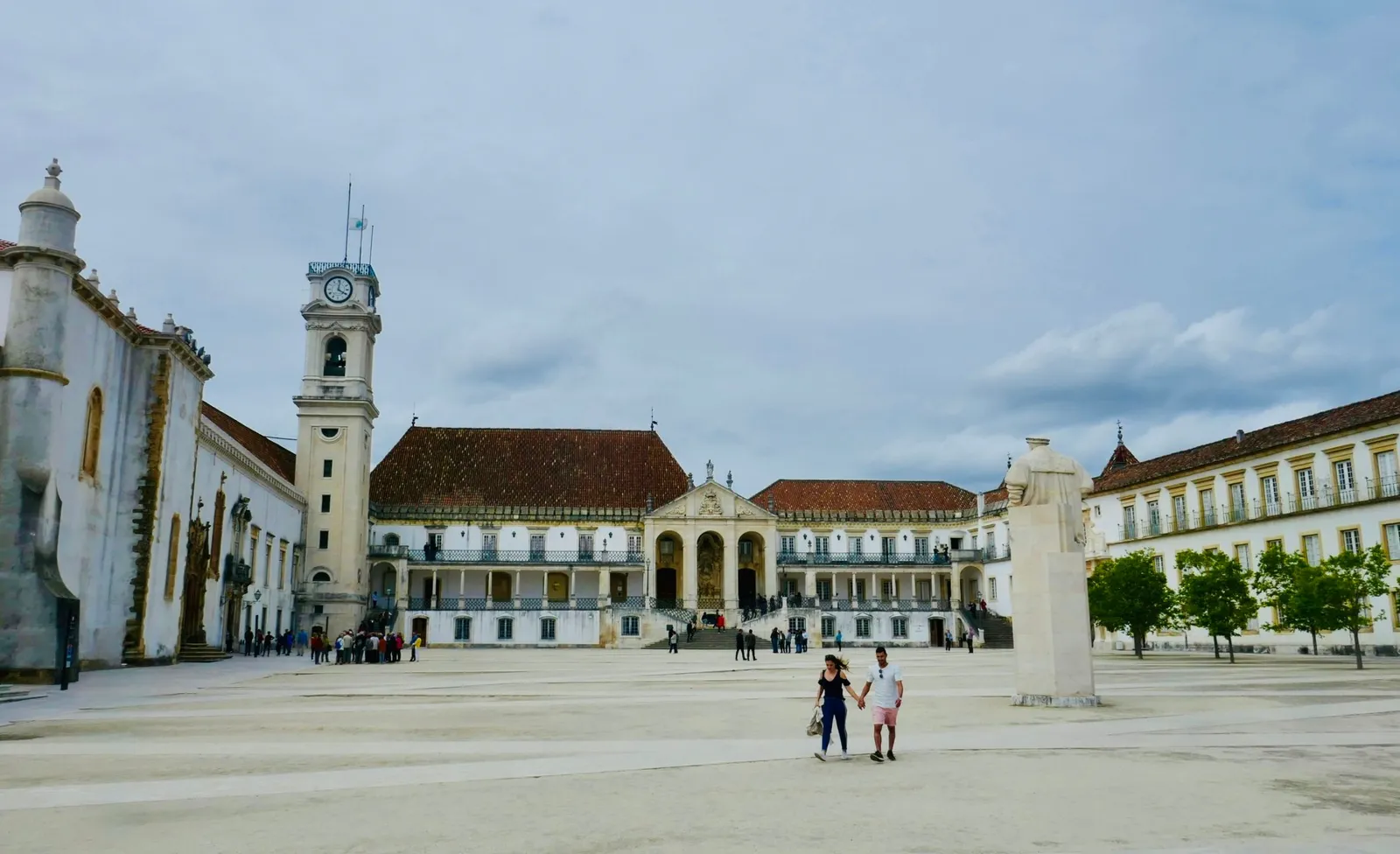
Alta
Alta occupies the hill around the University of Coimbra and contains some of the city's most historically significant streets and buildings. Students, visitors and university life are ever-present, while cafés and small businesses occupy the streets descending towards Baixa. Property is dominated by older apartments and historic buildings rather than large modern developments. Renovated homes can carry a premium, particularly close to the university, but buyers need to pay attention to access, parking, lifts and the condition of older buildings.
- Best suited for:
- University life, historic character, students and central living
- Property styles:
- Historic apartments, renovated buildings, townhouses
- Price range:
- ~€2,500–€3,800+ per m²
Alta forms part of the UNESCO-listed University of Coimbra, Alta and Sofia site, meaning residents live inside a university landscape that has evolved for more than seven centuries.
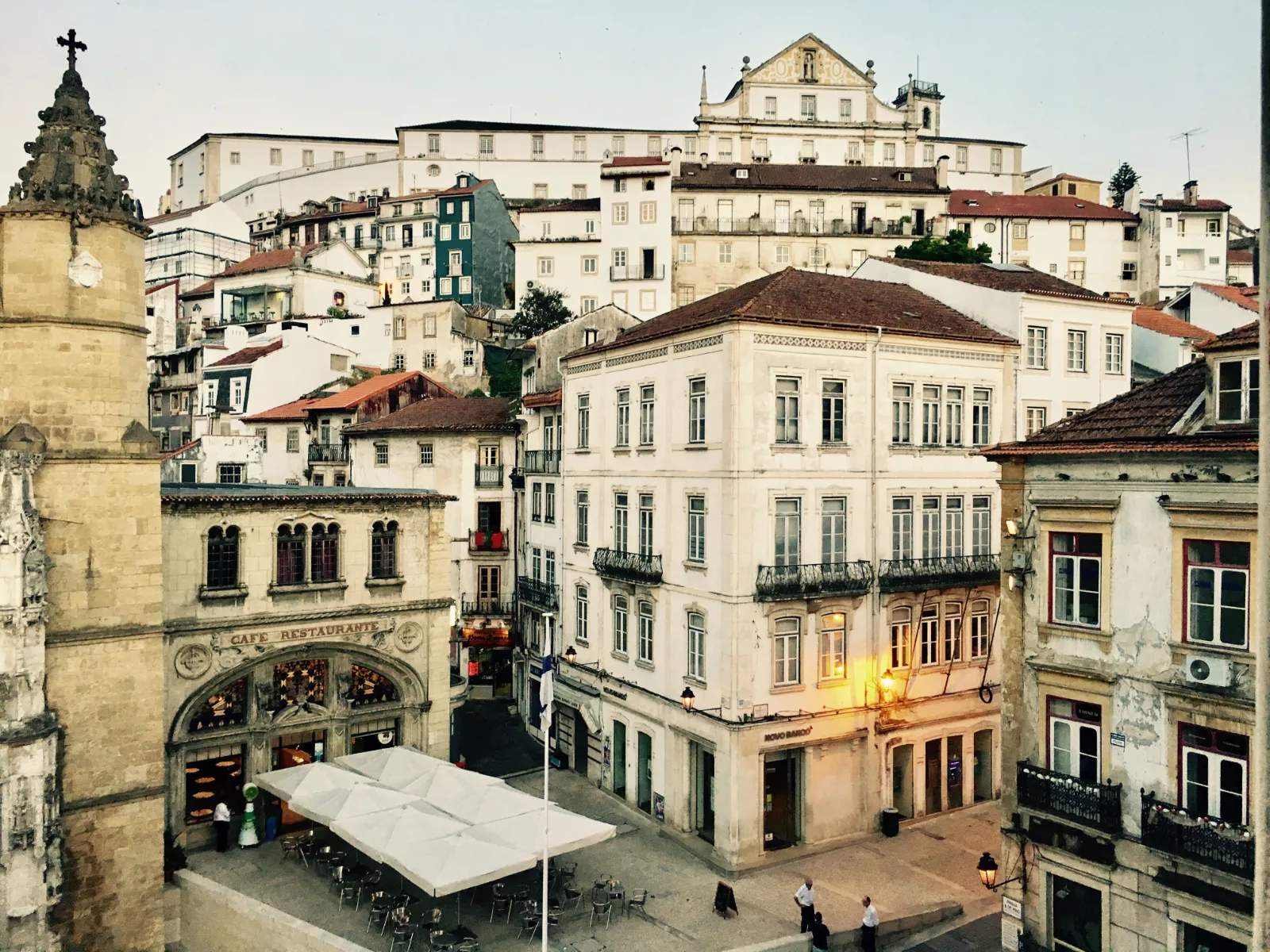
Baixa
Baixa is the lower historic centre between the university hill and the Mondego. Rua Ferreira Borges, Praça 8 de Maio and surrounding streets form one of Coimbra's traditional shopping and social areas, with cafés, restaurants and everyday city activity at street level. Housing is largely older apartment stock and renovated historic buildings. Baixa works for buyers who want to walk to the river, university and centre, while accepting that older buildings can come with smaller layouts and fewer modern conveniences.
- Best suited for:
- Walkability, city-centre living, students and professionals
- Property styles:
- Apartments, historic buildings, renovated homes
- Price range:
- ~€2,300–€3,500+ per m²
Rua da Sofia, running through the lower city, forms part of Coimbra's UNESCO World Heritage site because of the historic university colleges established there from the 16th century.

Celas
Celas sits close to the University Hospital and several university faculties, giving it a strong mix of students, doctors, healthcare workers, academics and permanent residents. It feels more residential than the historic centre while keeping major institutions close by. Apartments dominate the local market, ranging from older blocks to renovated and more contemporary properties. The area's practical location creates demand from people who prioritise the hospital and university over tourist attractions or historic-centre living.
- Best suited for:
- Healthcare professionals, academics, students and permanent residents
- Property styles:
- Apartments, renovated flats, family-sized homes
- Price range:
- ~€2,500–€3,600+ per m²
Celas is also close to Praça da República and Coimbra's main academic districts, providing convenient access to cafés, shops and cultural venues beyond the hospital area.
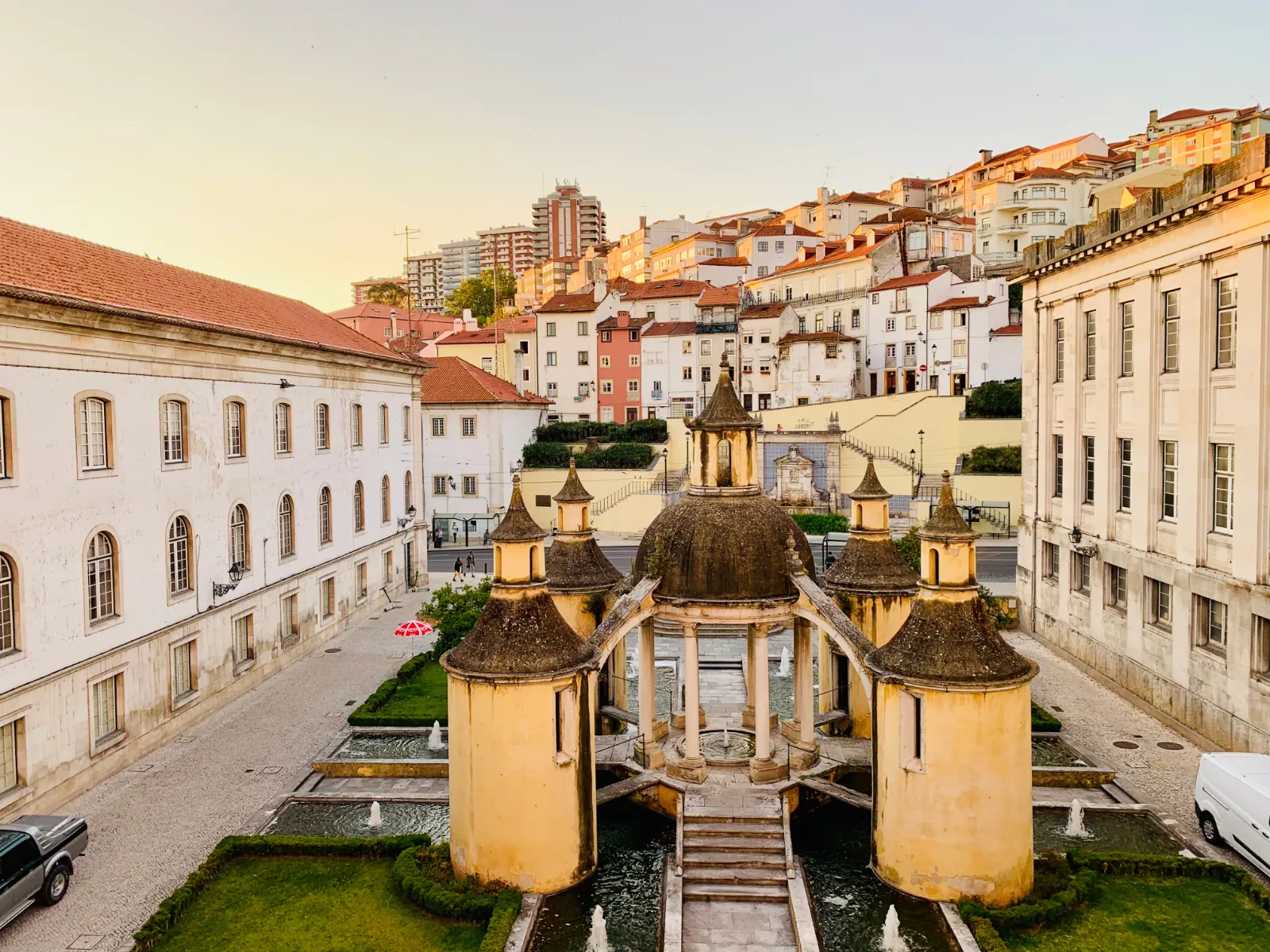
Solum & Vale das Flores
Solum and Vale das Flores provide a more modern version of Coimbra living. Apartment buildings, shopping, schools, sports facilities and wider streets make the area practical for families and professionals who want everyday convenience rather than historic-centre character. Modern condominiums are more common here, so buyers have a better chance of finding lifts, garages, balconies and improved energy performance. The area also continues to attract newer residential development.
- Best suited for:
- Families, professionals and buyers wanting modern apartments
- Property styles:
- Modern apartments, condominiums, family-sized flats
- Price range:
- ~€2,700–€3,800+ per m²
Vale das Flores includes one of Coimbra's major urban green spaces, giving this otherwise modern residential district a large park within everyday walking distance.

Santa Clara
Santa Clara sits across the Mondego from the historic centre, offering a different perspective on Coimbra and some excellent views back towards the university hill. The neighbourhood mixes traditional homes, apartments and newer residential properties. It is generally quieter than Alta or Baixa and can offer more space, while the city centre remains close across the river. Newer development around Santa Clara and Castelo Viegas also gives buyers options beyond Coimbra's older central housing stock.
- Best suited for:
- Families, professionals, quieter living and buyers wanting views
- Property styles:
- Apartments, houses, villas, newer developments
- Price range:
- ~€2,200–€3,500+ per m²
Santa Clara is home to Portugal dos Pequenitos, opened in 1940, where miniature Portuguese buildings and monuments have introduced generations of children to the country's architecture and former overseas connections.
Coimbra lifestyle score
Amount of Sunshine in Coimbra
Quality of Life in Coimbra
Coimbra Investment Portfolio
Family Friendly
Walkability
Coimbra property market overview
Market Strength in Coimbra
Coimbra benefits from year-round housing demand linked to its university, hospitals and regional services. Students, healthcare professionals and permanent households support different market segments, while city asking prices rose ~4.7% year on year to September 2026.
Average Property Price in Coimbra
Average asking prices reached ~€3,181 per m² in Coimbra city in September 2026, compared with ~€2,499 per m² across the municipality. Values vary between historic apartments, contemporary developments and properties in outer residential areas.
Coimbra Property Rentals
Coimbra's rental market serves university students, academics, healthcare professionals and local households. Demand varies by proximity to faculties, hospitals and transport, while property condition, layout and neighbourhood influence achievable rents and tenant preferences.
Long Term Growth
Municipality-wide asking prices increased ~11.4% year on year to September 2026, compared with ~4.7% within Coimbra city. Different growth rates across the municipality highlight the importance of location and individual property characteristics.
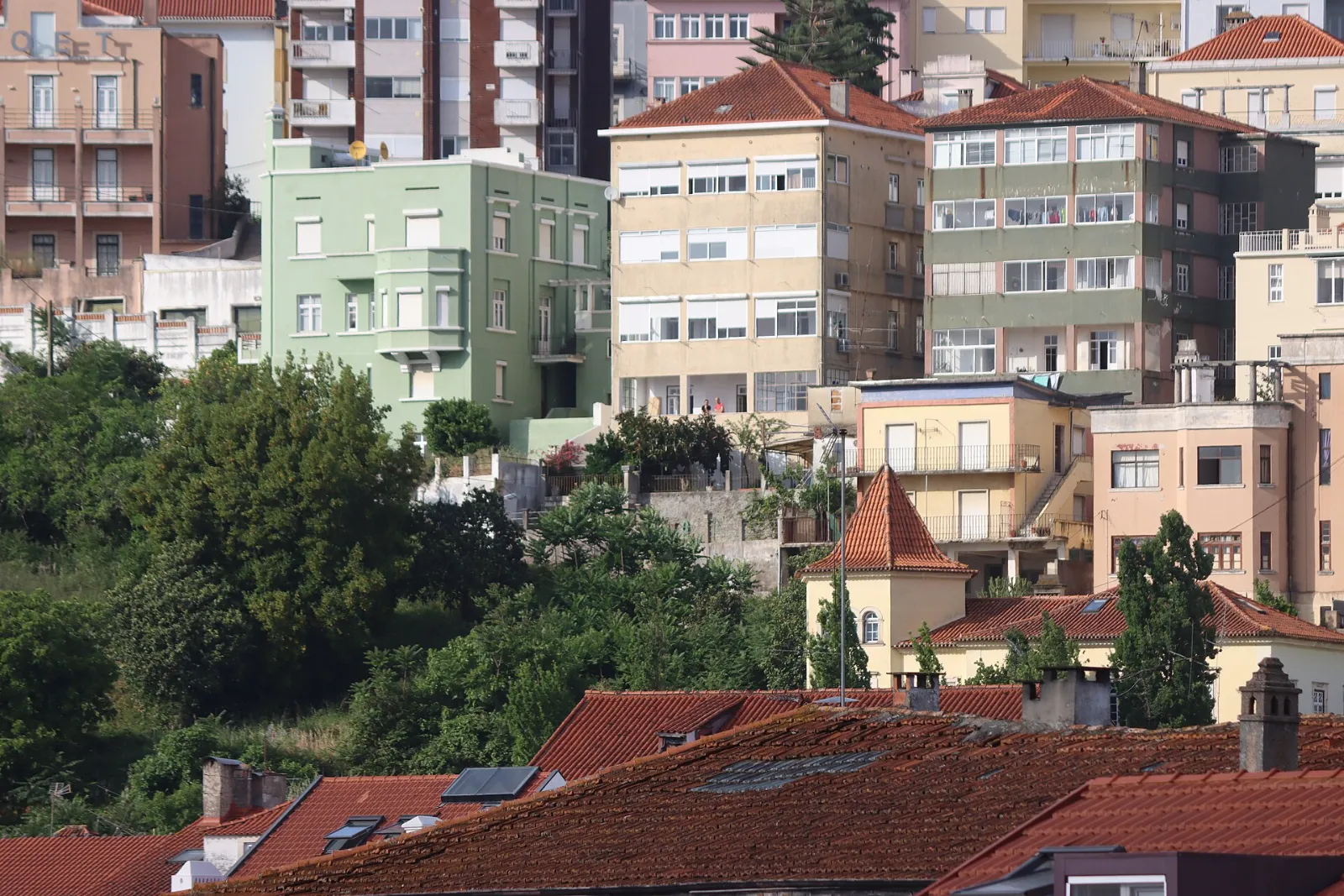
Advantages of Coimbra
- ·Lower property entry prices than Lisbon and Porto
- ·Year-round rental demand from university and healthcare communities
- ·Established residential market beyond seasonal tourism
- ·Range of historic apartments, family homes and newer condominiums
- ·Renovation opportunities within older central properties
- ·Different price segments across central and outer neighbourhoods
Things to consider
- ·Student demand varies considerably by neighbourhood
- ·Older historic properties may require renovation
- ·No international airport within the city
- ·International-school choice is relatively limited
- ·Historic-centre access and parking can be difficult
Is Coimbra a good investment?
Coimbra attracts property buyers through its established university, teaching hospitals and year-round residential population. Demand from students, academics, healthcare professionals and local households supports different housing segments, while property prices generally remain below those of Lisbon and Porto.
However, Coimbra's property market varies significantly between neighbourhoods. A student apartment in Alta serves different needs from a family home in Solum or Santa Clara. Buyers should assess location, building condition, purchase costs and realistic rental demand rather than relying on general university-city trends.
This overview is general market information rather than investment advice.
Portugal cost of living comparison
Estimated living costs for two adults in Coimbra, based on a comfortable everyday lifestyle.
Housing generally costs less than in Lisbon or Porto, although central and newer residential areas command higher prices.
Is Coimbra safe?
Coimbra is generally considered a safe university city, with established residential neighbourhoods and active public spaces. As in other urban areas, normal precautions are advisable, particularly around busy nightlife districts and transport hubs.
Residents and visitors should secure personal belongings and take care when walking through the historic centre, where steep stone streets can become slippery in wet weather. Conditions and accessibility vary between central and outer residential neighbourhoods.
Schools near Coimbra
Coimbra has strong Portuguese public and private education, but fewer fully international options than Lisbon, Cascais, Porto or the Algarve. Several local private schools compensate with substantial English-language teaching alongside the Portuguese curriculum.

St. Paul's School
Portuguese National Curriculum with enhanced bilingual and English-language programme
~4 months–18 years
Portuguese and English, with Spanish and German at selected stages
Coimbra

Colégio Rainha Santa Isabel
Portuguese National Curriculum
3–18 years
Portuguese, with foreign-language study
Coimbra

Escola Básica Rainha Santa Isabel
Portuguese National Curriculum
~3–15 years across the school grouping
Portuguese, with foreign languages within the national curriculum
Pedrulha, Coimbra