
Your guide to Moving, Living, Buying & Investing in Faro
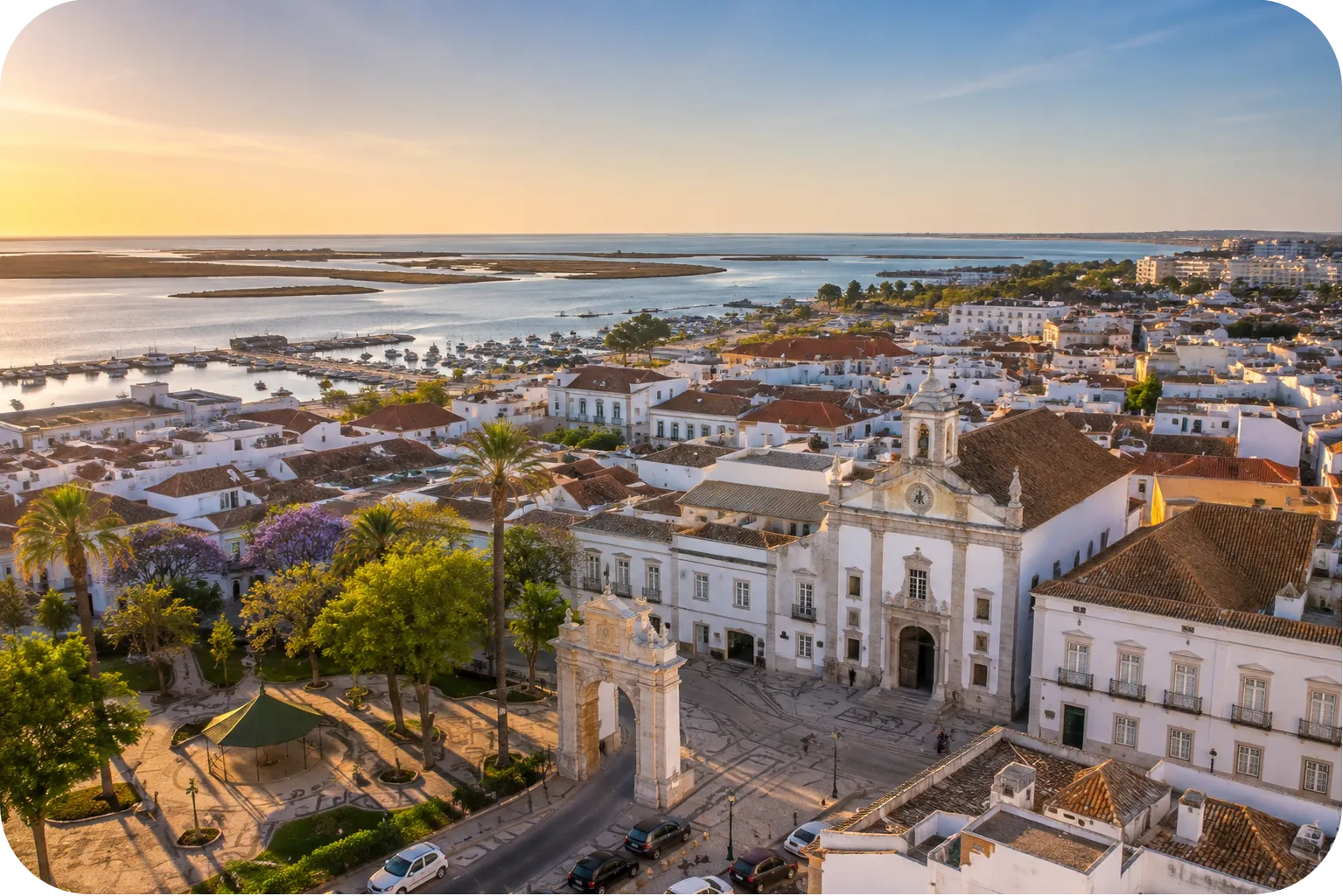
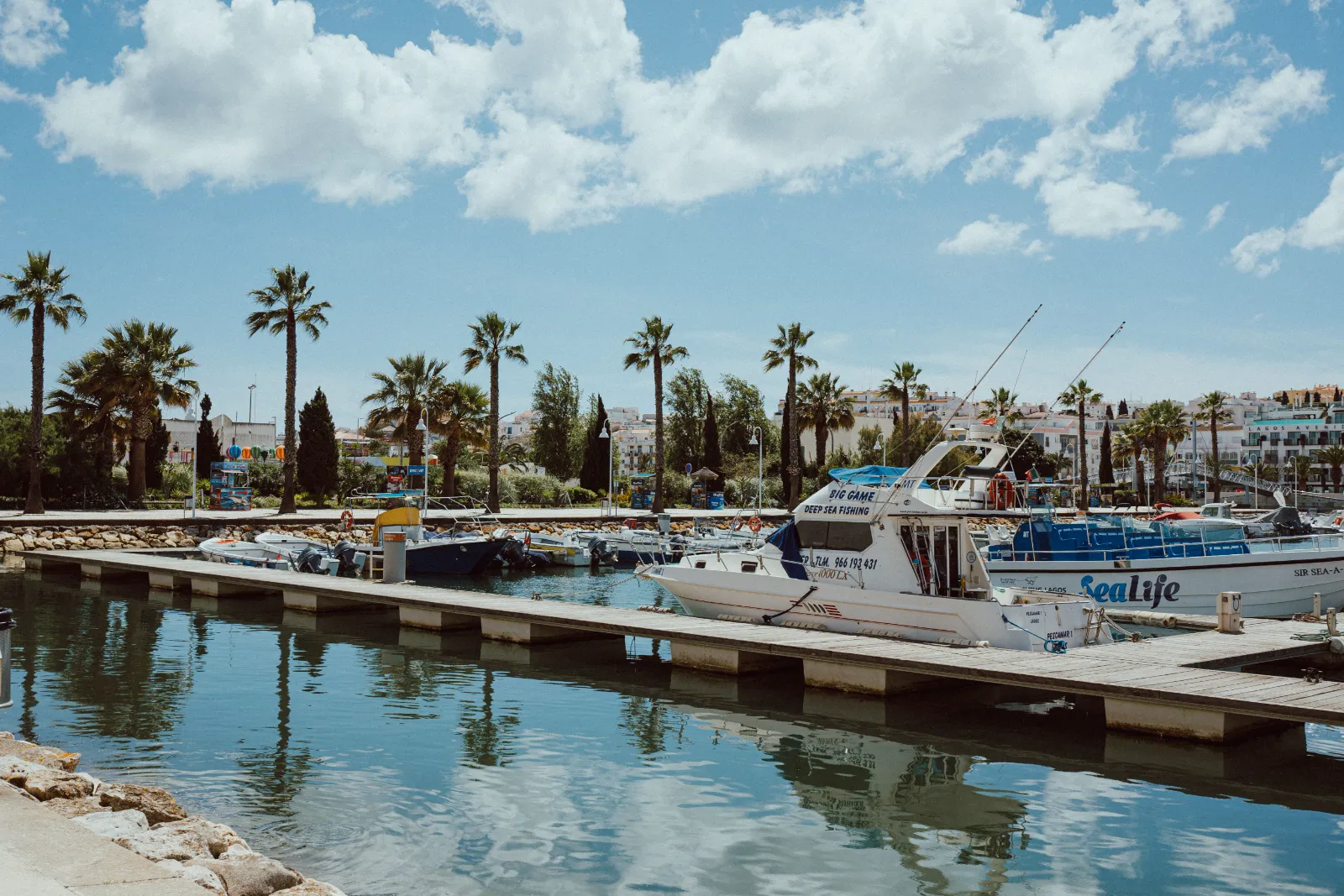
Faro is the capital of the Algarve, combining the character of a historic Portuguese city with the convenience of an international airport, university, regional hospital and established year-round economy. Its cobbled old town, waterfront marina and proximity to the protected Ria Formosa lagoon create a distinctive setting, while local shops, restaurants and cultural attractions support everyday city life.
The property market offers a varied selection of historic townhouses, modern apartments, waterfront developments and countryside villas. With established residential neighbourhoods, transport connections and access to nearby beaches, Faro attracts families, professionals, retirees and international buyers seeking a permanent home, second residence or investment property.
Faro Property Market
Historic townhouses, modern apartments and coastal villas
Drive to the Airport
~10 to 15 minutes from central Faro
Average Property Price in Faro
~€3,800-€6,500 per m²
Pace of Life in Faro
Relaxed coastal city with year-round activity
Closest Airport to Faro
Faro International Airport
Cost of Living in Faro
Moderate by Algarve coastal-city standards
Faro Climate
Over 300 sunny days a year
Faro Population
~67,566 (municipality)
Region of Portugal
Algarve
Is Faro a good place to live?
Faro is an appealing place to live for people who want the benefits of a functioning city alongside the Algarve's climate and coastal scenery. As the regional capital, it offers established healthcare, education, shopping and transport services, including Faro International Airport and the University of the Algarve. Its historic centre, marina and waterfront restaurants create an attractive urban atmosphere, while residential neighbourhoods provide convenient options for families and professionals.
The city combines traditional Portuguese character with a growing selection of modern apartments and residential developments. Residents can enjoy local markets, cultural events, nearby beaches and access to the Ria Formosa Natural Park. Although Faro has a more urban atmosphere than smaller Algarve towns, its year-round activity and practical amenities make it particularly suitable for permanent living.
What are the pros of living in Faro
- Year-round city atmosphere beyond the summer tourism season
- Historic Portuguese character and lively waterfront surroundings
- Choice of walkable central and quieter residential neighbourhoods
- Relaxed coastal lifestyle with nearby beaches and natural landscapes
- Established local community alongside an international population
- Variety of traditional homes and contemporary residential areas
What are the cons of living in Faro
- Busy traffic during peak periods
- Some older properties require renovation
- Beach access generally requires transport from the city centre
- Higher prices in premium waterfront locations
- Summer tourism increases activity in central areas
- Public transport is less extensive outside the city
Who enjoys living in Faro?
International families, professionals, remote workers, retirees, investors, holiday home owners
Why do so many people choose Faro to live?
Faro offers a combination of coastal scenery, historic character and everyday convenience that distinguishes it from many Algarve resort towns. Its traditional old town, lively marina and access to the Ria Formosa provide a memorable setting, while the international airport, university and regional hospital support a practical year-round lifestyle. Residents benefit from restaurants, local markets, shopping streets and cultural attractions without relying entirely on seasonal tourism.
The municipality also offers a diverse property market, from restored townhouses and central apartments to contemporary waterfront homes and countryside villas. Buyers can choose between walkable urban neighbourhoods, established family residential areas and quieter inland locations. Faro's position as the Algarve's administrative and transport centre makes it attractive to people seeking a permanent home, a second residence or access to the wider region.
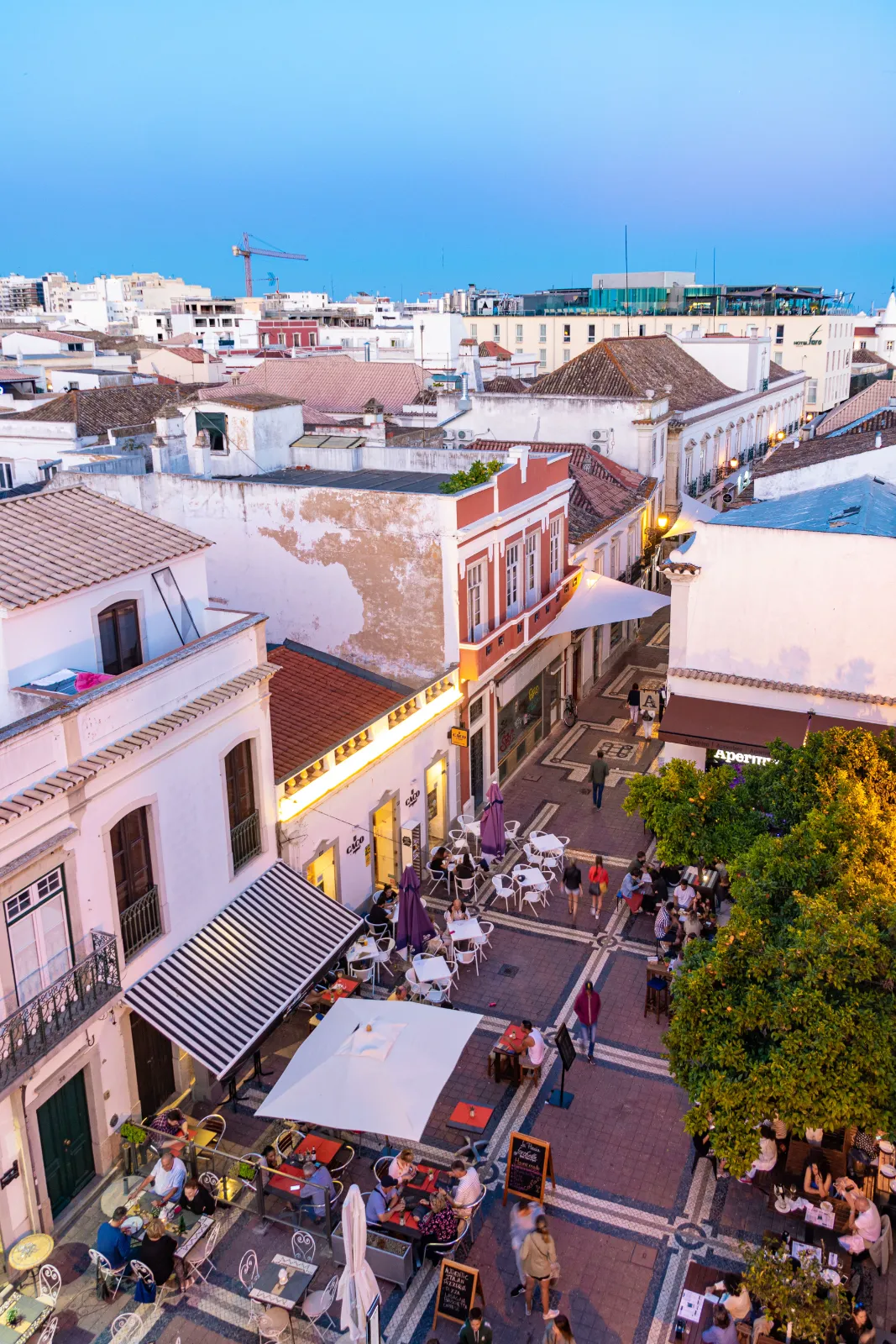
Faro also benefits from:
- ·Direct flights across Europe year-round
- ·Excellent public and private healthcare
- ·University of Algarve
- ·Growing digital nomad community and coworking spaces
- ·Strong rental demand from students, professionals and visitors
- ·Beaches reachable in ten minutes
Many buyers choose Faro because it feels like a real city rather than a seasonal resort
Neighbourhoods nearby Faro
Cidade Velha (Old Town)
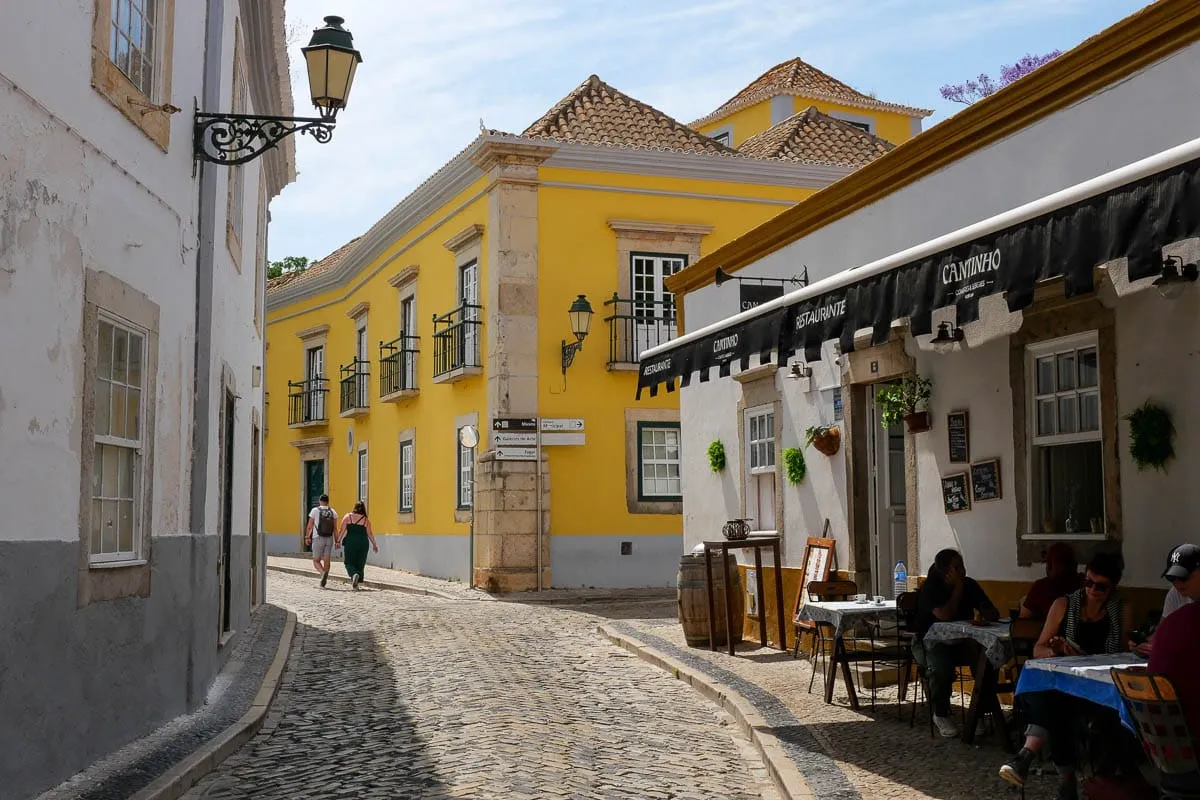
Cidade Velha is Faro's historic centre, enclosed by medieval walls and characterised by cobbled streets, traditional architecture and landmarks such as the cathedral. Properties include restored townhouses, historic apartments and smaller residences within a compact, walkable setting. Its architectural heritage and limited housing stock appeal to buyers seeking a distinctive home close to the marina and city centre.
The Arco da Vila provides one of the main entrances to the historic quarter, while Largo da Sé is surrounded by some of Faro's most recognisable historic buildings.
Montenegro
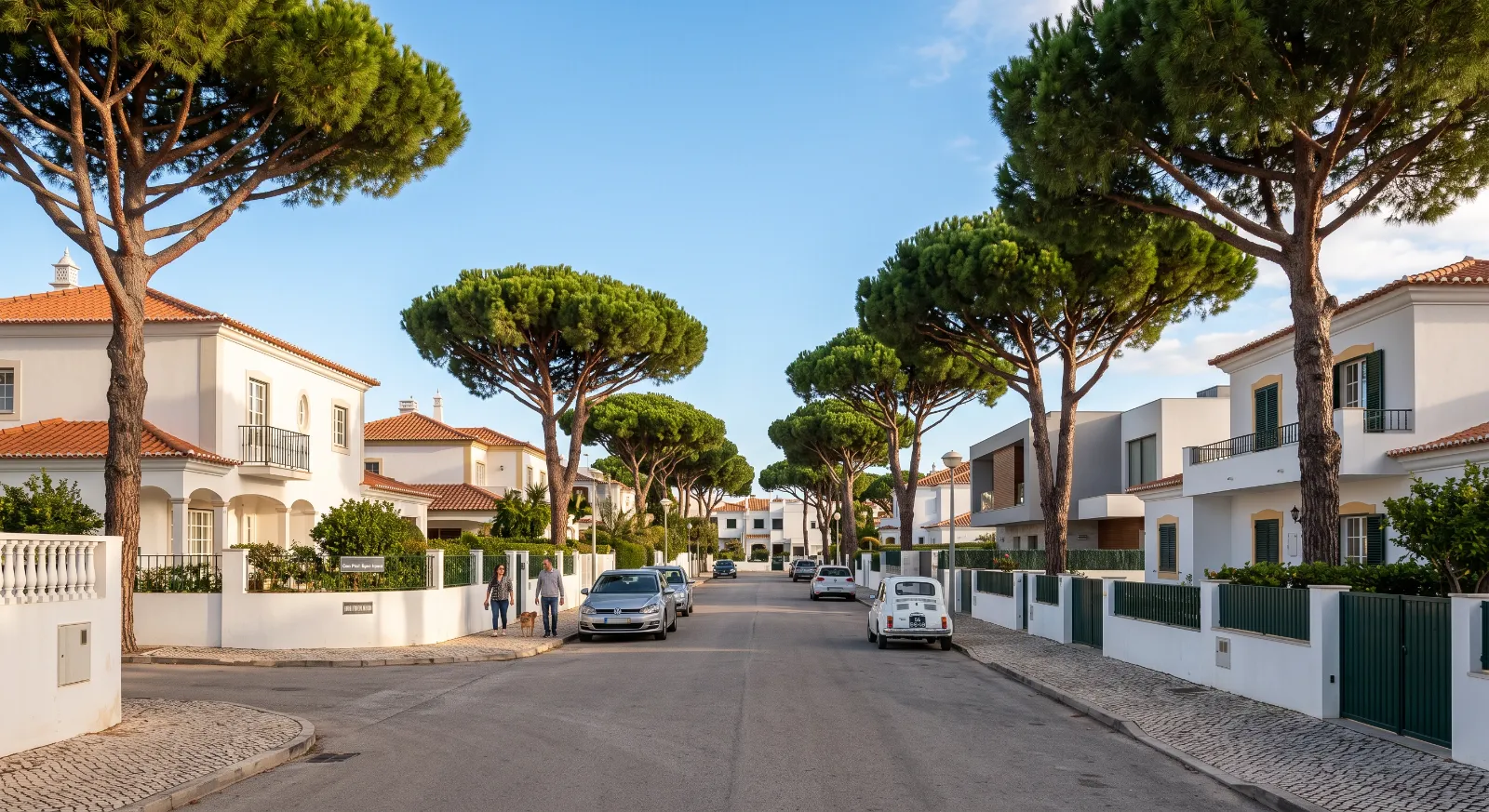
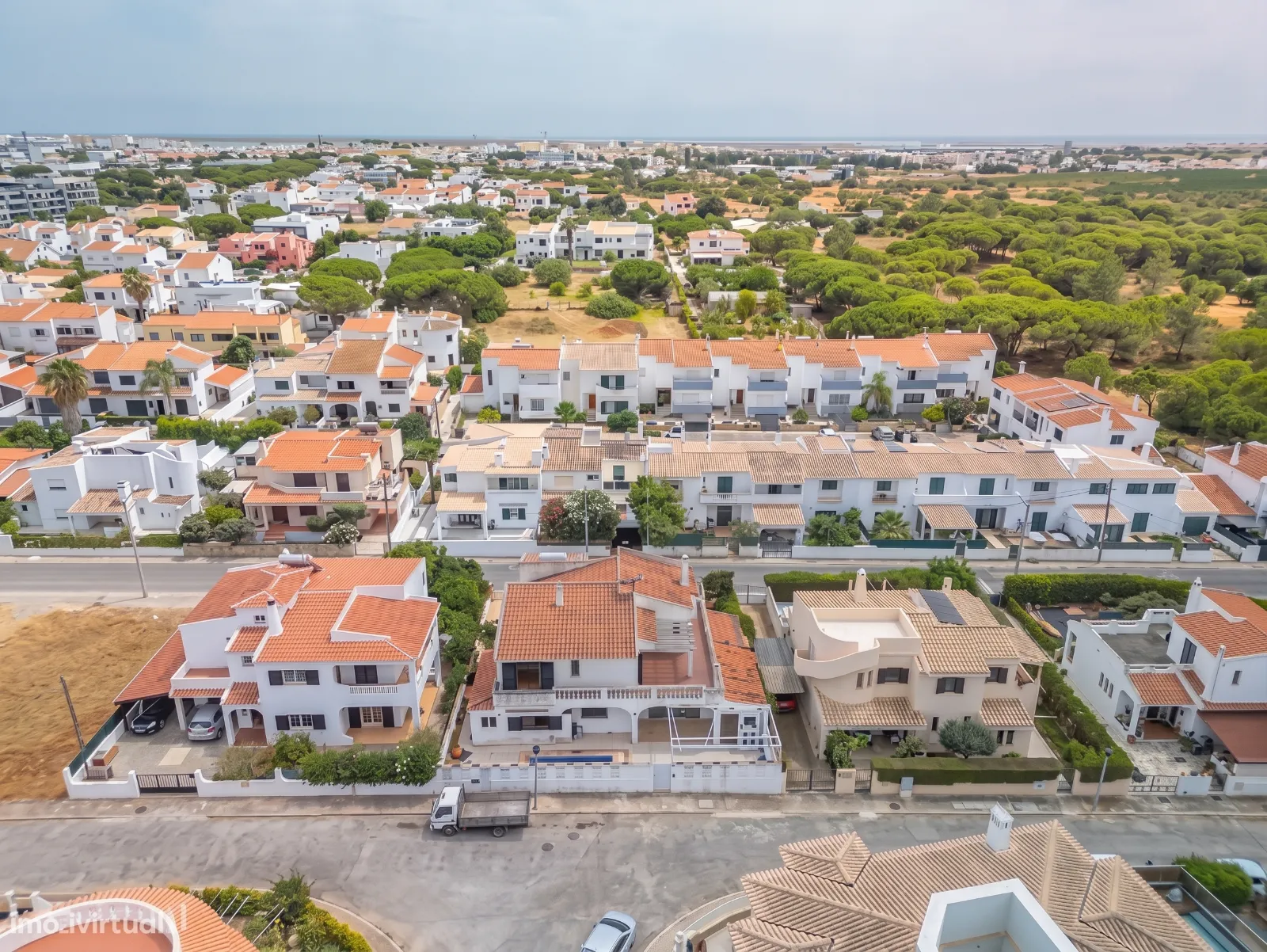
Montenegro is an established residential area west of central Faro, conveniently located near Faro International Airport, Praia de Faro and the University of the Algarve's Gambelas campus. Its mix of apartments, detached houses and contemporary villas appeals to families and professionals looking for residential space, practical amenities and access to the wider Algarve.
Montenegro offers convenient access to Praia de Faro and the surrounding Ria Formosa landscape, making coastal outings easy to incorporate into everyday life.
Gambelas
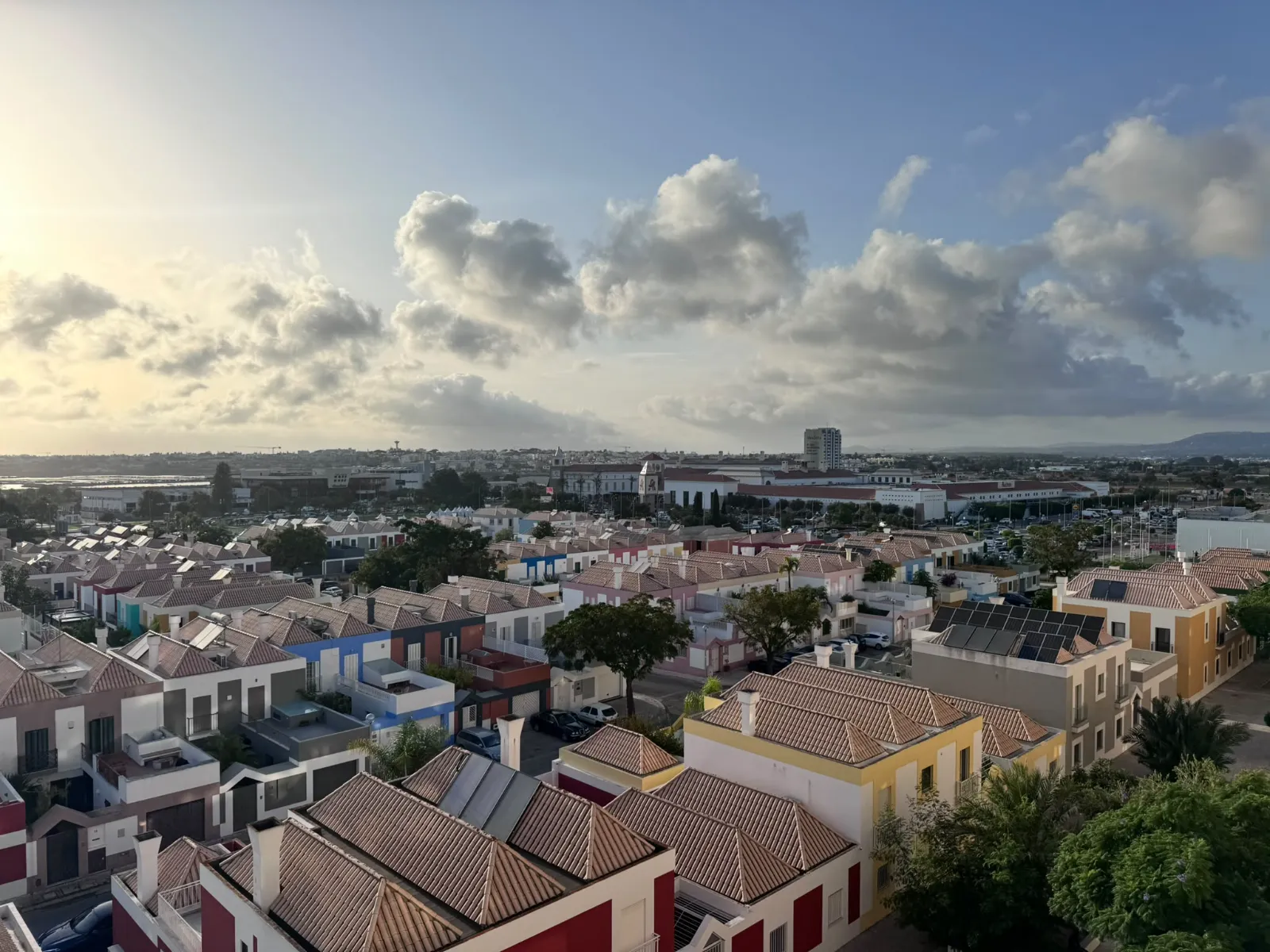
Gambelas is a residential area near the University of the Algarve's Gambelas campus and Hospital Particular do Algarve. It offers a mix of apartments, family homes and low-rise residential streets, attracting students, healthcare professionals and households seeking convenient access to education and medical services. Its setting provides an alternative to the busier historic centre.
The university campus brings academic activity to the neighbourhood throughout the year, while nearby healthcare facilities and road connections add to its practical residential appeal.
Faro lifestyle score
Amount of Sunshine in Faro
Quality of Life in Faro
Faro Investment Portfolio
Family Friendly
Walkability
Faro property market overview
Market Strength in Faro
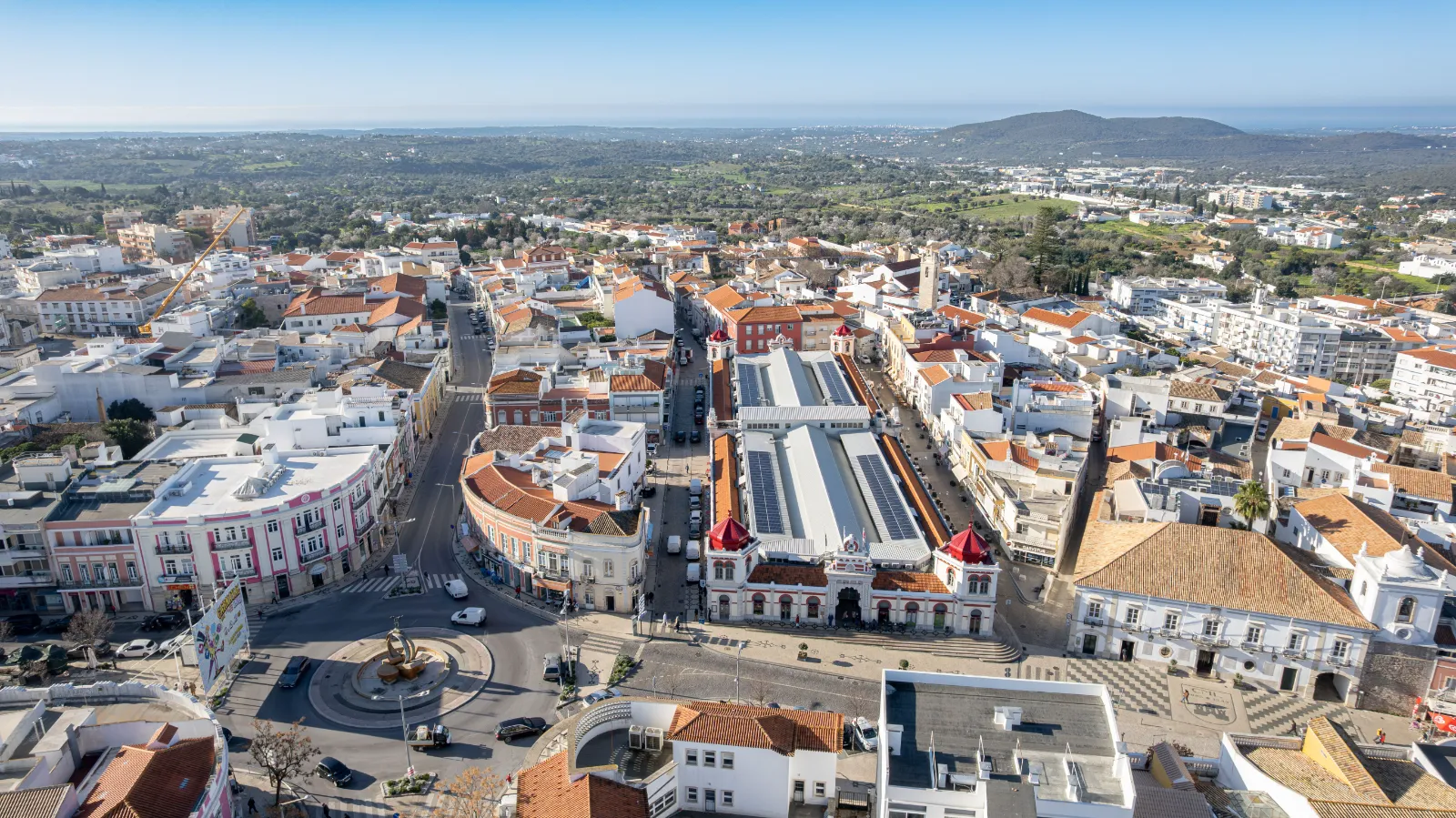
Faro's property market benefits from year-round demand supported by its university, regional hospital, international airport and administrative services. Limited waterfront development and established residential neighbourhoods help maintain interest from both local and international buyers.
Average Property Price in Faro
Asking prices generally range from ~€3,800 to €6,500 per m², depending on location. The Old Town and marina command premium prices, while areas such as Montenegro and Gambelas offer more varied options.
Faro Property Rentals
Faro has a year-round rental market supported by university students, healthcare workers and local professionals. Seasonal visitors create additional demand during summer, while short-term rental opportunities depend on property location and applicable local regulations.
Long Term Growth
Faro's long-term property outlook is supported by its role as the Algarve's administrative, educational and healthcare centre. Continued infrastructure investment, waterfront regeneration and new residential developments contribute to the city's evolving property market.
Advantages of Faro
- ·Year-round housing demand from residents, students and professionals
- ·Established residential neighbourhoods beyond seasonal tourism areas
- ·Varied property options, from historic townhouses to modern apartments
- ·Limited supply in selected historic and waterfront locations
- ·Access to the Algarve's international airport and regional services
- ·Potential for both long-term residential and second-home ownership
Things to consider
- ·Busy during peak summer months
- ·Rising property prices
- ·Limited waterfront supply
- ·Some seasonal traffic
- ·Car recommended for exploring the Algarve
- ·Certain beaches require ferries or short drives
Is Faro a good investment?
Faro has fundamentals that most Algarve towns do not: a permanent population, a university, a hospital, an airport and a regional government, all of which generate demand in November as well as July. Waterfront and Old Town supply is limited and cannot easily expand.
The honest counterpoints are that prices have already moved a long way, that entry costs are higher than the Silver Coast, and that any plan depending on short-let income needs the licensing position confirmed for the specific address first. Nothing here is investment advice, and a property should be judged on your own goal and holding period.
This overview is general market information rather than investment advice.
Portugal cost of living comparison
Estimated living costs for two adults in Faro, based on a comfortable everyday lifestyle.
Housing costs vary considerably between central Faro, waterfront properties and outer residential neighbourhoods.
Is Faro safe?
Faro is generally considered a safe city for residents and visitors, with established residential neighbourhoods and active public spaces throughout the year. As in other urban destinations, petty theft can occur in busy tourist areas, nightlife districts and transport hubs, so normal precautions are advisable.
Residents and visitors should keep personal belongings secure, take care when walking through unfamiliar areas late at night and remain attentive around busy roads. Beach safety is also important, particularly when swimming near the Atlantic coast or visiting less supervised areas.
Schools near Faro
Families choose Faro because schools are within a short drive while offering excellent access to beaches, sports facilities and healthcare.

Nobel Algarve British International School
British Curriculum, IGCSE, BTEC and IB Diploma Programme
3 to 18 years
English
Almancil
Bright International School
British Curriculum (EYFS, Primary and Cambridge IGCSE)
3 to 18 years
English
Loulé
Colégio International de Vilamoura
Portuguese National Curriculum or British International Curriculum (Cambridge, IGCSE and IB Diploma)
3 to 18 years
English & Portuguese
Vilamoura