
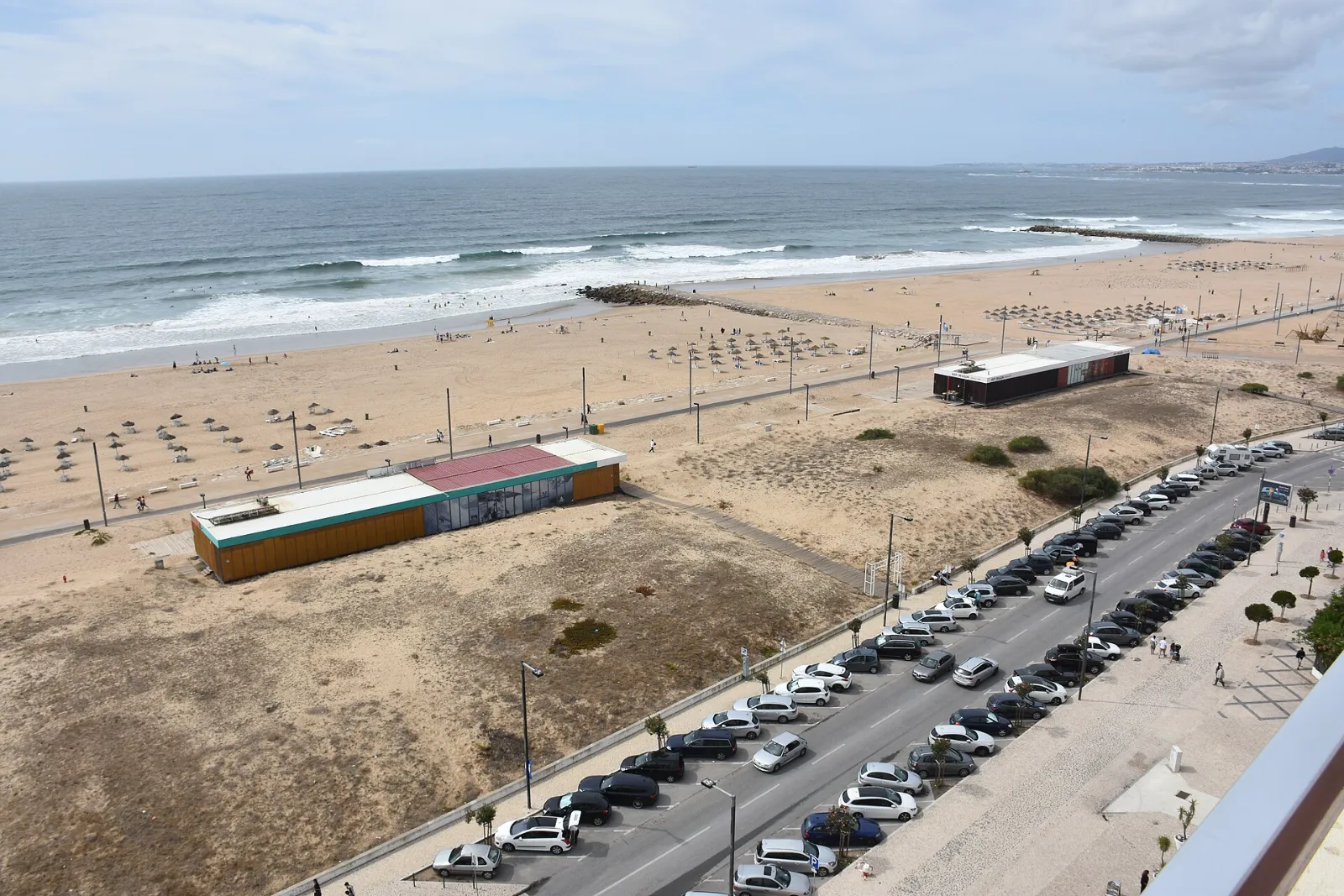
Your guide to Moving, Living, Buying & Investing in Costa da Caparica
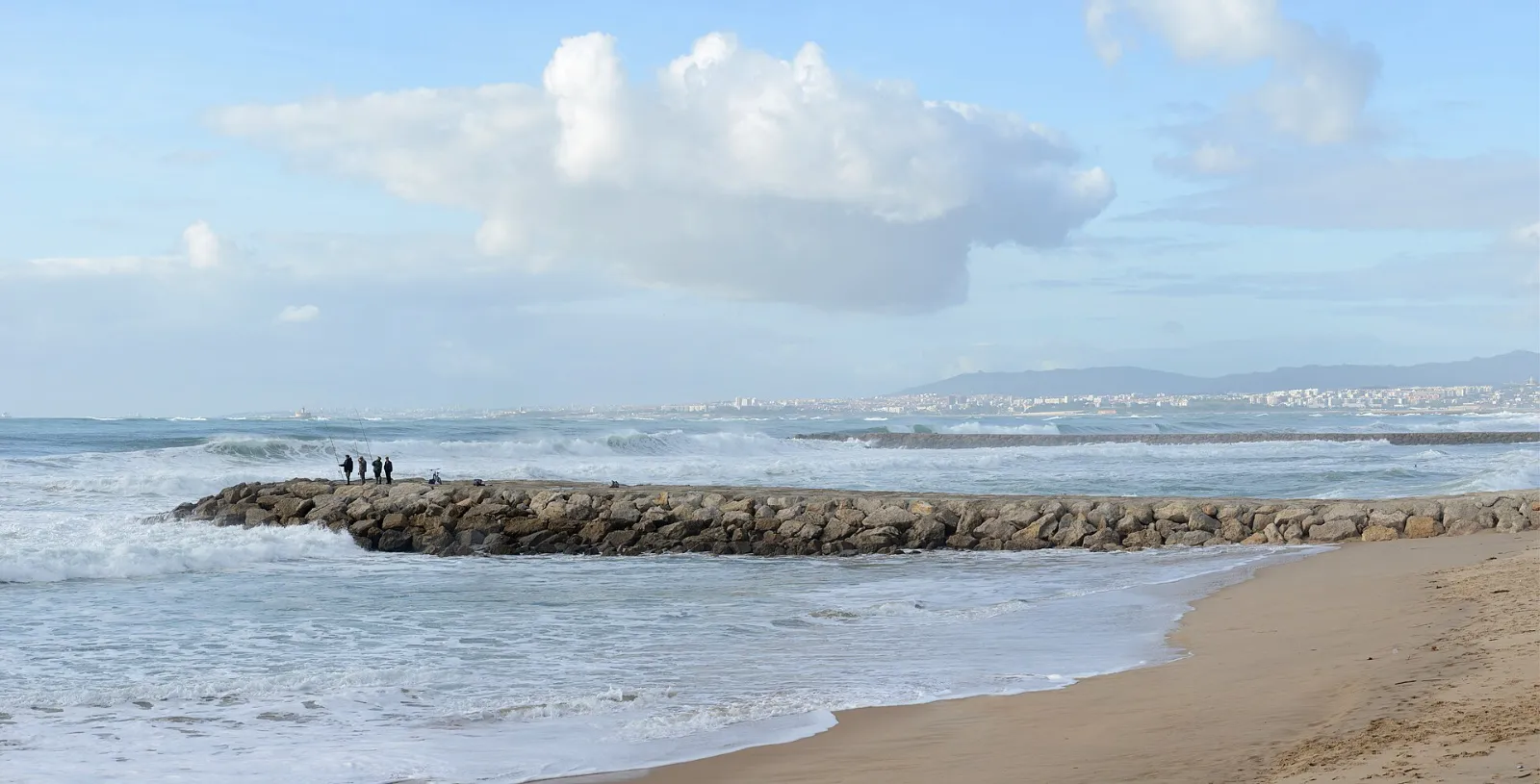
Located on the Atlantic coast directly south of Lisbon, Costa da Caparica is a lively seaside town known for its extensive sandy beaches, surfing culture and traditional fishing heritage. Its walkable centre offers cafés, shops, a municipal market and everyday services, while nearby São João da Caparica provides a quieter residential setting.
Costa da Caparica's property market includes older apartments, renovated flats and contemporary developments, particularly around the beachfront and established residential neighbourhoods. Its proximity to Lisbon attracts families, professionals, commuters and buyers seeking coastal living, although journeys across the 25 de Abril Bridge can be affected by traffic.
Costa da Caparica Property Market
Rising Lisbon-coast market
Drive to the Airport
~25–35 minutes
Average Property Price in Costa da Caparica
~€3,500–€5,500+ per m²
Pace of Life in Costa da Caparica
Surf mornings, Lisbon within reach
Closest Airport to Costa da Caparica
Lisbon Humberto Delgado International Airport (LIS)
Cost of Living in Costa da Caparica
Below Cascais, above inland Almada
Costa da Caparica Climate
Mediterranean climate with Atlantic influence, warm, dry summers and mild winters
Costa da Caparica Population
~13,970 (Costa da Caparica parish)
Region of Portugal
Lisbon Metropolitan Area
Is Costa da Caparica a good place to live?
Costa da Caparica works particularly well for people who want the beach to be part of everyday life but still need regular access to Lisbon. The town centre is walkable, cafés and local shops operate year-round, and the Atlantic is only a few streets away from much of the central housing stock.
Living here is different from living in Cascais. The atmosphere is more informal and Portuguese, international infrastructure is less developed and there is no direct rail line into Lisbon. Bus connections are useful, but anyone commuting by car needs to factor bridge traffic into daily life.
What are the pros of living in Costa da Caparica
- Kilometres of Atlantic beaches
- Closer to Lisbon than many beach towns
- Strong surf and outdoor culture
- Walkable town centre
- Lower property prices than Cascais
- Year-round Portuguese community
What are the cons of living in Costa da Caparica
- Bridge traffic can disrupt Lisbon commutes
- No direct rail connection to Lisbon
- Much busier during summer
- International-school choice is limited locally
- Some outer beach areas are car-dependent
Who enjoys living in Costa da Caparica?
Surfers, families, remote workers, Lisbon commuters, retirees and buyers prioritising beach access
Why do so many people choose Costa da Caparica to live?
Costa da Caparica offers something unusual this close to a European capital: a proper beach town rather than simply a suburban neighbourhood with access to the coast. Residents can surf before work, walk to the beach from central apartments and still reach Lisbon without relocating far down the Portuguese coast.
It also offers a different atmosphere from Cascais. Costa da Caparica is less polished and more informal, with fishing traditions, surf schools, beach restaurants and everyday Portuguese residential life sharing the same coastline. For buyers who value direct beach access more than prestige or international infrastructure, that distinction matters.

Costa da Caparica also benefits from:
- ·Extensive Atlantic beachfront
- ·Surf schools and year-round waves
- ·25 de Abril Bridge access to Lisbon
- ·Protected coastal landscape to the south
- ·Ferry connections from nearby Cacilhas and Trafaria
- ·Golf and pine forest around Aroeira nearby
Costa da Caparica's beach culture is newer than its fishing history. The parish became administratively independent in 1949, but fishing and agriculture remained central to local life long after the area began attracting Lisbon beachgoers.
Neighbourhoods nearby Costa da Caparica
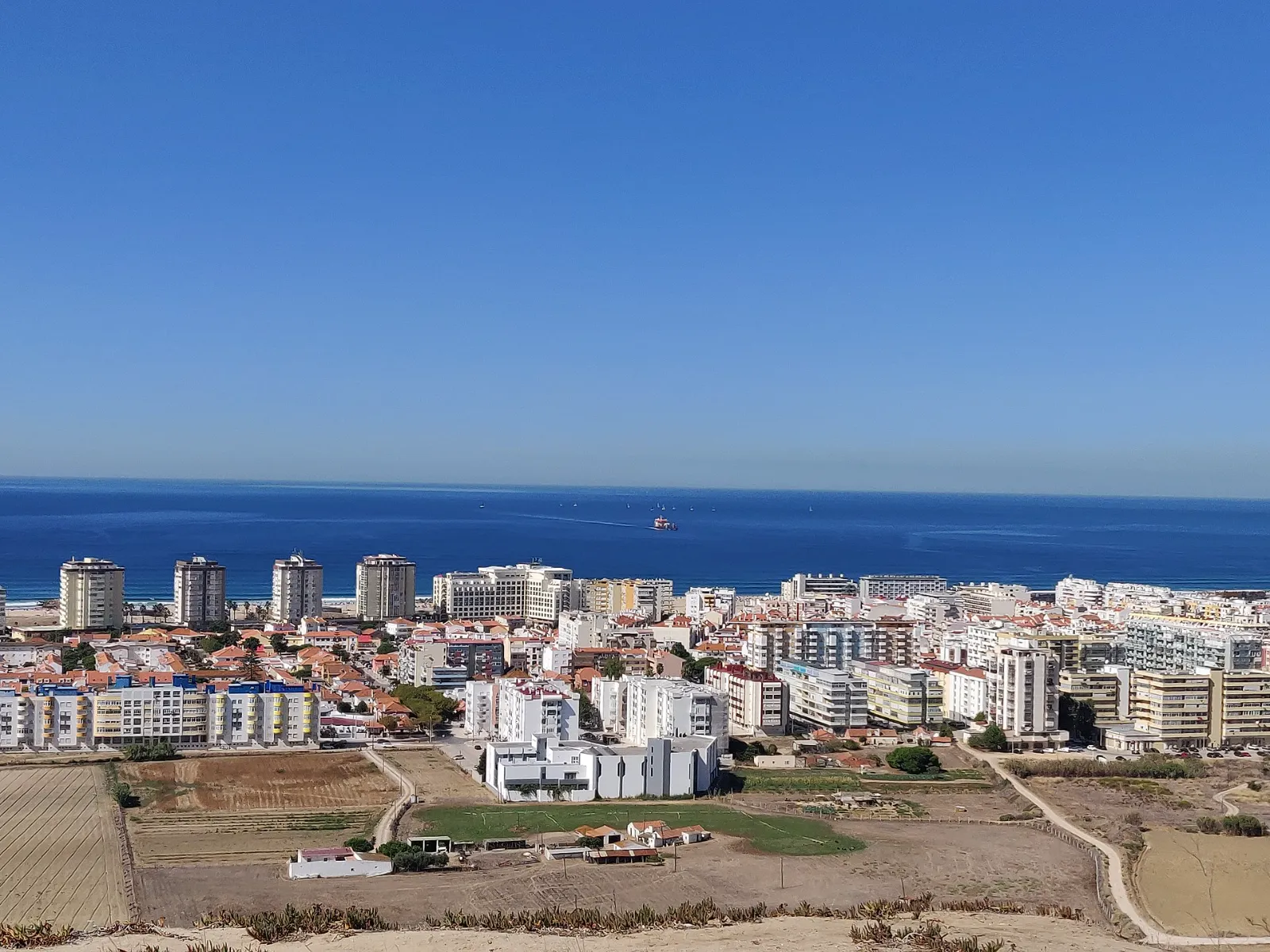
Costa da Caparica Centre
The centre puts the beach, municipal market, cafés, restaurants and everyday shops within walking distance. Apartments dominate the housing stock, ranging from older blocks to renovated properties and newer developments closer to the seafront. This is the easiest part of Costa da Caparica for living without relying constantly on a car. It also has the strongest summer atmosphere, with beachgoers and visitors adding considerably more activity during the warmer months.
- Best suited for:
- Walkability, surfers, couples, remote workers and beach living
- Property styles:
- Apartments, renovated flats, newer condominiums
- Price range:
- ~€4,000–€5,800+ per m²
The town still has a working connection to the sea, so its beachfront identity comes from fishing as well as surfing and summer tourism.
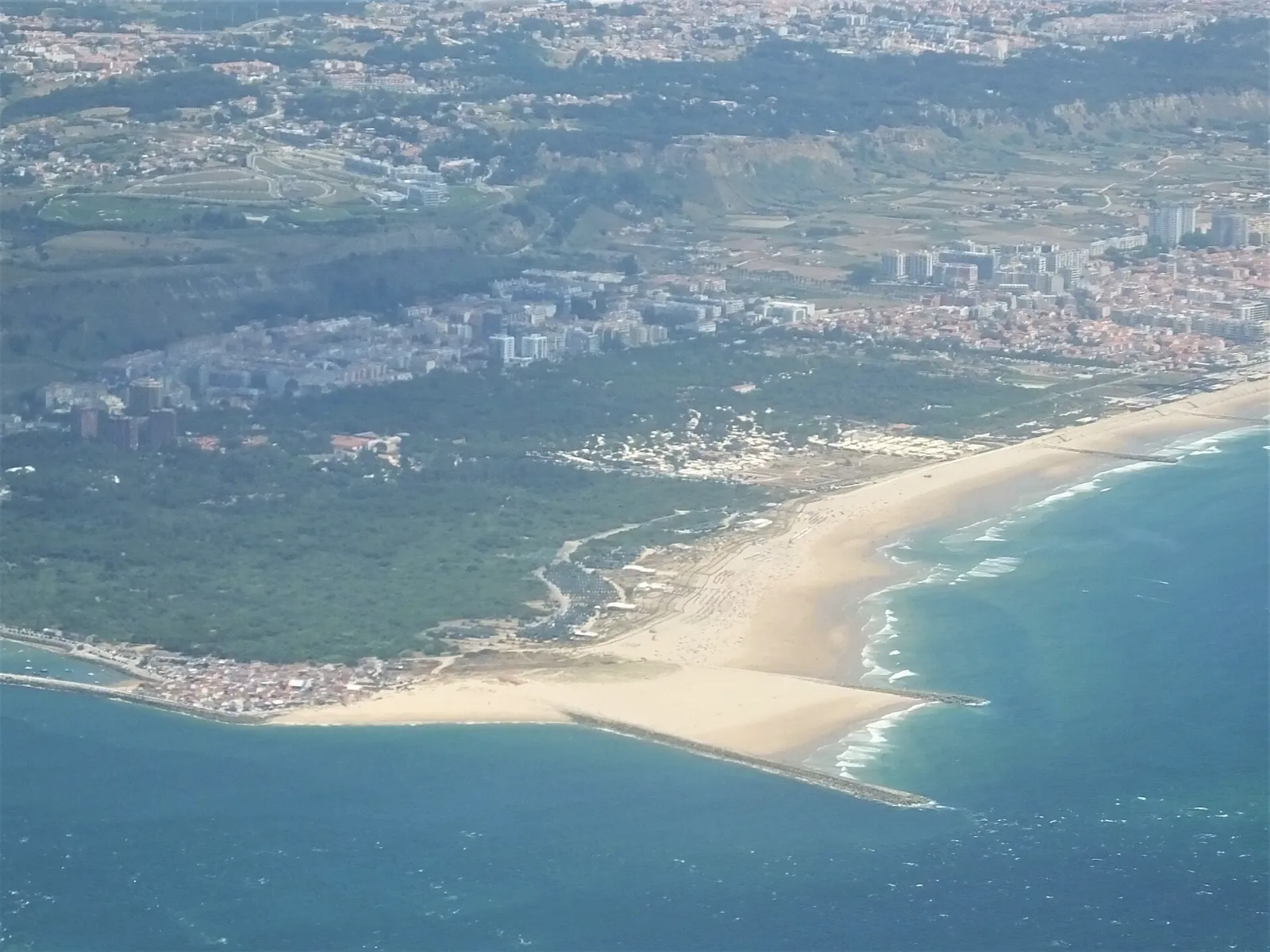
São João da Caparica
São João sits immediately north of central Costa da Caparica and has a quieter, more residential character. Apartment buildings, houses and low-rise developments sit between the town, pine-covered areas and beaches along the northern end of the coastline. It suits buyers who want beach access without living directly in the busiest part of the centre. Newer residential development has also appeared around this part of the coast, adding more contemporary options to the established housing stock.
- Best suited for:
- Families, quieter beach living and permanent residents
- Property styles:
- Apartments, condominiums, houses, newer developments
- Price range:
- ~€3,800–€5,500+ per m²
São João gives residents easy access to both Costa da Caparica's town centre and the pine-backed beaches towards Trafaria, creating a useful middle ground between town and coast.
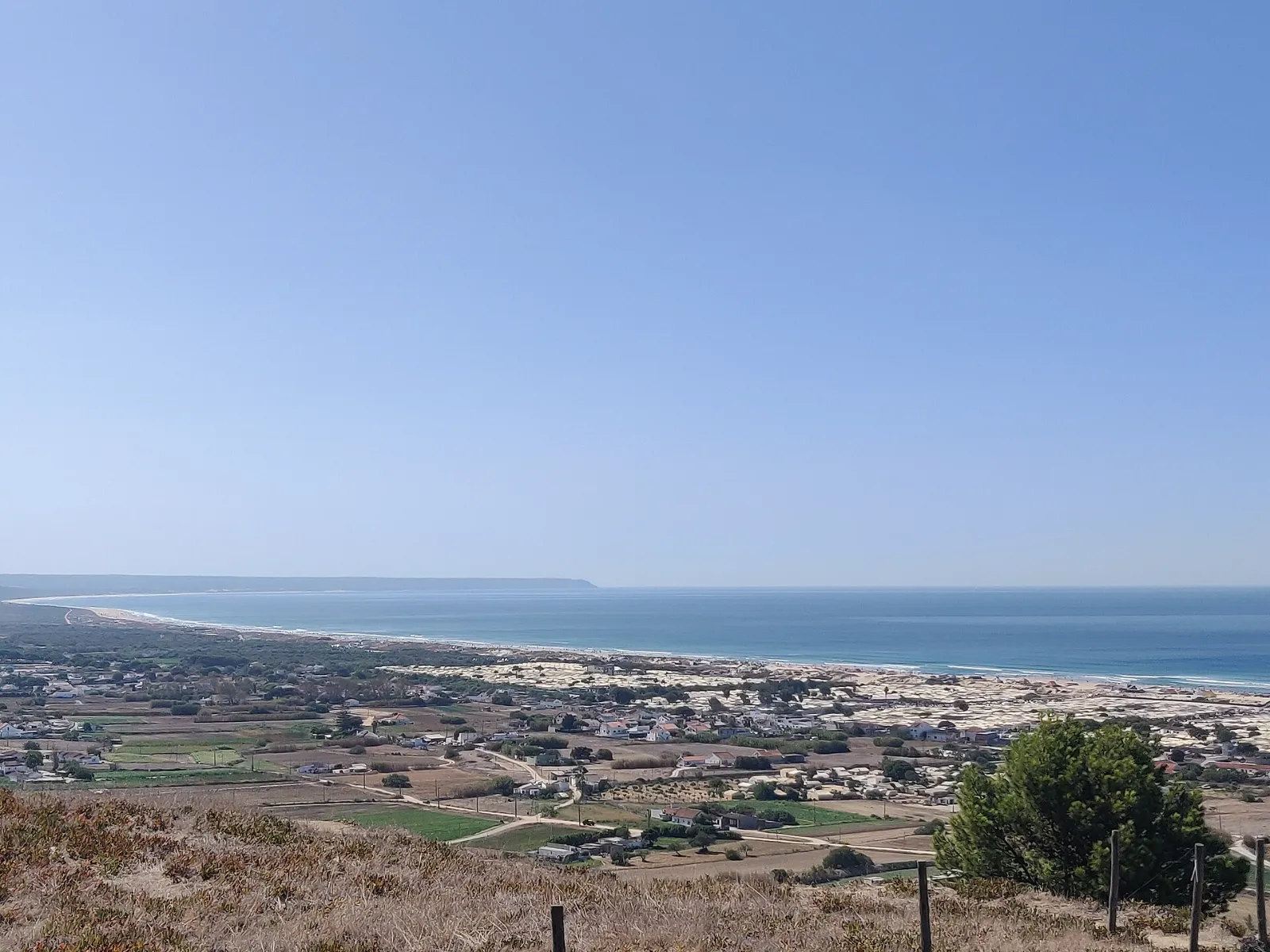
Santo António & Terras da Costa
Santo António and Terras da Costa sit away from the busiest central beachfront and provide a more local residential setting. Housing becomes more mixed here, with apartments, houses and lower-density streets replacing some of the centre's larger apartment blocks. The appeal is space and proximity to the coast while remaining close to Costa da Caparica's everyday services. A car becomes more useful depending on the exact property, particularly for households travelling regularly around Almada or Lisbon.
- Best suited for:
- Families, permanent residents and buyers wanting more residential surroundings
- Property styles:
- Apartments, houses, low-rise homes
- Price range:
- ~€3,500–€5,000+ per m²
Terras da Costa is part of the agricultural landscape behind the beachfront, a reminder that Costa da Caparica's identity has always included farming as well as fishing and the sea.
Costa da Caparica lifestyle score
Amount of Sunshine in Costa da Caparica
Quality of Life in Costa da Caparica
Costa da Caparica Investment Portfolio
Family Friendly
Walkability
Costa da Caparica property market overview
Market Strength in Costa da Caparica
Costa da Caparica attracts permanent residents, Lisbon commuters, surfers and second-home buyers seeking direct access to the Atlantic. Its established residential community, beachfront location and proximity to Lisbon support demand across older apartments, renovated homes and contemporary coastal developments.
Average Property Price in Costa da Caparica
Asking prices in Costa da Caparica rose by 6.5% year on year in September 2026, according to the dataset cited in the guide. Limited beachfront supply and Lisbon proximity support buyer interest, although future performance will depend on affordability, transport access and individual property characteristics.
Costa da Caparica Property Rentals
Costa da Caparica attracts both year-round tenants and seasonal visitors, supported by its proximity to Lisbon and extensive Atlantic beaches. In September 2026, asking rents averaged ~€17.81 per m² per month, up 3.1% year on year. Short-term rentals remain subject to applicable licensing regulations.
Long Term Growth
Costa da Caparica's asking prices increased by 6.5% year on year in September 2026. Its limited beachfront supply, proximity to Lisbon and established residential demand support long-term buyer interest. However, future performance will depend on affordability, transport connections and individual property characteristics.
Advantages of Costa da Caparica
- ·Direct access to extensive Atlantic beaches
- ·Lower entry price than Cascais
- ·Close to Lisbon's employment market
- ·Strong mix of permanent and seasonal demand
- ·New apartment development near the coast
Things to consider
- ·Bridge traffic can significantly change commute times
- ·No direct rail connection to central Lisbon
- ·Summer creates a major increase in visitors
- ·International-school choice is limited locally
- ·Property closest to the beach carries a growing premium
Is Costa da Caparica a good investment?
Costa da Caparica has several factors supporting buyer interest: a long Atlantic beachfront, proximity to Lisbon, a sizeable permanent community and property values that remain below Cascais. Recent price growth and new residential development also show that the area is increasingly being treated as part of Greater Lisbon's residential coast rather than simply a summer destination.
The counterpoint is that access to Lisbon depends heavily on roads and buses, and summer demand can make the centre feel very different from the rest of the year. Property quality also varies substantially between older apartment blocks and newer coastal developments, so building condition, parking, energy performance and precise distance from the beach all matter.
This overview is general market information rather than investment advice.
Portugal cost of living comparison
Estimated living costs for two adults in Costa da Caparica, based on a comfortable everyday lifestyle.
The biggest premium is housing near the beach, while everyday shopping and services retain more of a local south-bank character than Cascais.
Is Costa da Caparica safe?
Costa da Caparica is an established coastal community where normal precautions against opportunistic theft are advisable, particularly around busy beaches, car parks and central streets during the summer months. Residents and visitors should secure personal belongings and vehicles, especially in crowded areas.
Beach safety is particularly important along this exposed Atlantic coastline, where strong surf, currents and changing sea conditions can present hazards. Visitors should follow lifeguard instructions and beach warning flags, while residents considering a move may benefit from visiting their preferred neighbourhood outside the peak tourist season.
Schools near Costa da Caparica
Families in Costa da Caparica can use Portuguese schools locally, while the wider Almada area now also provides an international Cambridge option without requiring a daily journey across the Tagus.

Almada International School
Cambridge International Curriculum
1–13 years currently
Bilingual English and Portuguese
Almada

Escola Básica da Costa da Caparica
Portuguese National Curriculum
10–15 years
Portuguese, with foreign languages within the national curriculum
Costa da Caparica

Escola Secundária do Monte de Caparica
Portuguese National Curriculum
10–18 years
Portuguese, with foreign languages within the national curriculum
Monte da Caparica