

Your guide to Moving, Living, Buying & Investing in Sintra
Sintra is a hill town in the Serra de Sintra, about forty minutes by train from central Lisbon. It is also a huge municipality, with 385,606 residents at the 2021 census. Most of those residents live in dense suburbs along the railway, not in the palaces on the postcards. Compared with Cascais, it is cooler, greener and cheaper. Compared with Lisbon, it has more space, more trees and a slower pace.
It suits buyers who want Lisbon within reach but not on the doorstep. That includes families who want an international school close to home, remote workers who commute a few days a week, and people who want a garden, woodland and the Atlantic coast nearby. It also suits buyers with a smaller budget who accept a suburban apartment on the rail line.
The honest note: Sintra is two places. The historic centre is beautiful, steep and full of visitors. The commuter belt is an ordinary Lisbon-area suburb. Which one you are buying into matters more than anything else in this guide. The mountain also holds cloud and damp, so it is not as sunny as Lisbon.
Sintra Property Market
Strong, rising demand
Drive to the Airport
About 30 minutes from the centre
Average Property Price in Sintra
Asking €3,413 per m² (Jun 2026)
Pace of Life in Sintra
Quiet hills, busy commuter suburbs
Closest Airport to Sintra
Lisbon Humberto Delgado (LIS)
Cost of Living in Sintra
Below Lisbon, close to Porto
Sintra Climate
Cooler and mistier than Lisbon
Sintra Population
385,606 (municipality, 2021)
Region of Portugal
Lisbon region
Is Sintra a good place to live?
Sintra offers a distinctive combination of natural beauty, historic charm and convenient access to Lisbon. With its forested hills, coastal landscapes and varied residential neighbourhoods, it appeals to those seeking a quieter lifestyle while remaining connected to the capital.
Daily life varies across Sintra, from the picturesque historic centre and peaceful hillside communities to established residential areas along the railway. Whether prioritizing green surroundings, family amenities or transport connections, residents can find different lifestyles within the municipality.
What are the pros of living in Sintra
- Lisbon about 40 minutes by train
- Forest and Atlantic coast on the doorstep
- International schools in Linhó and Portela de Sintra
- Choice from rail-line flats to hillside quintas
- Lower prices per m² than central Lisbon
- UNESCO landscape and Natural Park setting
What are the cons of living in Sintra
- Crowds and parking pressure in the old town in summer
- Damp and mist on the Serra
- A car is needed outside the rail corridor
- Busy commuter trains at rush hour
- Holiday-let limits in parts of the municipality
- Asking prices up 15.2% in a year
Who enjoys living in Sintra?
Families, hybrid workers, remote workers, nature lovers, buyers priced out of Lisbon
Why do so many people choose Sintra to live?
Sintra offers something Lisbon and Cascais do not: real woodland, old quintas and sea air on the same commuter line, at a lower price per m². The rail link means a day in Lisbon is routine rather than an expedition.
The bigger draw is the setting. The Serra de Sintra sits inside the Sintra-Cascais Natural Park, so green space is protected, and the surrounding cultural landscape is UNESCO-listed. Few places this close to a capital city feel this far from it.
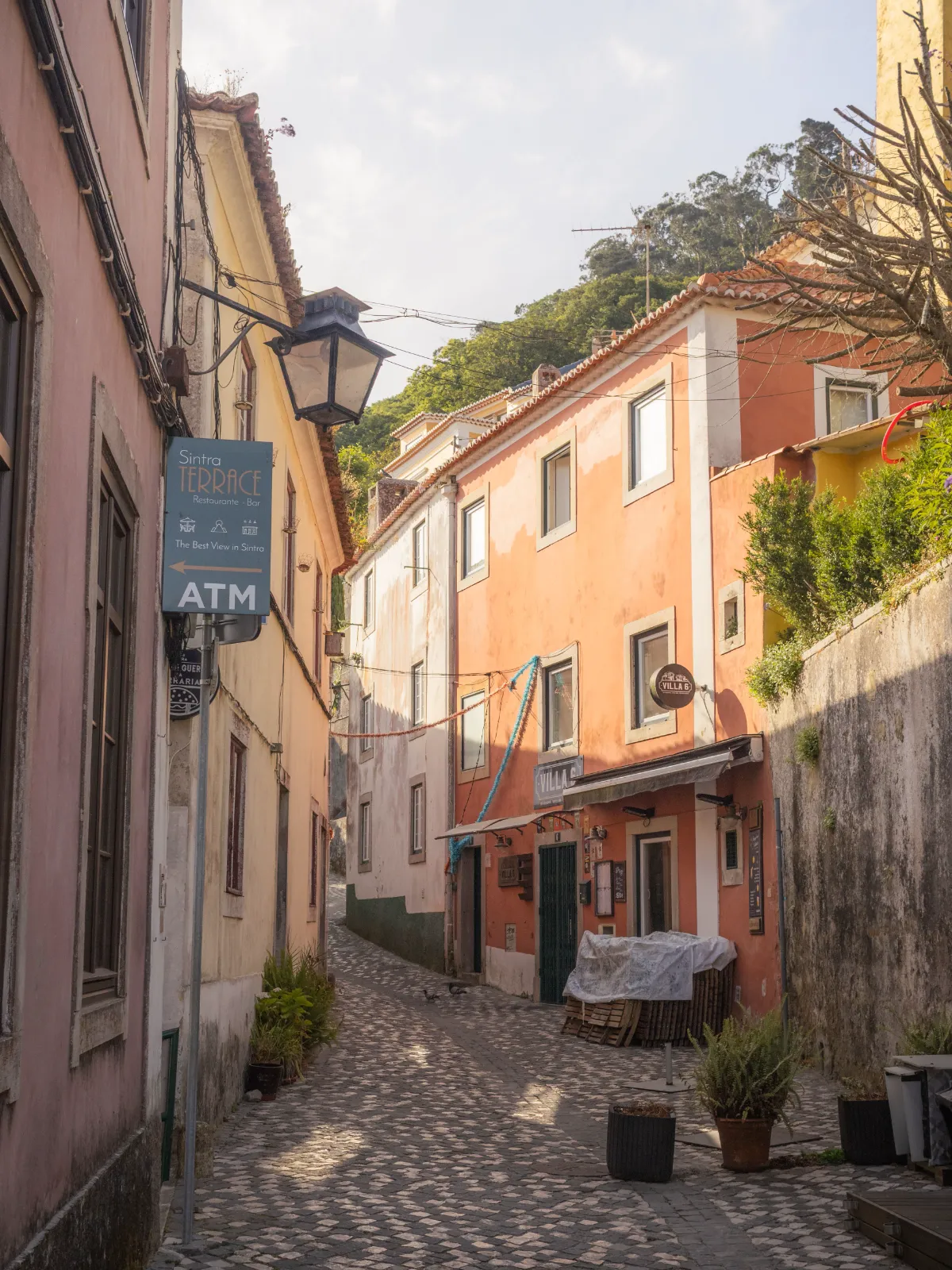
Sintra also benefits from:
- ·Direct trains to Rossio and Oriente in Lisbon
- ·International schools nearby
- ·Atlantic beaches on the western side of the municipality
- ·Golf communities in Belas and Quinta da Beloura
- ·A long-established foreign community
- ·Wine country around Colares
Many buyers choose Sintra because it gives them forest and sea with Lisbon still within reach. Visit in winter, on a weekday, on the train you would actually take.
Neighbourhoods nearby Sintra
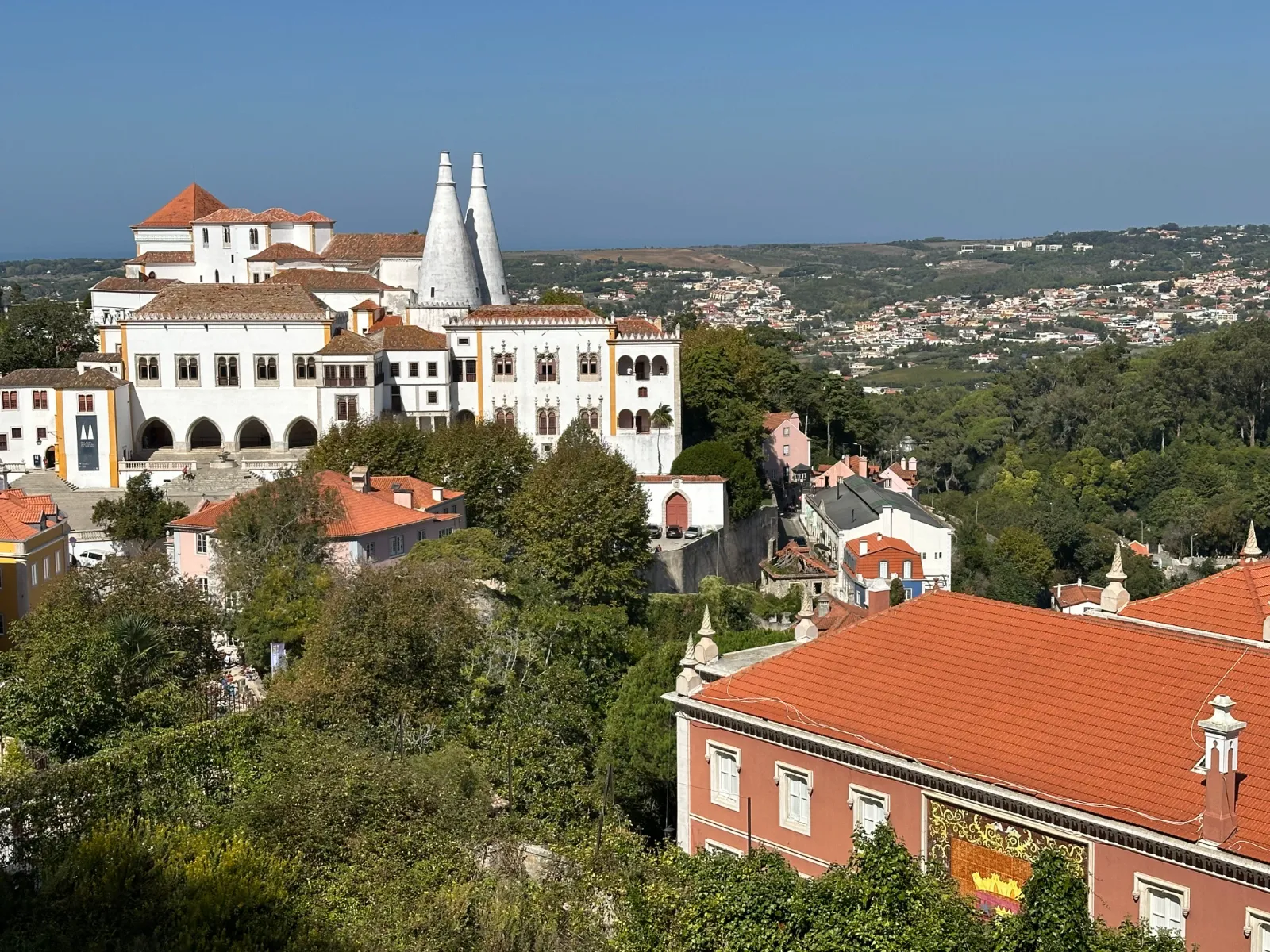
Vila de Sintra (historic centre)
The postcard Sintra, with steep lanes, palaces, cafés and the railway station within reach. Property is mostly period townhouses, village houses and quintas, and supply is limited because very little new building is possible in a heritage centre.
- Best suited for:
- Lifestyle buyers who want character and can live with visitors
- Property styles:
- Period townhouses, village houses, quintas, a few converted flats
- Price range:
- €3,600 to €6,400 per m²
The old town has two rhythms, and residents get the best of both. Mornings and evenings belong to the village, and the palaces and cafés are right there for the rest of the day. Visit at 11am in August and again at 7pm in March to see both.
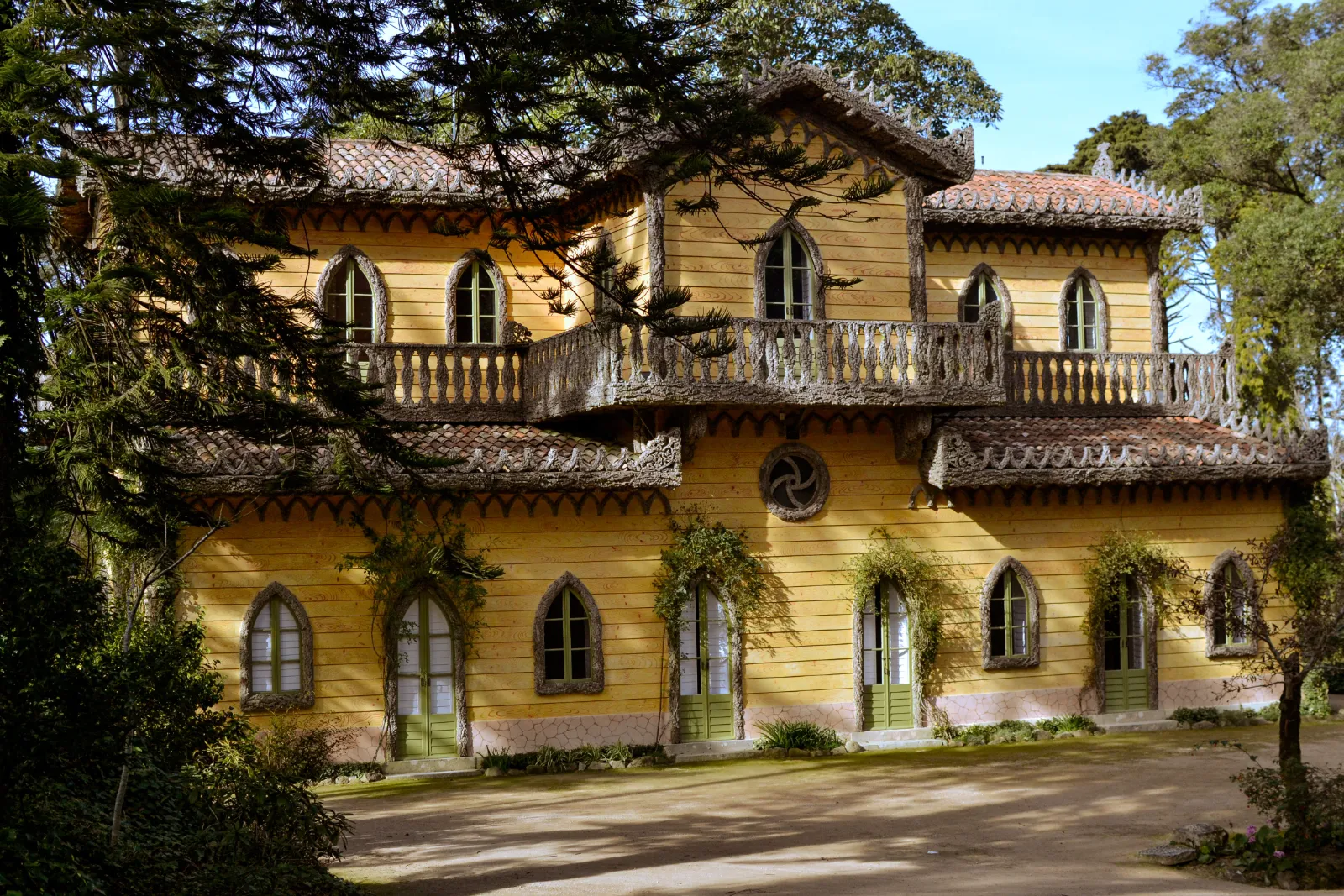
São Pedro de Sintra and Linhó
A characterful parish just outside the old town, with late 19th-century chalets, a well-known antiques and crafts market and the international school campuses nearby. Property is mostly period chalets, detached and semi-detached houses, with some apartment buildings.
- Best suited for:
- Families wanting an international school close by, and buyers who want heritage with more everyday practicality than the old town
- Property styles:
- Period chalets, detached and semi-detached houses, some apartment buildings
- Price range:
- €3,300 to €5,600 per m²
This is where school runs are short. TASIS Portugal's campus is on Alameda do Linhó in Penaferrim, and another international school is listed in Linhó. Walk or drive the street you like at drop-off time to see how it works for your family.
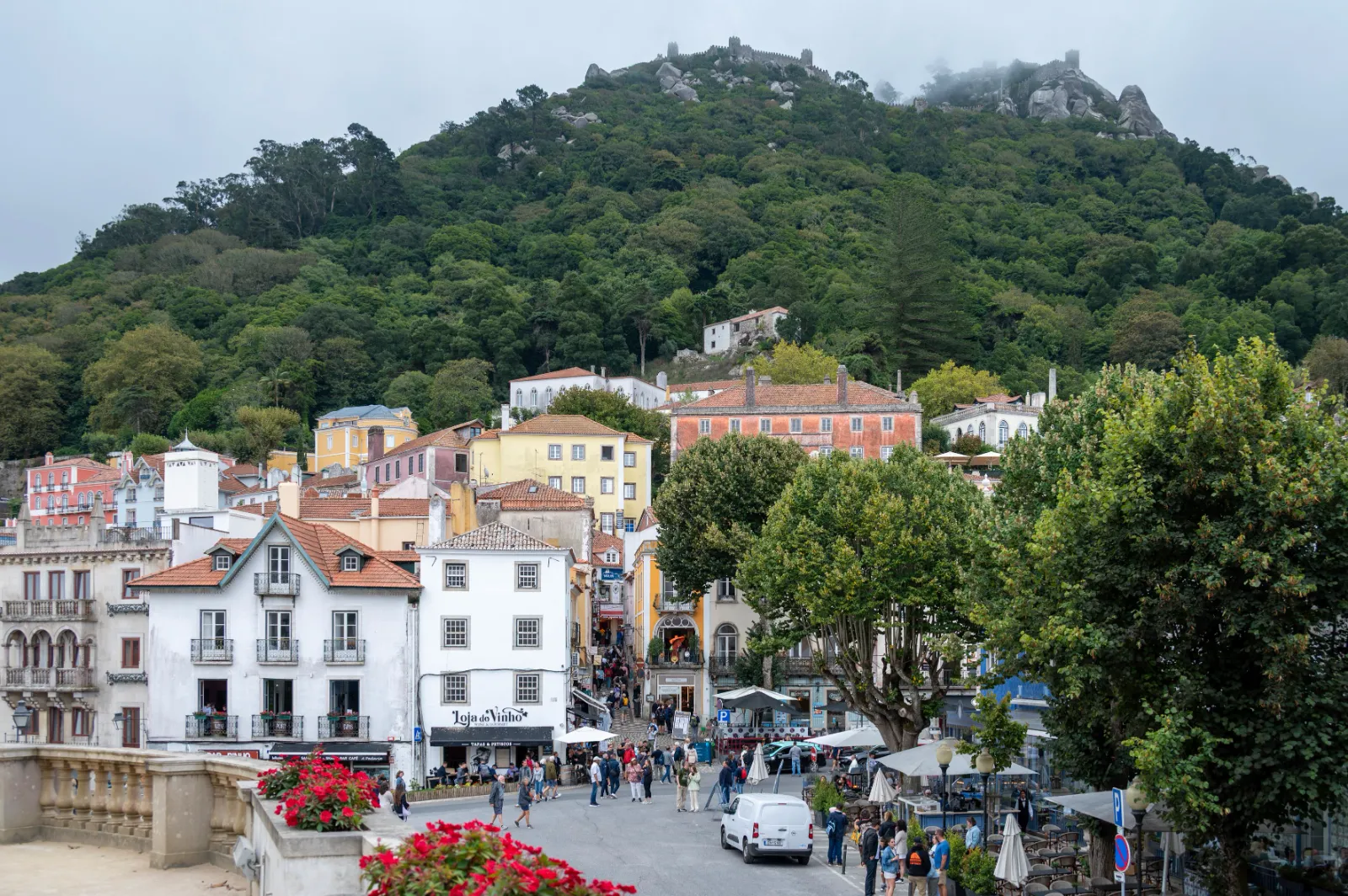
Colares and Azóia
The wilder western edge of the municipality, bordering the Sintra-Cascais Natural Park, with Atlantic beaches such as Praia Grande and Praia das Maçãs close by. Property is mostly village houses, quintas, clifftop plots and secluded estates, generally on larger plots than elsewhere in Sintra.
- Best suited for:
- Buyers who want space, sea views and quiet, and have a car
- Property styles:
- Village houses, quintas, clifftop villas, rural plots
- Price range:
- €5,300 to €6,100 per m²
Colares is known for its distinctive wine heritage, particularly its rare vineyards grown in sandy soils. Nearby Azóia offers access to Cabo da Roca, the westernmost point of mainland Europe, with spectacular Atlantic views and scenic coastal walking trails.
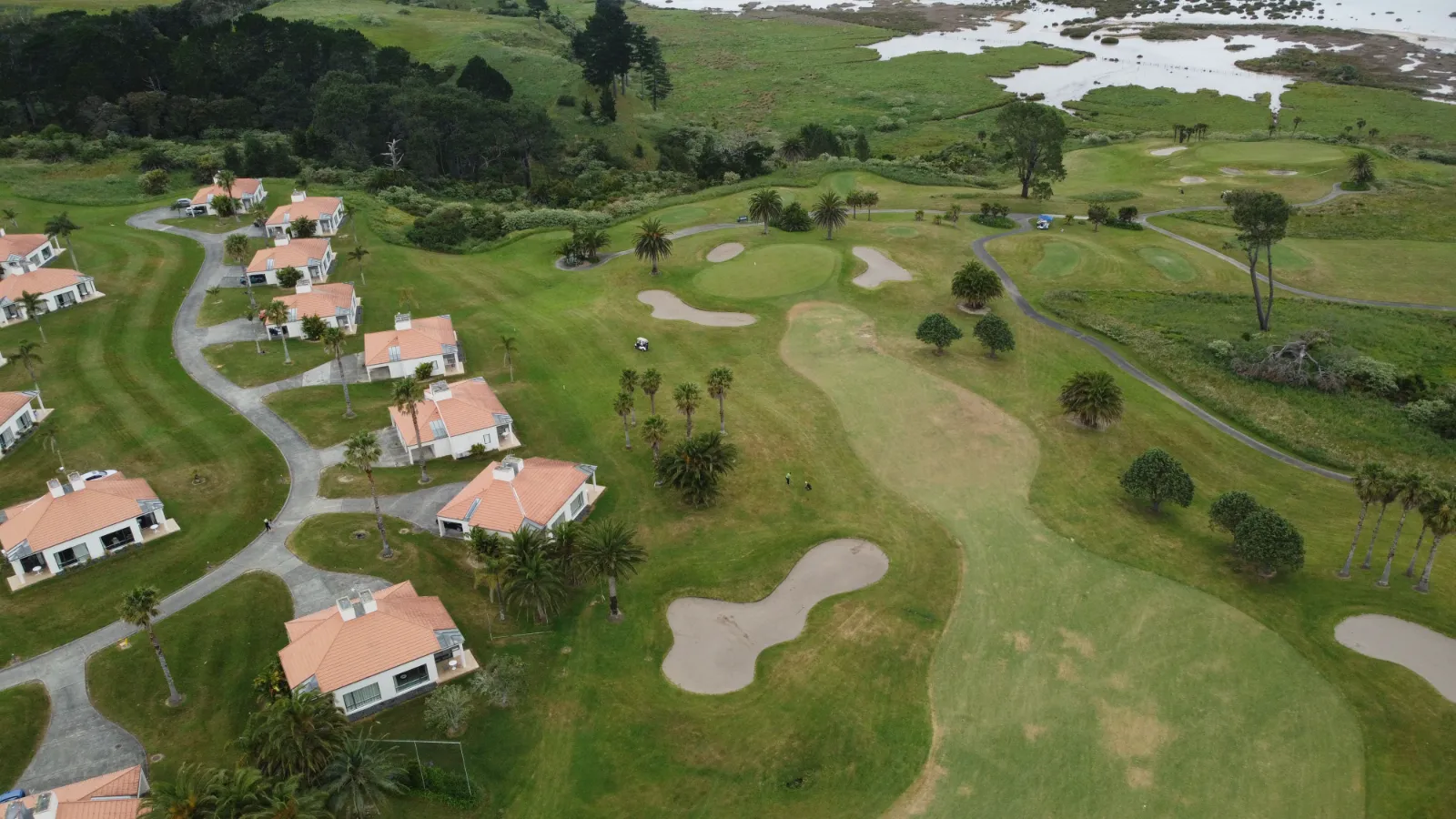
Belas and Quinta da Beloura
Modern gated communities and golf-course developments on the Lisbon-facing side of the municipality, with quick access to the A16 and A5 motorways. Property is mostly contemporary villas, townhouses and new-build apartments, and this is where much of Sintra's new-build is marketed.
- Best suited for:
- Families relocating from abroad, golf lovers and buyers who want new-build with quick Lisbon access
- Property styles:
- Contemporary villas, townhouses, new-build apartments
- Price range:
- €3,900 to €5,400 per m² for resale, €5,700 to €8,300 per m² for new-build
Belas and Quinta da Beloura are known for their established golf communities, landscaped residential developments and convenient access to Lisbon. Nearby international schools, leisure facilities and modern housing options make these areas particularly appealing to families and international residents.
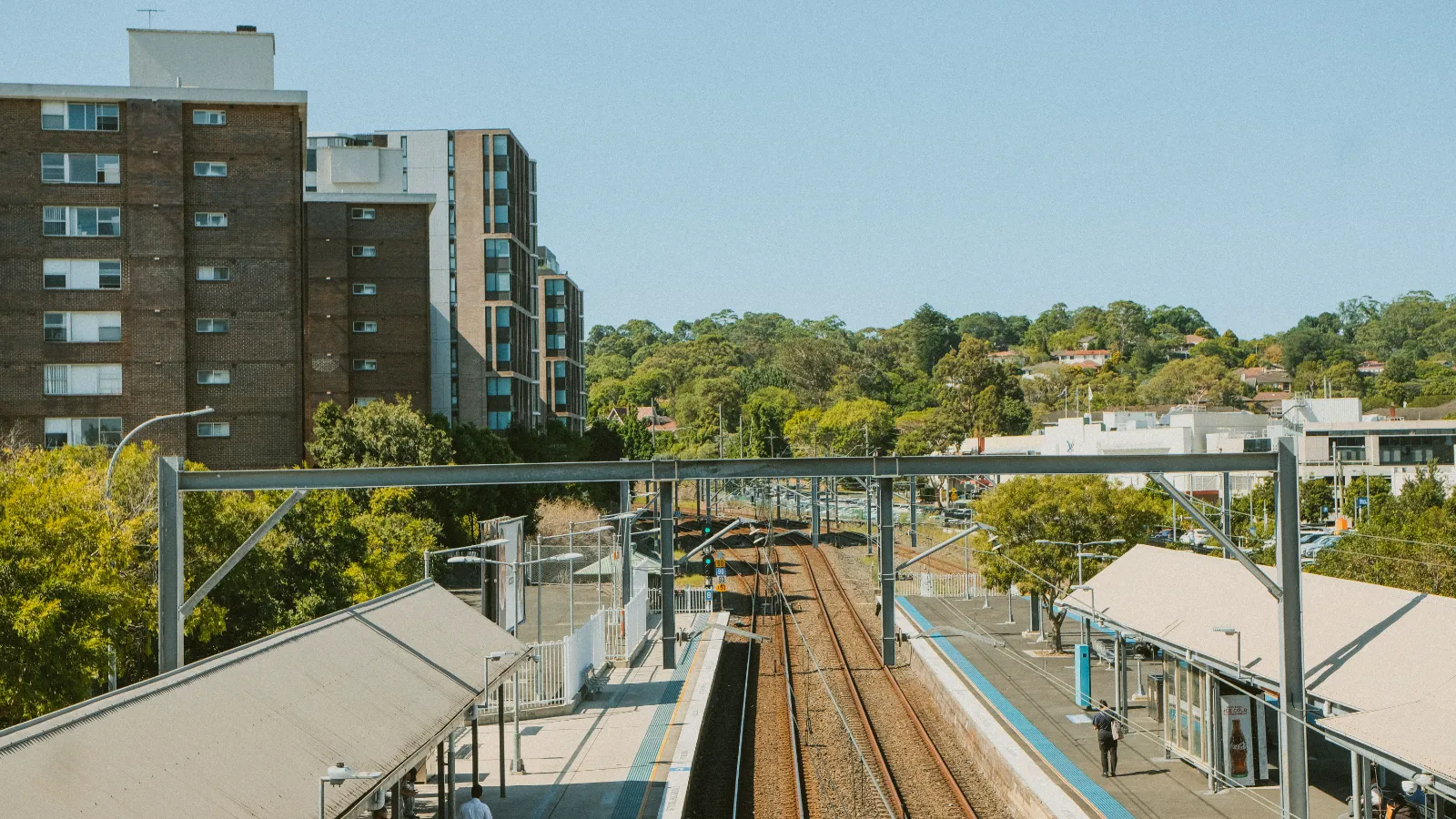
Agualva and Mira Sintra
The dense, urban side of Sintra on the Linha de Sintra, where most of the municipality's everyday housing sits. Property is mostly apartment blocks, with terraced and detached houses.
- Best suited for:
- Commuters and first-time buyers who want the lowest entry price and a direct train
- Property styles:
- Apartment blocks, terraced and detached houses
- Price range:
- €3,200 to €3,700 per m²
The train line is what makes this area work. Sintra to Oriente services run every 10 minutes at weekday rush hour, so a home within a short walk of the station gives you the easiest Lisbon commute in the municipality.
Sintra lifestyle score
Amount of Sunshine in Sintra
Quality of Life in Sintra
Sintra Investment Portfolio
Family Friendly
Walkability
Sintra property market overview
Market Strength in Sintra
Sintra benefits from strong residential demand, supported by its large population and direct rail connections to Lisbon. Limited supply in desirable areas helps sustain interest, while Belas and Quinta da Beloura attract buyers seeking modern developments.
Average Property Price in Sintra
Average asking prices reached ~€3,413 per m², compared with a median transaction price of ~€2,908 per m² in Q1 2026. Prices vary significantly, with premium coastal areas and new developments commanding higher values.
Sintra Property Rentals
Rental asking prices averaged ~€13.9 per m² per month, supported by demand from residents commuting to Lisbon. Short-term rentals are subject to local regulations, with restrictions applying in certain areas of the municipality.
Long Term Growth
Sintra's established transport links, growing population and limited development space support long-term housing demand. New residential supply is expected to remain concentrated in areas such as Belas and Quinta da Beloura.
Advantages of Sintra
- ·Lower entry price per m² than Lisbon and Cascais
- ·Deep, liquid market with many sales a year
- ·Rail link to Lisbon
- ·Demand from families drawn by international schools
- ·Protected setting that limits overbuilding
Things to consider
- ·Asking prices have risen fast
- ·Holiday-let rules are tightening
- ·Protected land limits new supply and alterations
- ·Quality varies sharply between old town, coast and commuter belt
- ·Damp and mist on the Serra
- ·Car recommended outside the rail corridor
Is Sintra a good investment?
Sintra has real strengths: a large and active market, a rail link into Lisbon, demand from families and lower entry prices than the capital.
The counterpoints are that asking prices have already risen fast, that short-let rules are tightening, that protected-area limits affect what can be built or altered, and that rents have moved little (annual change of +1.0% to October 2025). Past rises do not guarantee future returns. This is not investment advice, and a property should be judged against your own goal and holding period.
This overview is general market information rather than investment advice.
Portugal cost of living comparison
How Sintra compares with four other places buyers often consider.
Scores are relative guides, not price data. Costs vary by street.
Is Sintra safe?
Sintra is generally considered a safe place to live, although safety conditions can vary between areas, as in any large municipality. Most day-to-day activities can be carried out with normal precautions.
Petty theft, including pickpocketing, can occur around popular tourist attractions and on crowded public transport. Break-ins to parked vehicles are also a consideration in busy visitor areas. Keeping personal belongings secure and valuables out of sight is advisable.
Schools near Sintra
Sintra has several international schools, clustered around Linhó and Portela de Sintra. Three are listed here. Check curriculum, fees and places directly with each school.

Carlucci American International School of Lisbon (CAISL)
American and IB
3 to 18
English
Linhó, Sintra

TASIS Portugal
Core Knowledge, Singapore Math, Cambridge IGCSE, IB Diploma
Pre-kindergarten to Grade 12
English
Alameda do Linhó 6, Penaferrim

Prime School Sintra
Cambridge Primary and Lower Secondary
3 to 14, up to Year 9
English and Portuguese
Rua Mestre Neves 20, Portela de Sintra