
Your guide to Moving, Living, Buying & Investing in Evora
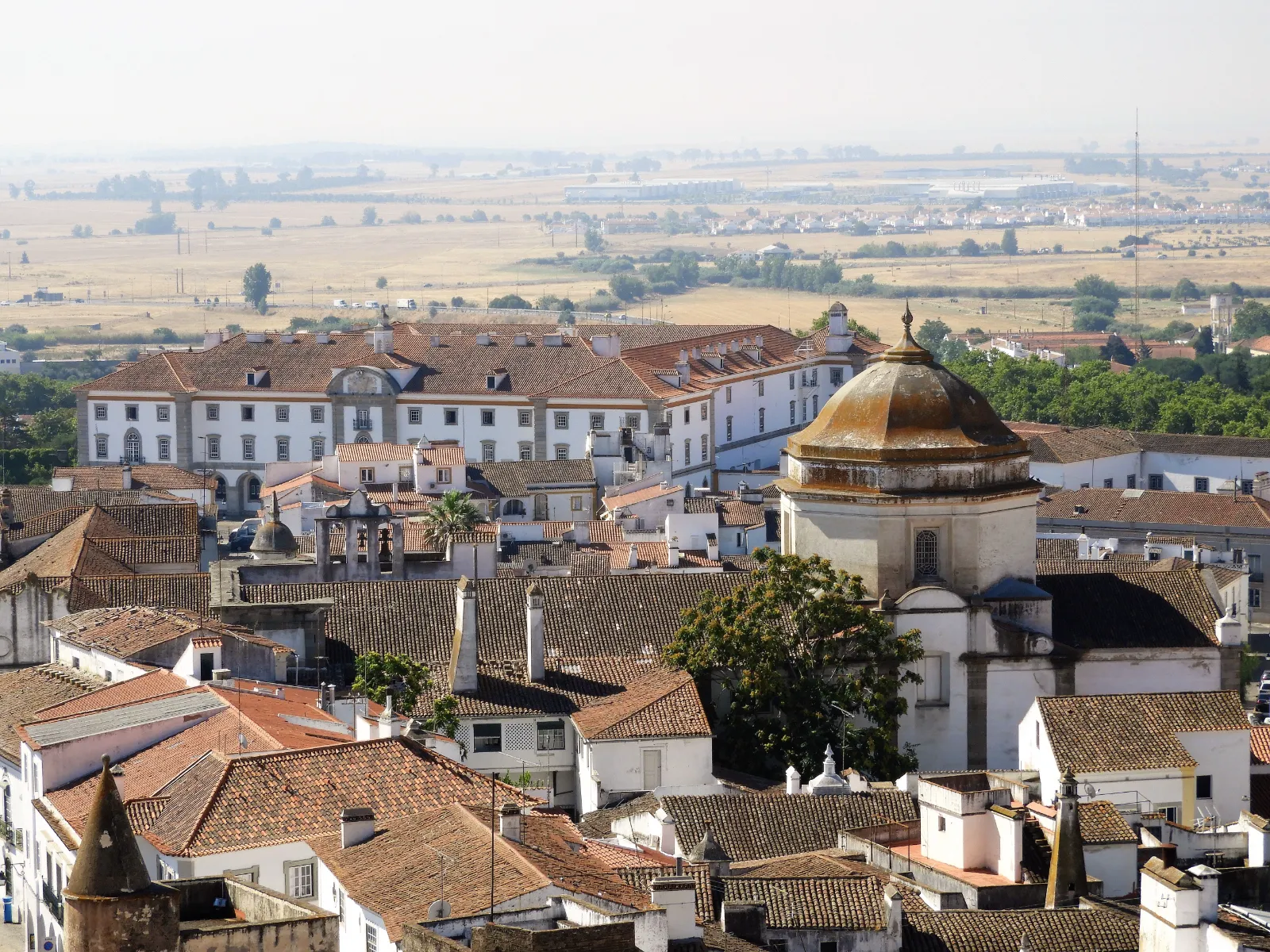
Évora is the Alentejo's regional capital and its strongest year-round city market: a UNESCO World Heritage city with a major university, regional healthcare, rail links to Lisbon and a functioning local economy surrounded by vineyards, cork-oak landscapes and agricultural estates. Where Comporta commands a coastal luxury premium and Estremoz offers a much smaller historic-town market, Évora provides something different: the infrastructure of a regional city within one of Portugal's most significant historic settings.
Property prices reflect that position. Évora city reached an asking average of ~€2,865 per m² in September 2026, above the ~€2,688 municipality-wide average and considerably above smaller inland Alentejo markets such as Estremoz. The premium is strongest for renovated homes inside or close to the historic centre and good modern apartments, while outer residential areas and properties requiring work provide a broader range of entry points.
Evora Property Market
Strong inland regional market
Drive to the Airport
~1 hr 30 min
Average Property Price in Evora
~€2,000 to €3,500+ per m²
Pace of Life in Evora
Historic, academic and unhurried
Closest Airport to Evora
Lisbon Humberto Delgado International Airport (LIS)
Cost of Living in Evora
Below Lisbon and the coast
Evora Climate
Mediterranean climate with very hot, dry summers and cool winters.
Evora Population
~53,600 (municipality)
Region of Portugal
Alentejo Central
Is Evora a good place to live?
Évora offers more everyday infrastructure than most inland Alentejo locations. The university brings students, academics and cultural activity into the city, while shops, restaurants, healthcare and public services make it possible to live here year-round without relying on tourism. The historic centre is particularly walkable, and Lisbon remains accessible by both road and rail.
The compromises are mainly those of inland living. Summers can be extremely hot, there is no nearby beach, international-school choice is limited and the employment market is considerably smaller than Lisbon or Porto. A car also becomes increasingly useful once you move beyond the compact central neighbourhoods.
What are the pros of living in Evora
- UNESCO-listed historic centre
- University city with year-round activity
- Direct rail connection to Lisbon
- Strong regional healthcare and services
- Excellent food and wine culture
- Lower housing costs than Lisbon and prime coastal markets
What are the cons of living in Evora
- Very hot inland summers
- Limited international-school choice
- No nearby coastline
- Smaller employment market than Lisbon or Porto
- Car becomes useful outside central neighbourhoods
Who enjoys living in Evora?
Families, academics, university staff, remote workers, retirees, history lovers and buyers wanting a genuine Alentejo city rather than an isolated rural property
Why do so many people choose Evora to live?
Évora offers a level of independence that smaller Alentejo towns cannot. Residents have a university, hospital, schools, shops, restaurants, cultural venues and rail connections within the city, while vineyards and open countryside begin only a short distance beyond the urban area. It gives buyers the Alentejo lifestyle without requiring them to give up the practical advantages of a regional centre.
Its history is another major distinction. Roman, medieval and Renaissance architecture is part of everyday life rather than confined to one monument, and the university keeps the centre active with a younger population alongside long-established local residents.
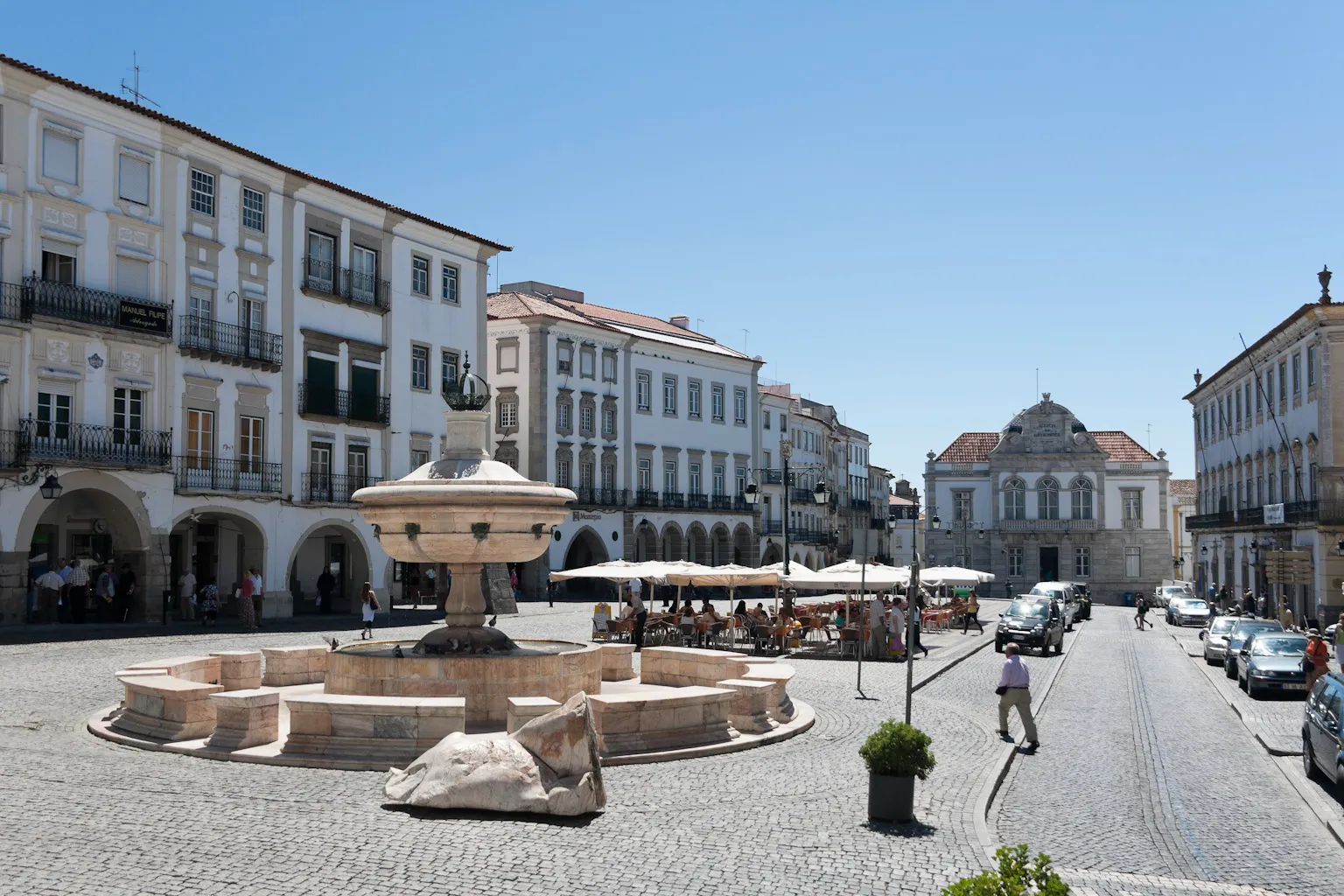
Evora also benefits from:
- ·University of Évora
- ·Direct rail services to Lisbon
- ·Major regional healthcare
- ·Alentejo vineyards and wineries
- ·UNESCO World Heritage status
- ·Easy access to surrounding countryside
The University of Évora was founded in 1559 as Portugal's second university. It was closed following the expulsion of the Jesuits in 1759 and eventually re-established in the 20th century, giving the city an academic history spanning more than four centuries.
Neighbourhoods nearby Evora
Historic Centre
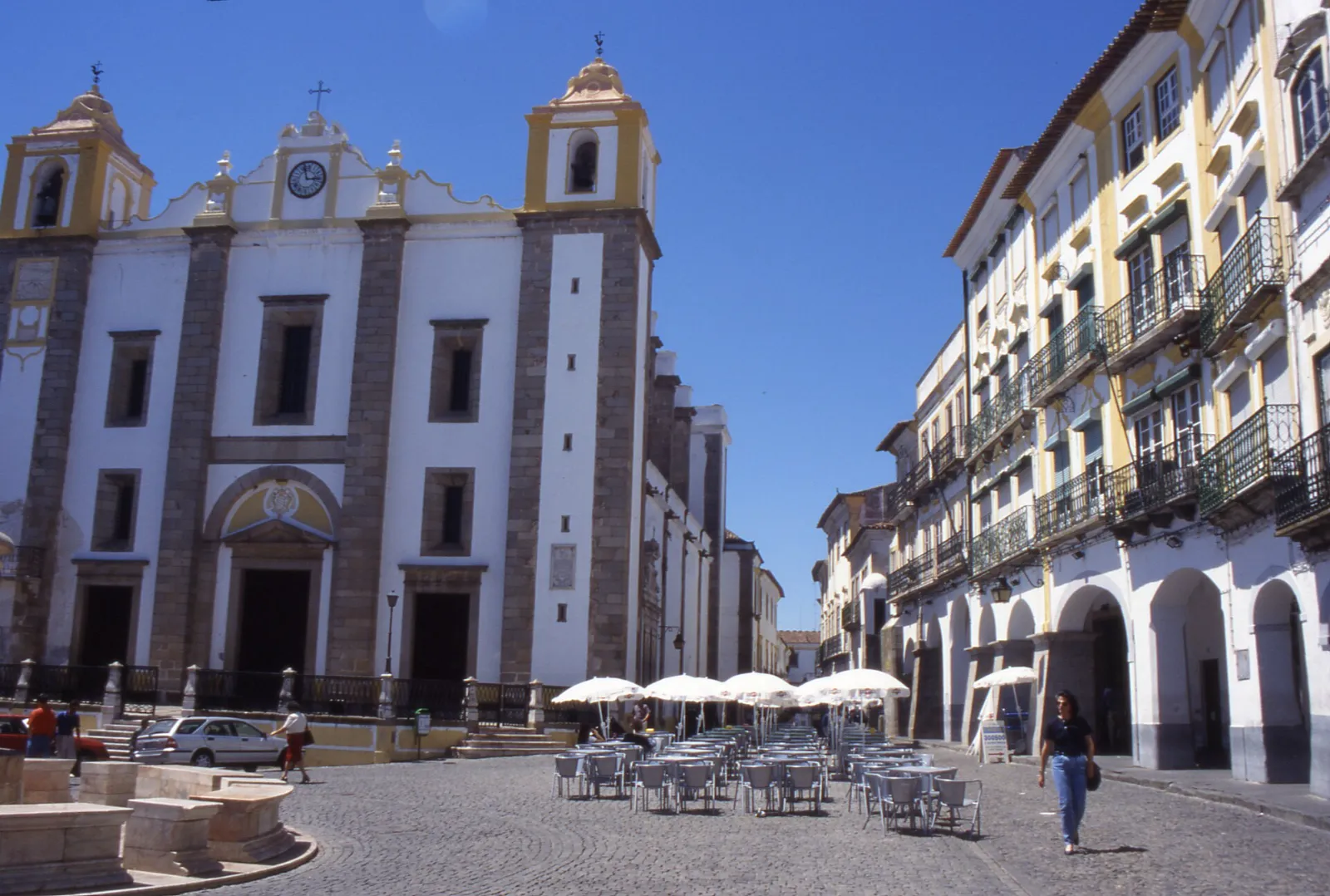
Living inside Évora's walls puts the Roman Temple, Praça do Giraldo, cathedral, university buildings, restaurants and much of the city's cultural life within walking distance. Narrow streets, whitewashed façades and centuries-old buildings give this part of Évora a character that newer neighbourhoods cannot reproduce. Property is dominated by traditional townhouses, apartments and renovated historic buildings rather than large new developments. Condition varies considerably, making a fully restored home very different from a property requiring structural or heritage-sensitive renovation.
- Best suited for:
- Walkability, historic homes, academics, couples and renovation buyers
- Property styles:
- Traditional townhouses, apartments, historic homes, renovated period properties
- Price range:
- ~€2,500–€4,200+ per m²
Évora's Roman Temple was probably dedicated to the imperial cult rather than Diana, as it was traditionally called, and was even used as a municipal butcher's shop before its 19th-century restoration.
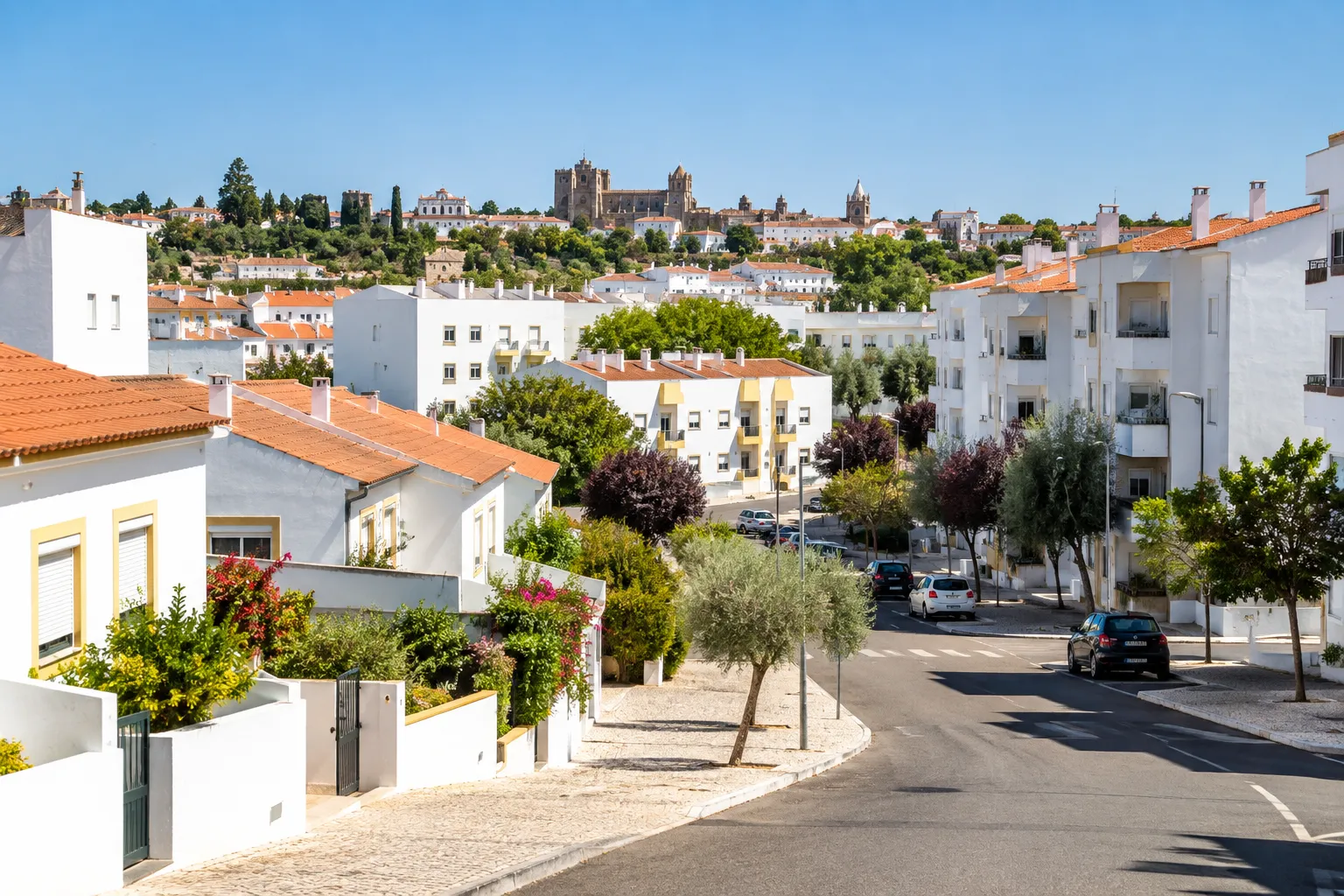
Malagueira & Horta das Figueiras
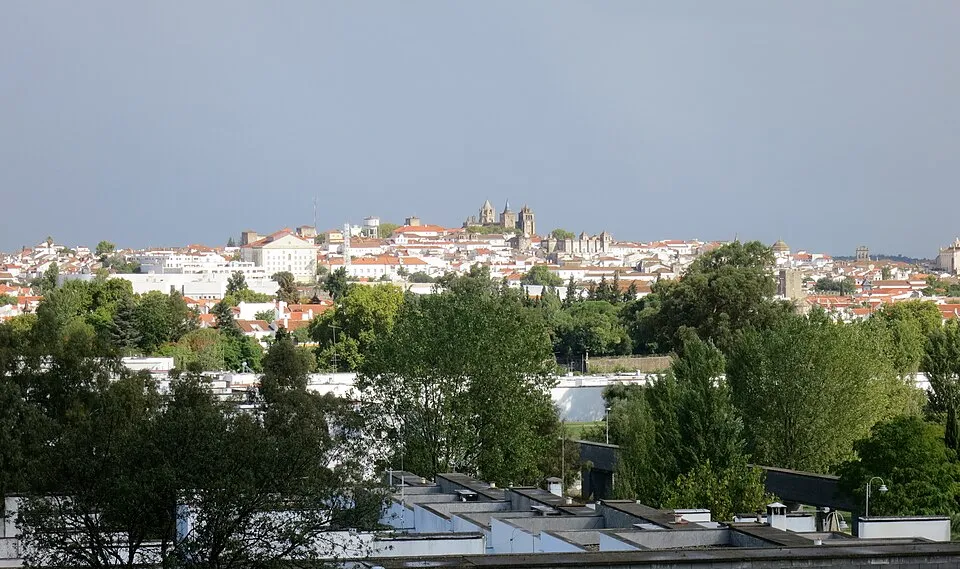
West and south-west of the historic centre, Malagueira and Horta das Figueiras provide a more residential alternative to living within the walls. Apartments, houses, schools and everyday services make this part of Évora particularly practical for permanent households. The area offers easier parking, more modern layouts and a greater chance of outdoor space than the historic centre. It is less visitor-focused and more residential, making it particularly useful for families managing everyday routines by car.
- Best suited for:
- Families, permanent residents, professionals and practical city living
- Property styles:
- Apartments, terraced houses, detached homes, modern residential buildings
- Price range:
- ~€2,000 to €3,000+ per m²
Malagueira is internationally known for Álvaro Siza's Bairro da Malagueira housing project, giving this otherwise residential part of Évora an important place in modern Portuguese architecture.
Bacelo & Senhora da Saúde
North and east of the historic core, Bacelo and Senhora da Saúde provide established residential neighbourhoods with easier road access and a broader mix of housing than the protected centre. The atmosphere is more everyday Évora than visitor-focused historic city. Apartments, houses and newer residential buildings make this a practical area for families and permanent residents. Buyers generally gain easier parking and more conventional floor plans while remaining close to central Évora's services and employment.
- Best suited for:
- Families, professionals, permanent residents and buyers wanting more space
- Property styles:
- Apartments, detached houses, townhouses, newer residential properties
- Price range:
- ~€2,000 to €3,100+ per m²
Bacelo and Senhora da Saúde sit close enough to the historic centre for residents to use central Évora regularly while retaining the more spacious layout of the city's outer residential neighbourhoods.
Evora lifestyle score
Amount of Sunshine in Evora
Quality of Life in Evora
Evora Investment Portfolio
Family Friendly
Walkability
Evora property market overview
Market Strength in Evora
Évora benefits from year-round housing demand supported by its university, regional employment, healthcare and public services. Its UNESCO-listed centre and surrounding countryside also attract buyers seeking historic properties, modern apartments and Alentejo living.
Average Property Price in Evora
Asking prices averaged ~€2,865 per m² in Évora city and ~€2,688 municipality-wide in September 2026. Renovated historic homes and modern apartments can command premiums, while outer residential areas offer more varied entry points.
Evora Property Rentals
Rental demand comes from university students, academic staff, healthcare workers, local households and professionals. This provides a year-round market beyond tourism, although demand and achievable rents vary between student accommodation and conventional family homes.
Long Term Growth
Municipality-wide asking prices rose by 10.7% between September 2025 and September 2026, reaching ~€2,688 per m². Growth varies between the historic city and wider municipality, so past increases should not be treated as a forecast.
Advantages of Evora
- ·Strong regional city market in inland Alentejo
- ·University-supported year-round housing demand
- ·UNESCO-listed historic centre
- ·Direct rail connection to Lisbon
- ·Regional healthcare and employment base
- ·Limited new construction inside the protected historic core
Things to consider
- ·Historic properties may require specialist renovation
- ·International-school choice is limited
- ·New-build supply inside the walls is very restricted
- ·Summer temperatures can be extreme
- ·Smaller employment market than Lisbon or Porto
Is Evora a good investment?
Évora has several characteristics that distinguish it from smaller inland markets. The university, healthcare sector, public administration and permanent local population create housing demand throughout the year, while UNESCO status and limited development within the historic core constrain the supply of comparable character properties. Recent asking-price growth also shows continued buyer demand.
The counterpoint is that Évora should not be treated as a high-yield shortcut simply because prices remain below Lisbon. Historic properties can require expensive renovation, the rental market varies substantially between student accommodation and conventional family housing, and recent price growth should not automatically be projected forward.
This overview is general market information rather than investment advice.
Portugal cost of living comparison
Estimated living costs for two adults in Évora, based on a comfortable everyday lifestyle.
Housing remains considerably cheaper than Lisbon or Cascais, although Évora commands a premium over many smaller inland Alentejo towns because of its university, services and regional importance.
Is Evora safe?
Évora has the everyday character of a regional university city rather than a large metropolitan centre. Its historic core remains active with residents, students, businesses and visitors, while outer neighbourhoods are predominantly residential.
Normal precautions still apply around busy tourist areas, nightlife, parked vehicles and personal belongings. Buyers should assess the immediate street and surroundings of a property rather than relying on a general city-wide reputation.
Schools near Evora
Évora has one of the stronger education offerings in inland southern Portugal, with Portuguese public and private schooling from early years through secondary level and the University of Évora providing a major higher-education presence.

Salesianos de Évora
Portuguese National Curriculum
Creche to 18 years
Portuguese, with foreign languages within the curriculum
Évora

Escola Secundária Gabriel Pereira
Portuguese National Curriculum
~15 to 18 years
Portuguese, with foreign languages within the national curriculum
Évora

Escola Secundária André de Gouveia
Portuguese National Curriculum
~13–18 years
Portuguese, with foreign languages within the national curriculum
Évora