
Your guide to Moving, Living, Buying & Investing in Braga
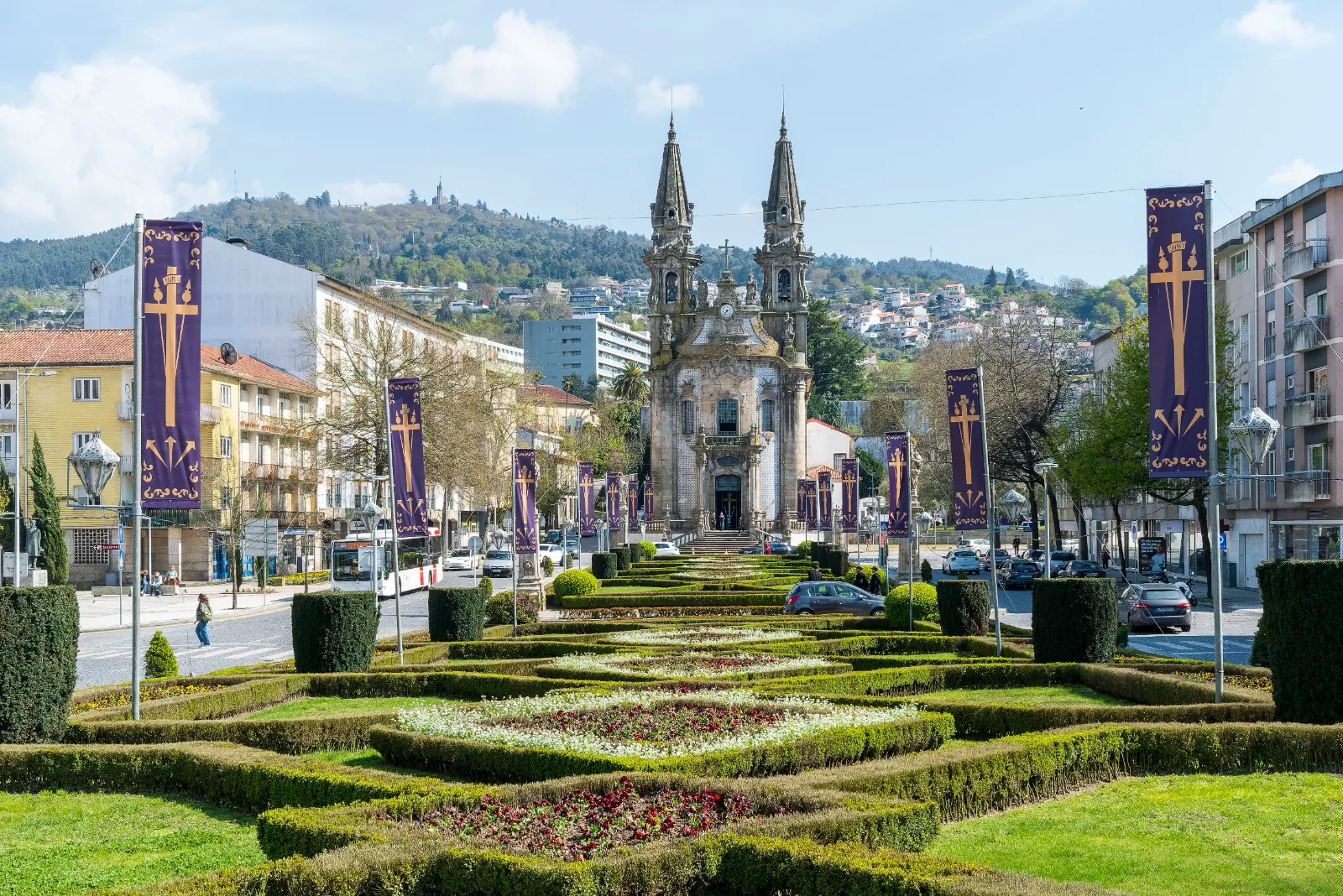
Located in northern Portugal, Braga is one of the country's oldest cities, with origins dating back to Roman Bracara Augusta. Its historic centre combines centuries-old churches, pedestrianised streets and traditional squares, while the University of Minho brings a younger, contemporary atmosphere to this important regional city.
Braga's residential areas extend beyond the historic centre into neighbourhoods such as Gualtar, Nogueira and Ferreiros, offering everything from renovated apartments to contemporary developments and family houses. Its established services, university community and connections to Porto attract families, professionals, students and buyers seeking a lively city with access to northern Portugal's countryside.
Braga Property Market
Growing northern city market
Drive to the Airport
~40–50 minutes
Average Property Price in Braga
~€1,800–€3,500+ per m²
Pace of Life in Braga
Lively centre, calmer outskirts
Closest Airport to Braga
Porto Francisco Sá Carneiro International Airport
Cost of Living in Braga
Below Porto and Lisbon
Braga Climate
Green hills, crisp rain, bright summers
Braga Population
~212,600 (municipality)
Region of Portugal
Norte
Is Braga a good place to live?
Braga works particularly well for people who want the services and energy of a real city without the scale of Porto or Lisbon. The historic centre is compact, shopping and healthcare are well established, and the University of Minho gives parts of the city a noticeably younger rhythm.
Where you live changes the experience considerably. Central Braga suits people who value walking and city life, while areas further east and south offer more space, newer housing and a more residential setting. The main compromise is geography: Braga is inland, winters are wetter than much of southern Portugal, and regular international travel usually means using Porto Airport.
What are the pros of living in Braga
- Walkable historic centre with lively squares and pedestrian streets
- Established residential communities suited to year-round living
- Varied dining scene, from traditional Minho cuisine to contemporary restaurants
- Active cultural calendar and a youthful university atmosphere
- Choice between central apartments and quieter family neighbourhoods
- Green surroundings and opportunities for outdoor recreation
What are the cons of living in Braga
- Wetter winters than central and southern Portugal
- No beach within the city
- Porto Airport requires a road or public transport journey
- Traffic builds on some major approaches at peak times
- Some outer residential areas are considerably easier with a car
Who enjoys living in Braga?
Families, students, professionals, remote workers, history lovers and buyers wanting a smaller northern city
Why do so many people choose Braga to live?
Braga offers many of the things people normally look to a larger Portuguese city for, including universities, hospitals, shopping, culture and restaurants, but on a more manageable scale. Its pedestrianised historic centre also means a surprising amount of everyday life can happen on foot.
The city's age gives daily life another dimension. Braga developed from Roman Bracara Augusta, and traces of that history remain scattered through the modern city. At the same time, the university and growing residential population stop the centre from feeling like a heritage attraction designed mainly for visitors.
Braga also benefits from:
- ·University of Minho and its academic and research facilities
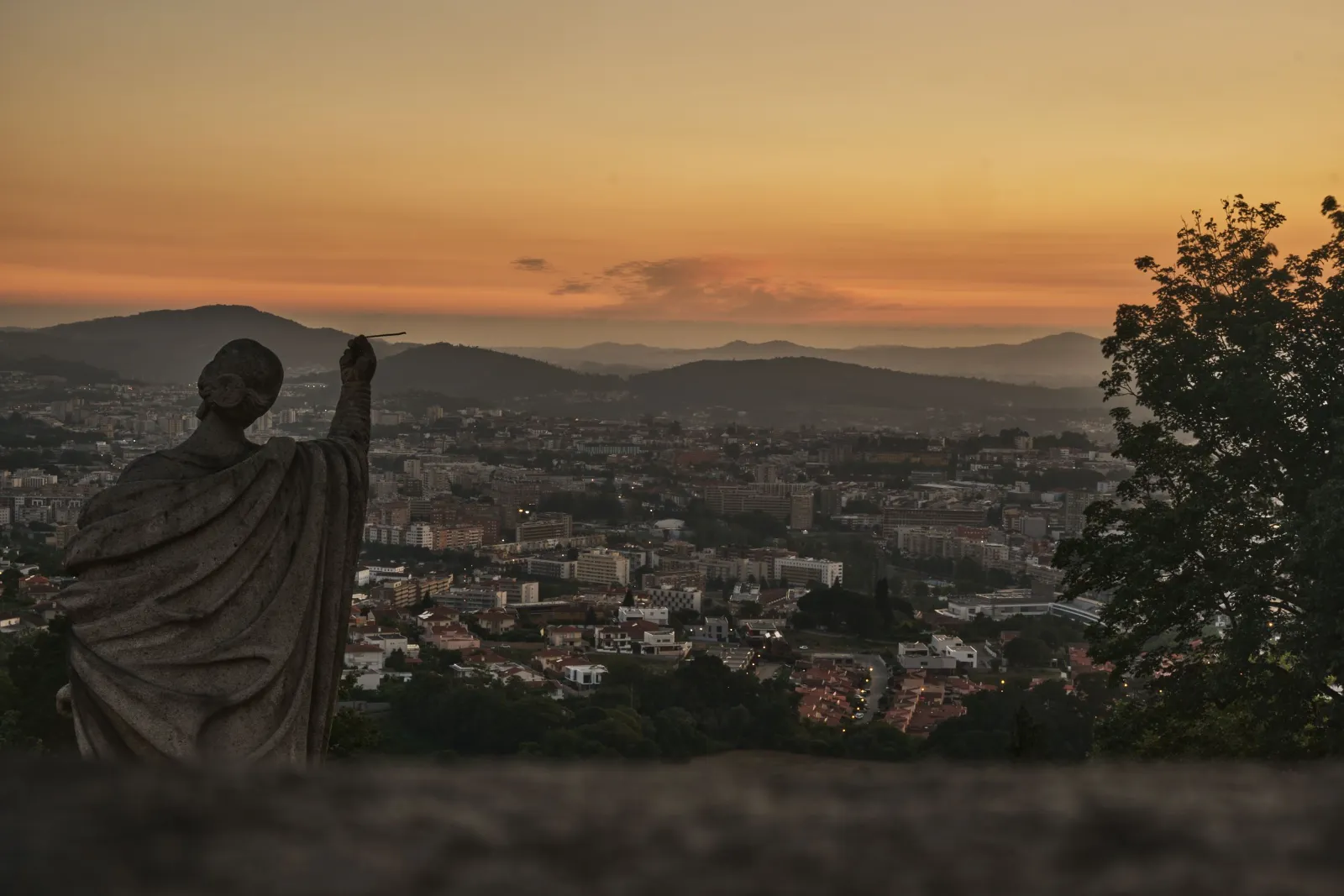
- ·Bom Jesus do Monte UNESCO World Heritage Site and historic funicular
- ·Braga railway station with connections across northern Portugal
- ·Hospital de Braga and established healthcare facilities
- ·Parque da Ponte and its landscaped gardens
- ·Braga Municipal Stadium and major sporting facilities
- ·Museu dos Biscainhos and the city's cultural heritage institutions
Braga's appeal comes from being both one of Portugal's oldest cities and a place that still feels young, lived-in and very much in motion.
Neighbourhoods nearby Braga
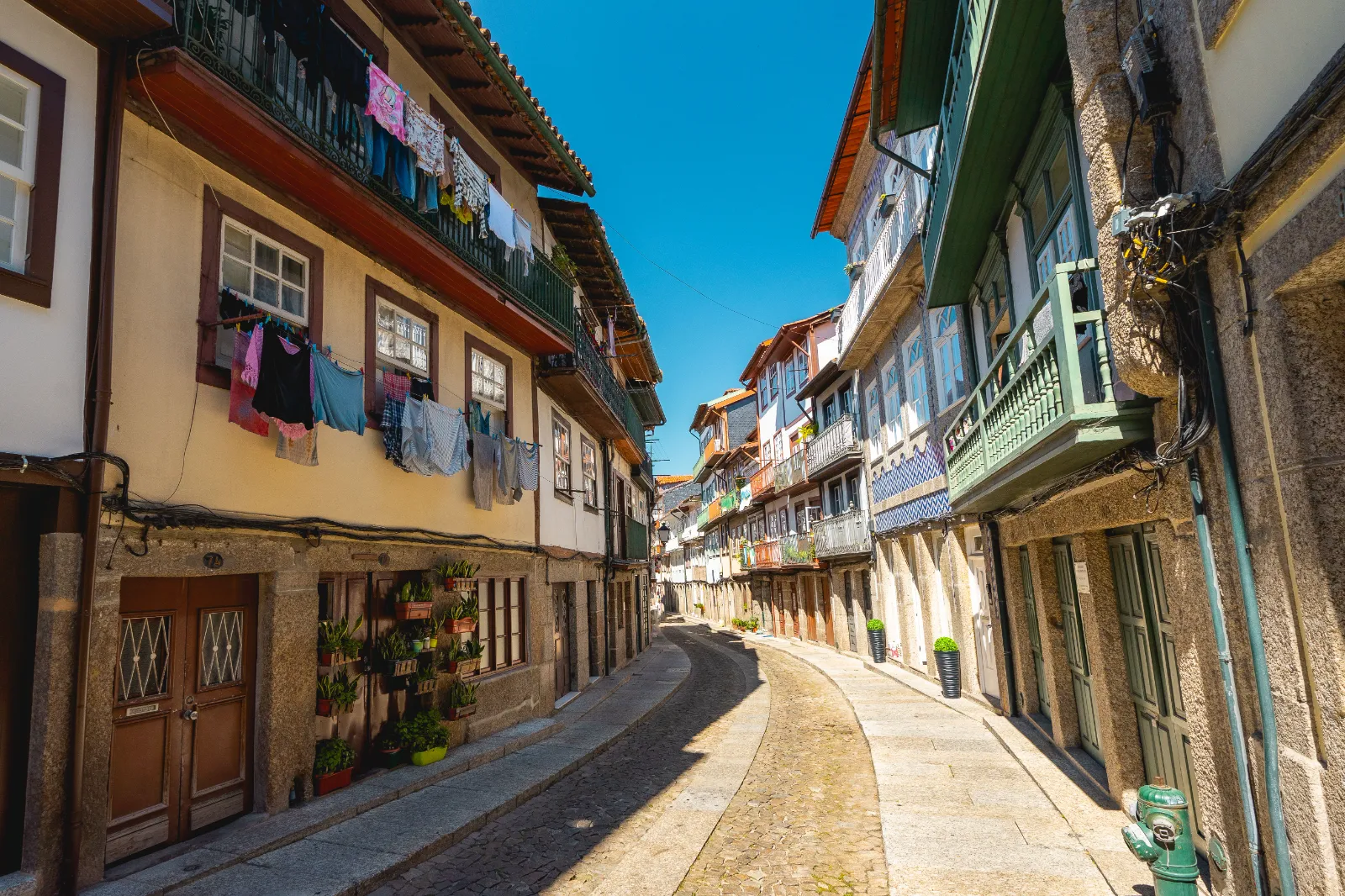
Braga Historic Centre
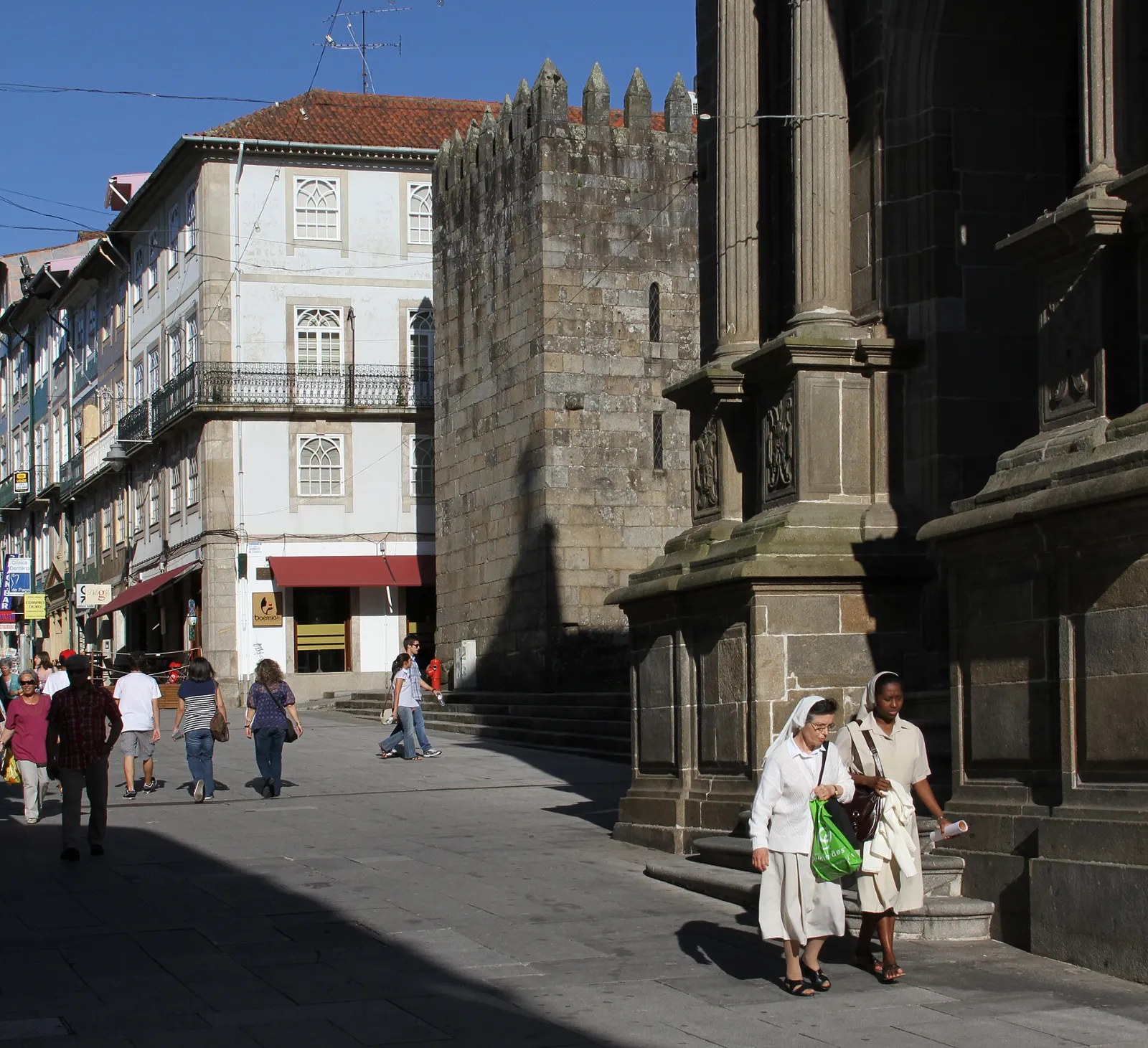
This is Braga at its most recognisable. Pedestrian streets, cafés, restaurants, shops, churches and historic buildings sit within a compact centre where many everyday journeys can be made on foot. Property ranges from apartments in traditional buildings to renovated historic homes and contemporary conversions. Buyers looking here are generally choosing walkability, atmosphere and proximity to city life over suburban space.
- Best suited for:
- Walkability, city life, professionals and history lovers
- Property styles:
- Historic apartments, renovated flats, traditional townhouses
- Price range:
- ~€2,000–€3,500+ per m²
Braga's centre contains layers of Roman history beneath the modern streets, a reminder that today's city grew directly over ancient Bracara Augusta.
Gualtar
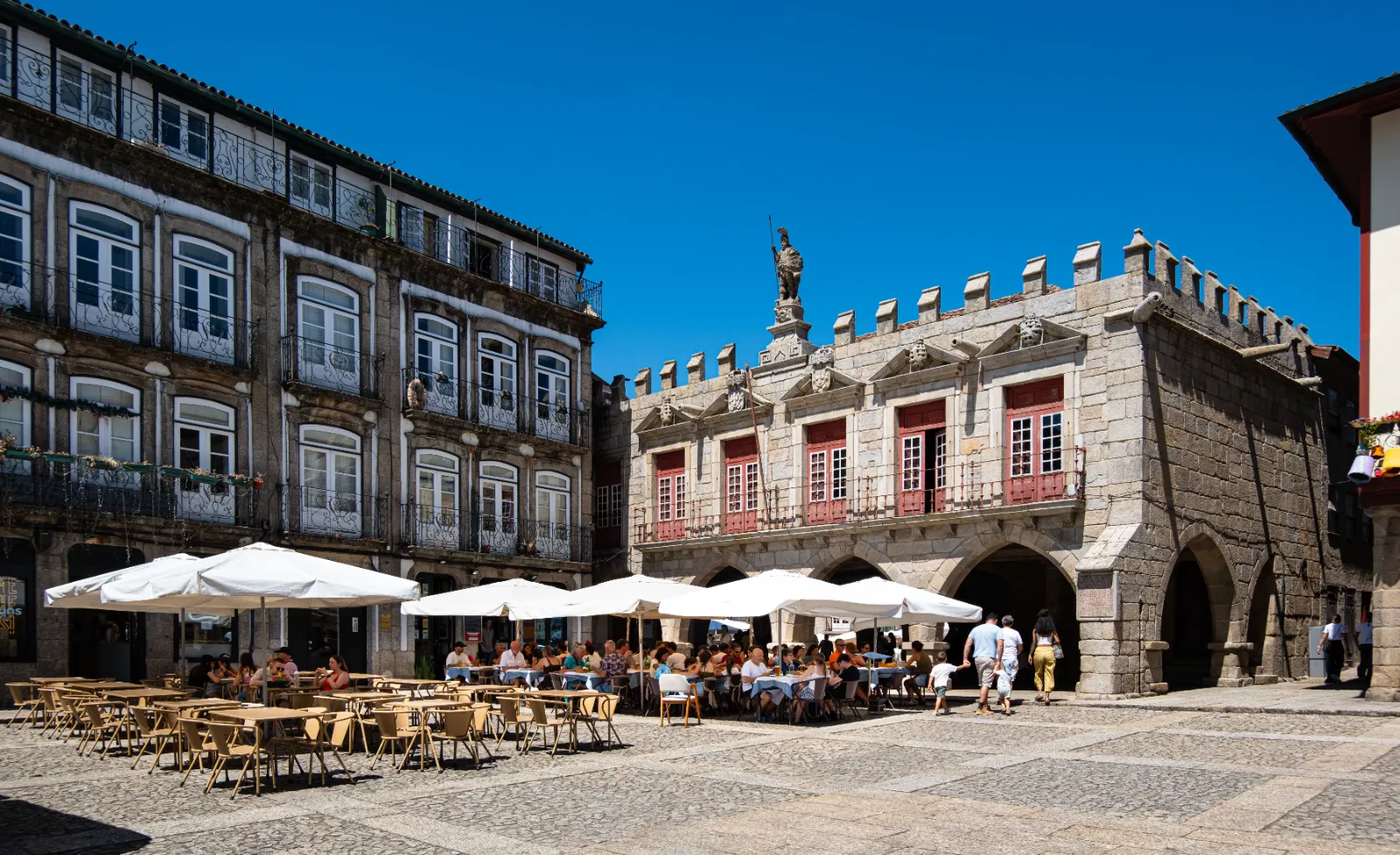
Gualtar is closely associated with the University of Minho's Braga campus, giving the area a younger and more academic character than many of Braga's traditional residential districts. Apartments, student accommodation and local services sit alongside established family homes. It also attracts international families because Braga's international school is located here. Property includes apartments, houses and newer residential construction, making Gualtar useful for buyers who want access to the university side of the city rather than the historic centre.
- Best suited for:
- University staff, students, international families and professionals
- Property styles:
- Apartments, houses, student-oriented housing, newer developments
- Price range:
- ~€2,000–€3,500+ per m²
Gualtar is home to CLIB, Braga's English-medium international school, which teaches children from ages 3 to 18.
Nogueira, Fraião & Lamaçães
Southern Braga shows a more modern residential side of the city. Nogueira, Fraião and Lamaçães have newer apartment developments, family houses and wider residential streets that contrast with the dense historic centre. Fraião and Lamaçães tend to attract buyers looking for contemporary apartments and newer housing, while the wider area also offers houses and villas. It suits households that value residential space and modern property more than being able to walk into the old centre.
- Best suited for:
- Families, professionals and buyers wanting newer homes
- Property styles:
- Modern apartments, villas, townhouses, new developments
- Price range:
- ~€2,000–€3,500+ per m²
This part of Braga offers convenient access to the city's southern commercial areas, with supermarkets, neighbourhood services and leisure facilities supporting everyday family life.
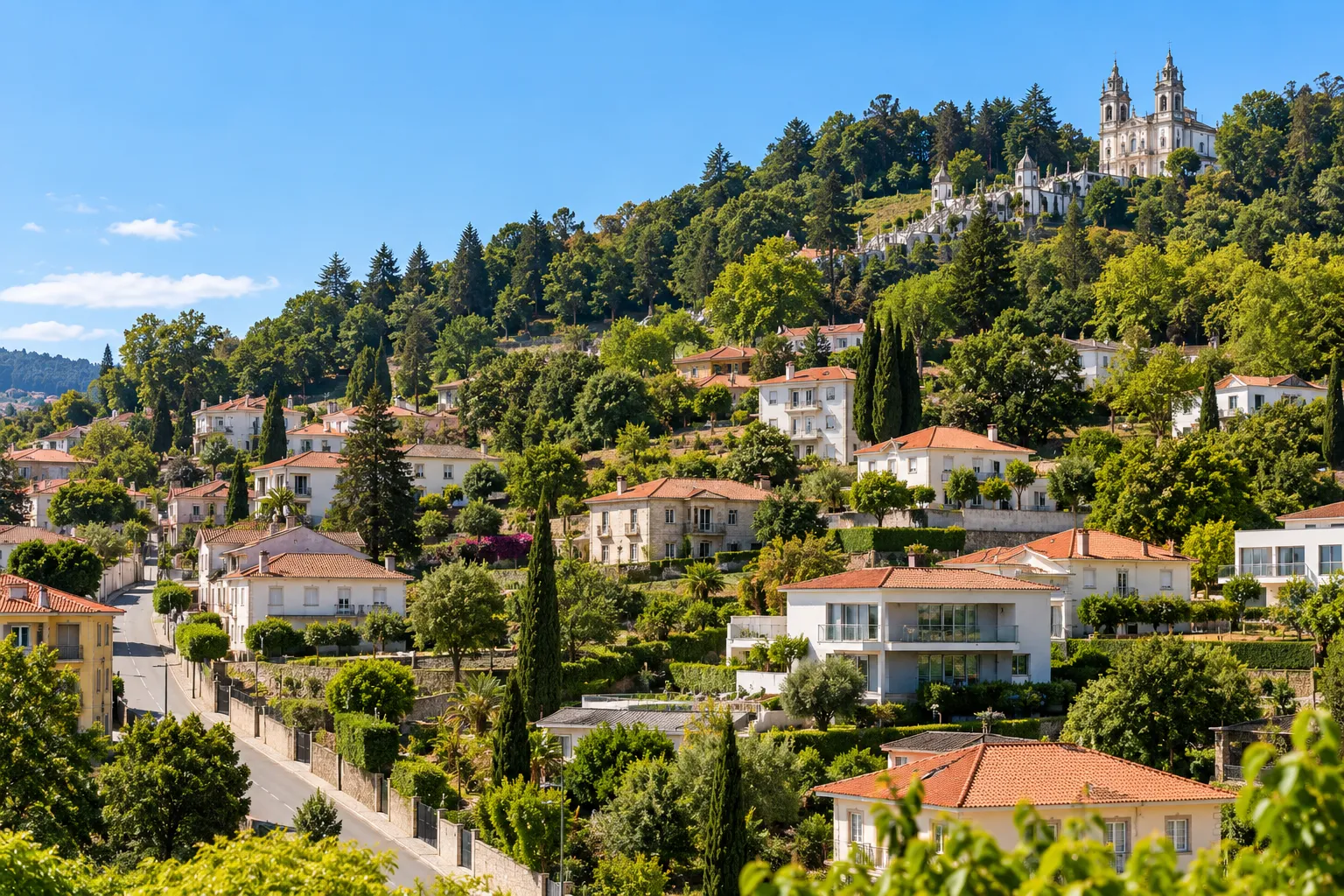
Nogueiró & Tenões
Nogueiró and Tenões climb into the greener eastern side of Braga towards Bom Jesus. The setting feels more suburban and spacious than central Braga, with houses, villas and lower-density residential streets appearing more frequently. This is a strong contrast to the apartment-heavy centre. Buyers looking here are more likely to prioritise space, views and greenery while still keeping Braga's shops, schools and services within easy reach.
- Best suited for:
- Families, villa buyers and buyers wanting a greener setting
- Property styles:
- Villas, detached houses, apartments, modern homes
- Price range:
- ~€2,000–€3,800+ per m²
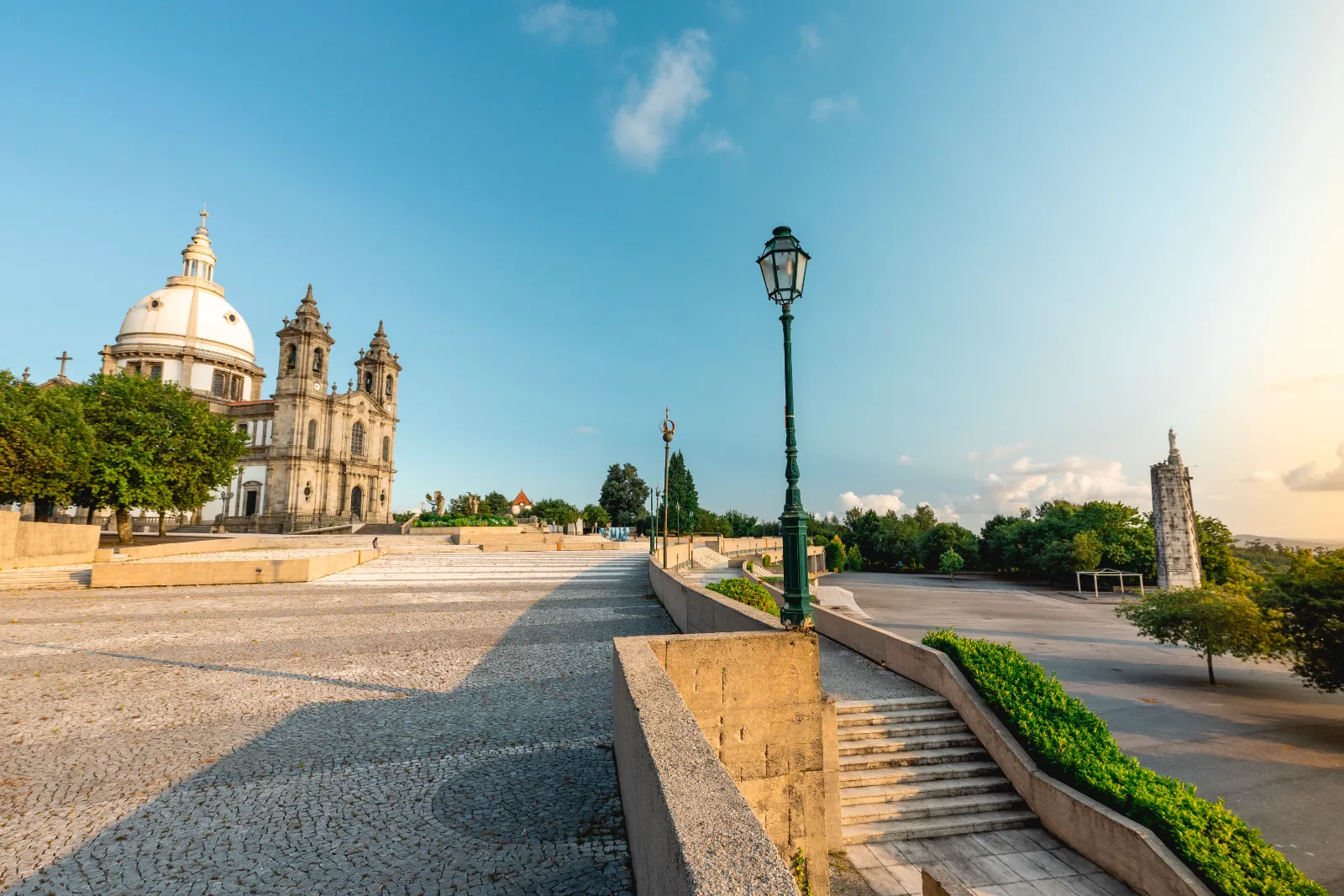
Bom Jesus do Monte sits above this side of Braga, putting one of the city's most distinctive wooded hillside settings almost on the neighbourhood's doorstep.
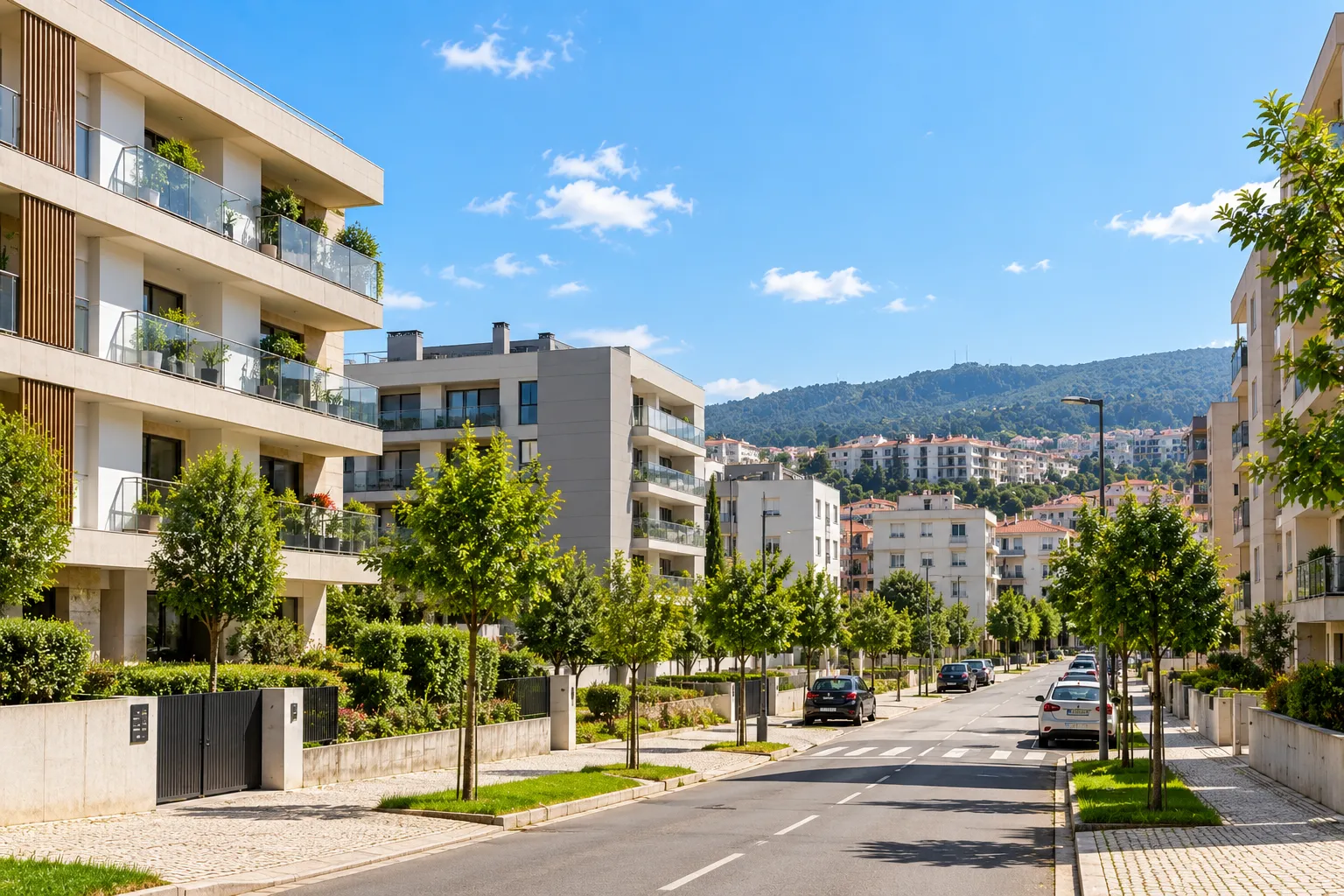
Ferreiros
Ferreiros sits southwest of the historic centre and represents another side of Braga's residential market. It has a more contemporary suburban feel, with apartment developments and established housing alongside good road connections around the city. For buyers focused on newer construction, parking and practical access rather than historic-centre character, Ferreiros is worth comparing with Braga's southern residential areas. It also provides relatively straightforward access towards the motorway network.
- Best suited for:
- Families, commuters and buyers prioritising modern housing
- Property styles:
- Modern apartments, established housing, newer developments
- Price range:
- ~€1,800–€3,200+ per m²
Ferreiros has its own railway station, adding another transport option for residents travelling within the wider Braga and northern Portugal network.
Braga lifestyle score
Amount of Sunshine in Braga
Quality of Life in Braga
Braga Investment Portfolio
Family Friendly
Walkability
Braga property market overview
Market Strength in Braga
Braga's property market benefits from established residential demand, university-related housing needs and a growing professional population. Central apartments, student-oriented properties around Gualtar and larger family homes in suburban areas serve distinct buyer segments.
Average Property Price in Braga
Average asking prices reached ~€2,396 per m² in September 2026. Values vary between older central apartments, renovated properties and contemporary developments, with newer homes in sought-after residential areas often commanding prices above the municipality-wide average.
Braga Property Rentals
Braga's rental market serves local households, university students, researchers and professionals. Indicative asking rents range from ~€8 to €13+ per m² per month, depending on neighbourhood, property condition and proximity to educational institutions.
Long Term Growth
Braga's growing population, university presence and established services support long-term housing demand. Asking sale prices rose ~12.6% year on year to September 2026, although future growth will depend on market conditions and individual neighbourhood characteristics.
Advantages of Braga
- ·Established demand from permanent residents and working professionals
- ·University-supported student and long-term rental market
- ·New-build apartments and contemporary residential developments
- ·Renovation opportunities within older central properties
- ·Different price segments between the historic centre and surrounding parishes
- ·Selection of apartments, townhouses and detached family homes
Things to consider
- ·Recent price growth has already been substantial
- ·New-build homes can command a sizeable premium
- ·Student-oriented demand is concentrated around particular areas
- ·Older central properties may require significant renovation
- ·Neighbourhood choice has a major effect on walkability and car dependence
Is Braga a good investment?
Braga attracts property buyers through its established residential market, university population and growing demand for housing. Central apartments, student-oriented properties and family homes in surrounding neighbourhoods offer different opportunities.
However, recent price increases make property selection particularly important. Buyers should assess purchase costs, building condition, rental demand and neighbourhood characteristics rather than relying on city-wide growth figures.
This overview is general market information rather than investment advice.
Portugal cost of living comparison
Braga remains less expensive than Portugal's two largest cities, although rising housing prices have narrowed some of the gap.
Housing is where the difference with Porto and Lisbon is most noticeable, while groceries, utilities and everyday spending are closer to normal northern Portuguese city prices.
Is Braga safe?
Braga is generally considered a safe city for residents and visitors, although normal precautions are advisable in busy public spaces, nightlife areas and transport hubs.
Residents should secure belongings, avoid leaving valuables in parked vehicles and remain aware of their surroundings in quieter streets after dark. Safety conditions can vary by neighbourhood and location.
Schools near Braga
Braga offers public and private Portuguese education alongside an established international school in Gualtar. Families wanting English-medium education have a local option, while the wider city has a substantial network of Portuguese schools.
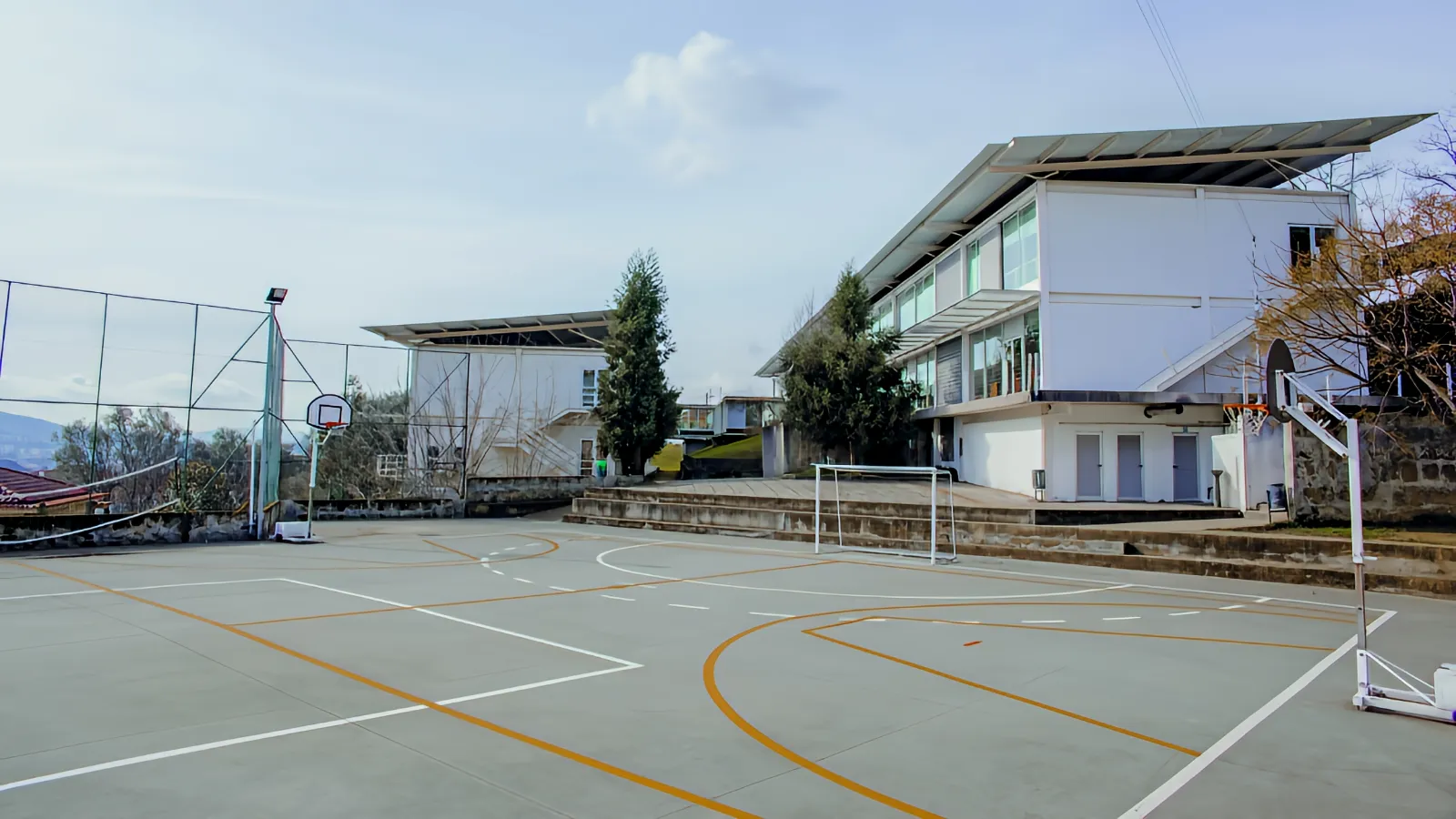
CLIB, The Braga International School
British-based curriculum, Cambridge IGCSE and A Levels
3–18 years
English, Portuguese and Spanish
Gualtar, Braga

Colégio D. Diogo de Sousa
Portuguese National Curriculum
3–18 years
Portuguese, English, French, Spanish & German
Braga

Colégio João Paulo II
Portuguese National Curriculum
1–10 years
Portuguese, English & French
Braga