
Your guide to Moving, Living, Buying & Investing in Vila Nova de Gaia
Vila Nova de Gaia occupies the southern bank of the Douro opposite Porto, extending from historic wine lodges and riverfront streets to Atlantic beaches, established residential districts and quieter inland communities. Its varied setting supports both metropolitan living and a more relaxed coastal lifestyle.
The property market is broader and generally more accessible than central Porto, although modern developments beside the Douro and Atlantic command substantial premiums. Buyers can choose between renovated historic properties, central apartments, coastal homes and newer family developments across the municipality.
Vila Nova de Gaia Property Market
Active and varied
Drive to the Airport
~20–25 minutes
Average Property Price in Vila Nova de Gaia
~€2,000–€4,000+ per m²
Pace of Life in Vila Nova de Gaia
Relaxed with lively urban areas
Closest Airport to Vila Nova de Gaia
Porto International Airport (OPO)
Cost of Living in Vila Nova de Gaia
Generally lower than central Porto
Vila Nova de Gaia Climate
Mild Atlantic climate with wet winters
Vila Nova de Gaia Population
~303,800 (municipality, 2021 Census)
Region of Portugal
Northern Portugal
Is Vila Nova de Gaia a good place to live?
Vila Nova de Gaia offers a practical balance between metropolitan access and residential variety. Residents can live close to Porto’s employment and cultural life while choosing between an urban centre, riverside districts, Atlantic communities and quieter family-oriented areas.
What are the pros of living in Vila Nova de Gaia
- A distinctive lifestyle shaped by both the Douro River and Atlantic coast
- Strong local identity, traditional neighbourhoods and established communities
- Port wine heritage, riverside culture and a varied restaurant scene
- Beaches, promenades, parks and outdoor spaces within the municipality
What are the cons of living in Vila Nova de Gaia
- Steep streets around the historic riverside can make walking more demanding
- Bridge approaches and major roads can become congested at busy times
- Winters are wetter, while exposed coastal areas can be windy
- The municipality is extensive, so walkability and local services vary considerably
Who enjoys living in Vila Nova de Gaia?
Families, Porto commuters, coastal-lifestyle buyers and people wanting city access outside central Porto.
Why do so many people choose Vila Nova de Gaia to live?
Vila Nova de Gaia combines metropolitan transport, major healthcare, schools and direct access to Porto with an extensive Atlantic coastline. Its scale allows buyers to compare dense urban districts, regenerated waterfront areas, established family neighbourhoods and lower-density coastal communities.
Vila Nova de Gaia also benefits from:
- ·Metro connections between central Gaia, Vila d’Este and Porto
- ·Rail services from General Torres and Vila Nova de Gaia-Devesas
- ·Hospital Eduardo Santos Silva and local healthcare facilities
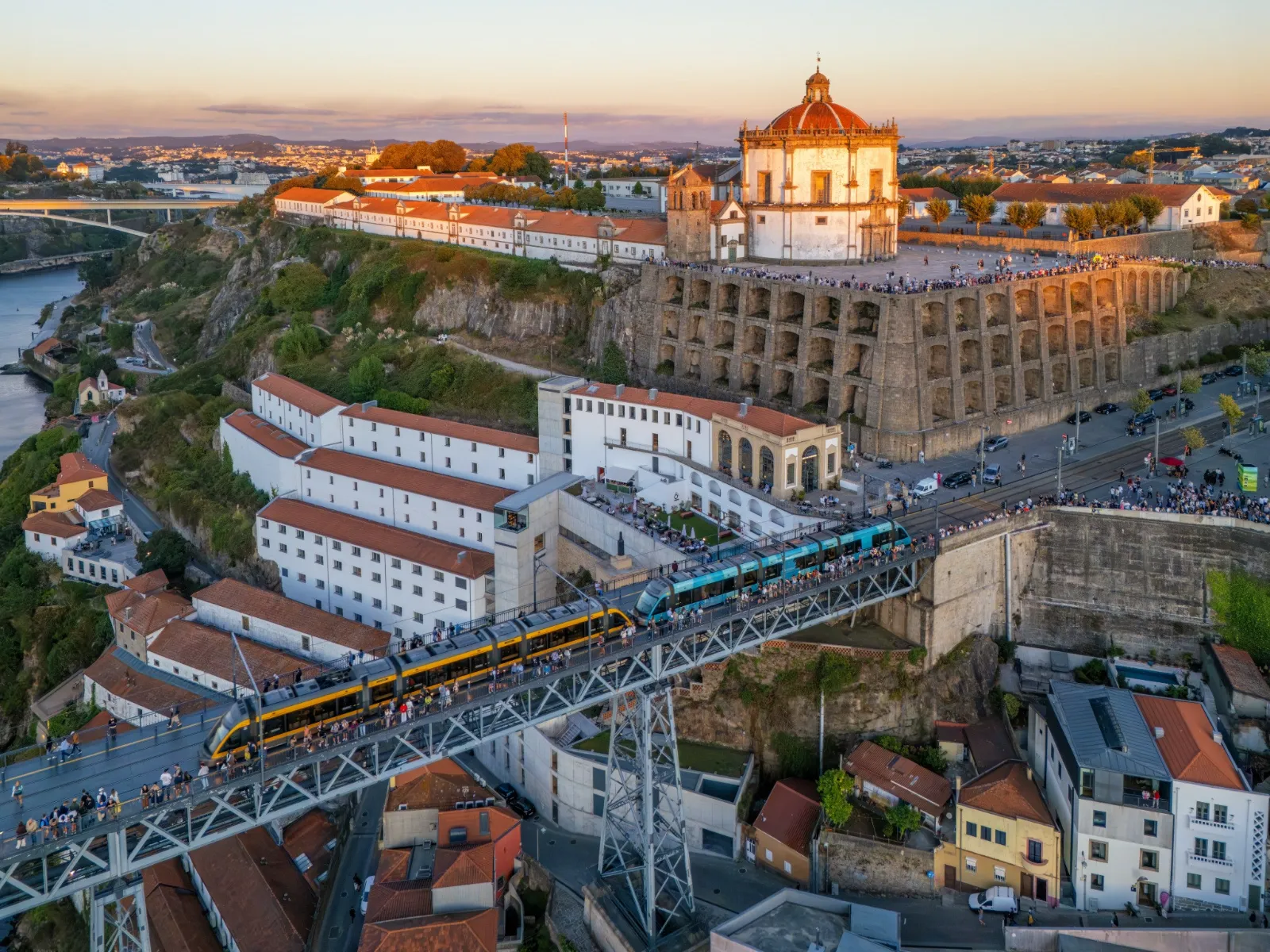
- ·The Port wine cellars, Cais de Gaia and Serra do Pilar
- ·Atlantic beaches, coastal promenades and the Douro Marina
- ·Direct access to major roads connecting Porto and the wider northern region
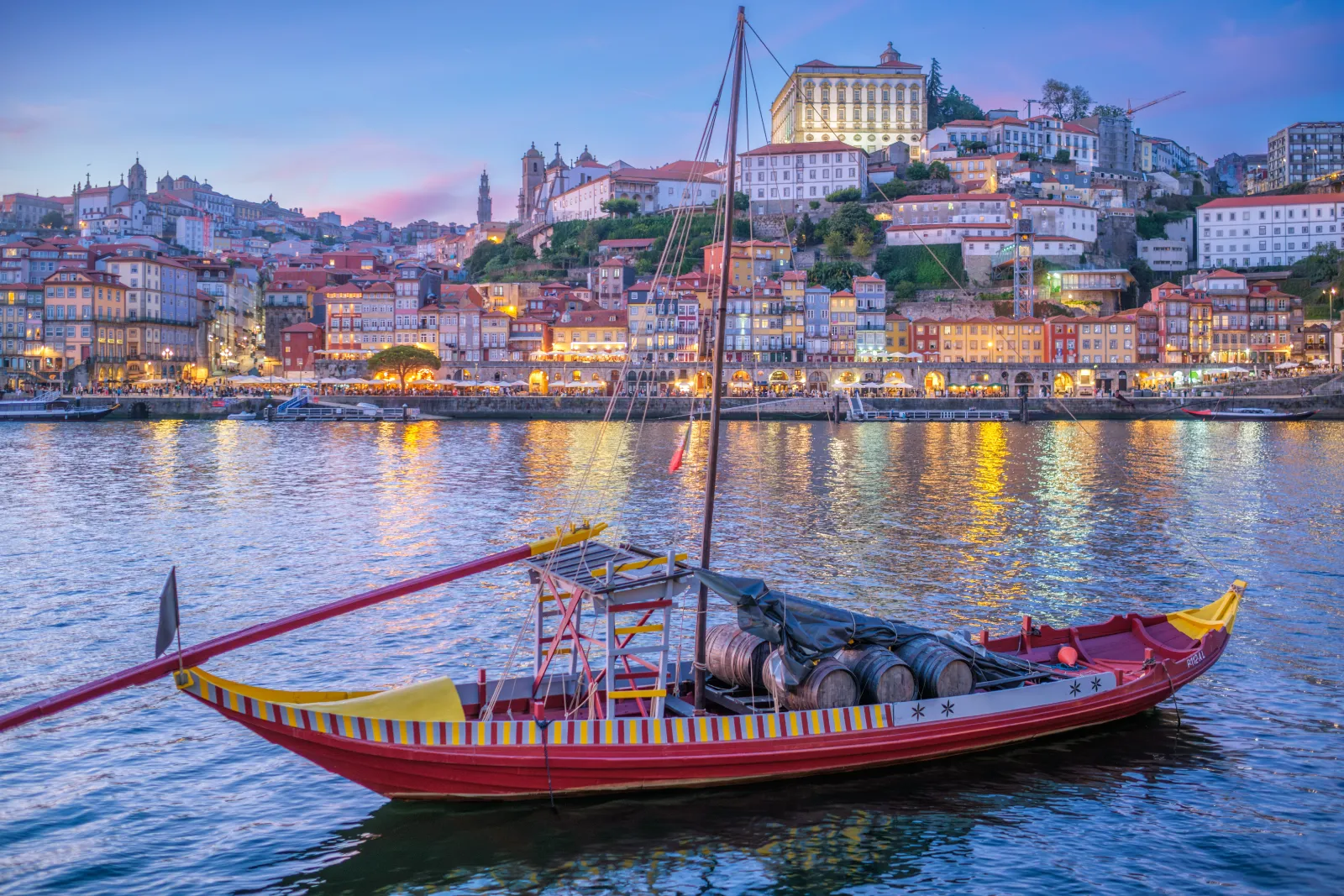
For centuries, Port wine travelled downstream from the Douro Valley in rabelo boats before ageing in Gaia’s riverside lodges.
Neighbourhoods nearby Vila Nova de Gaia
Historic Centre and Cais de Gaia
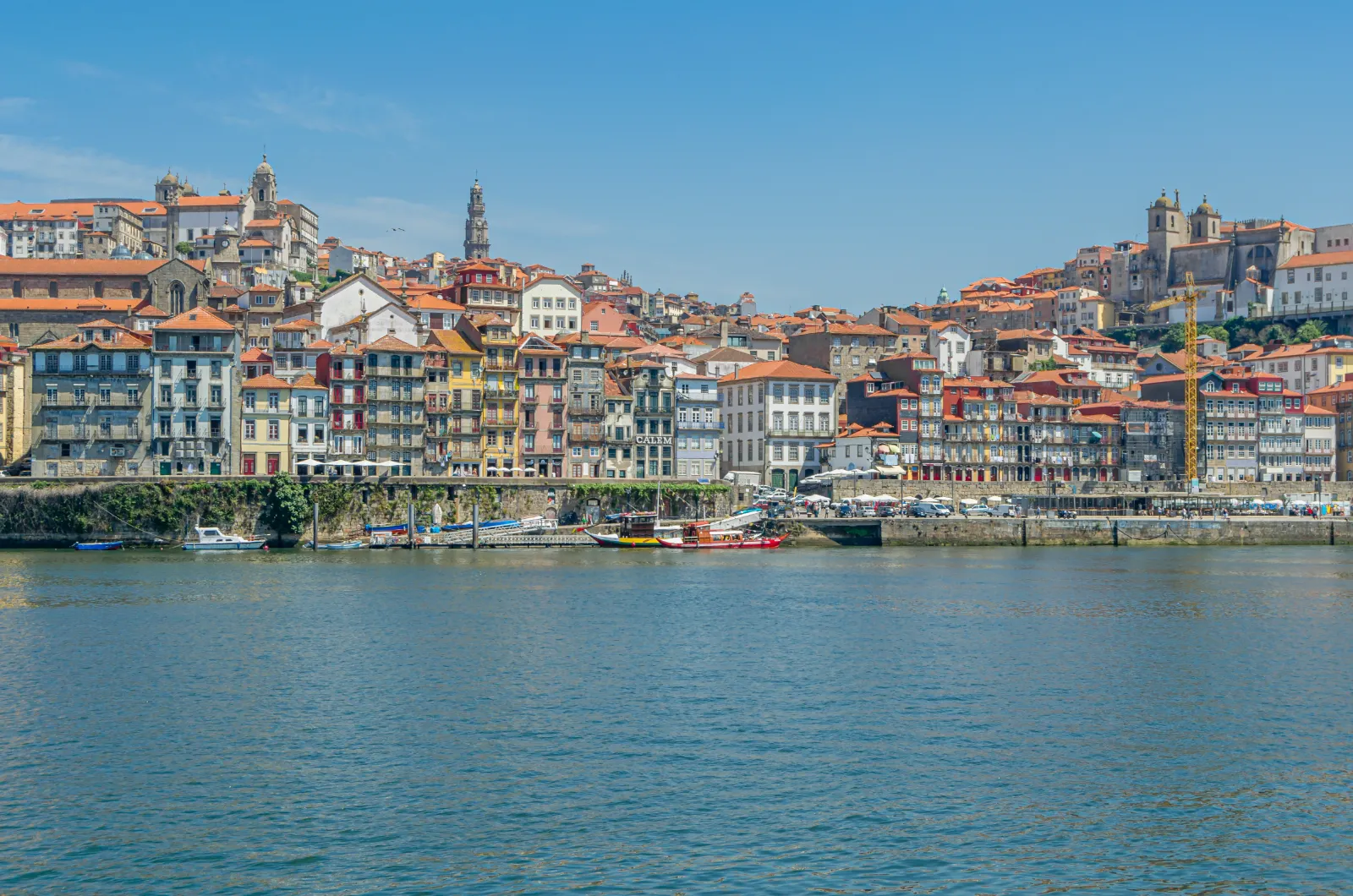
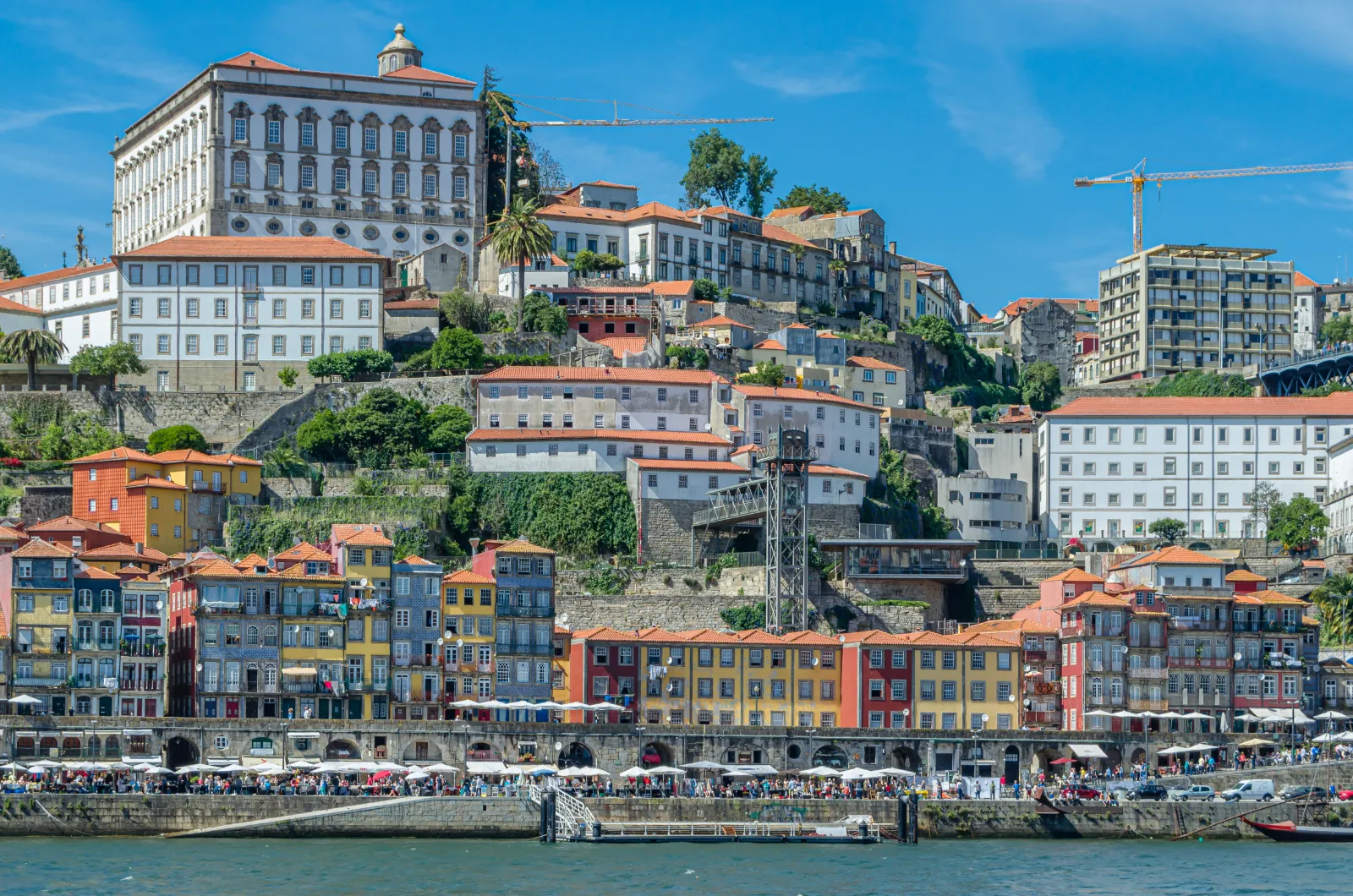
Gaia’s historic riverside combines Port wine lodges, restaurants, steep traditional streets and landmark views across the Douro. Housing includes renovated historic buildings and modern apartments, with a livelier atmosphere around the waterfront and quieter streets higher above the river.
Mafamude and Avenida da República
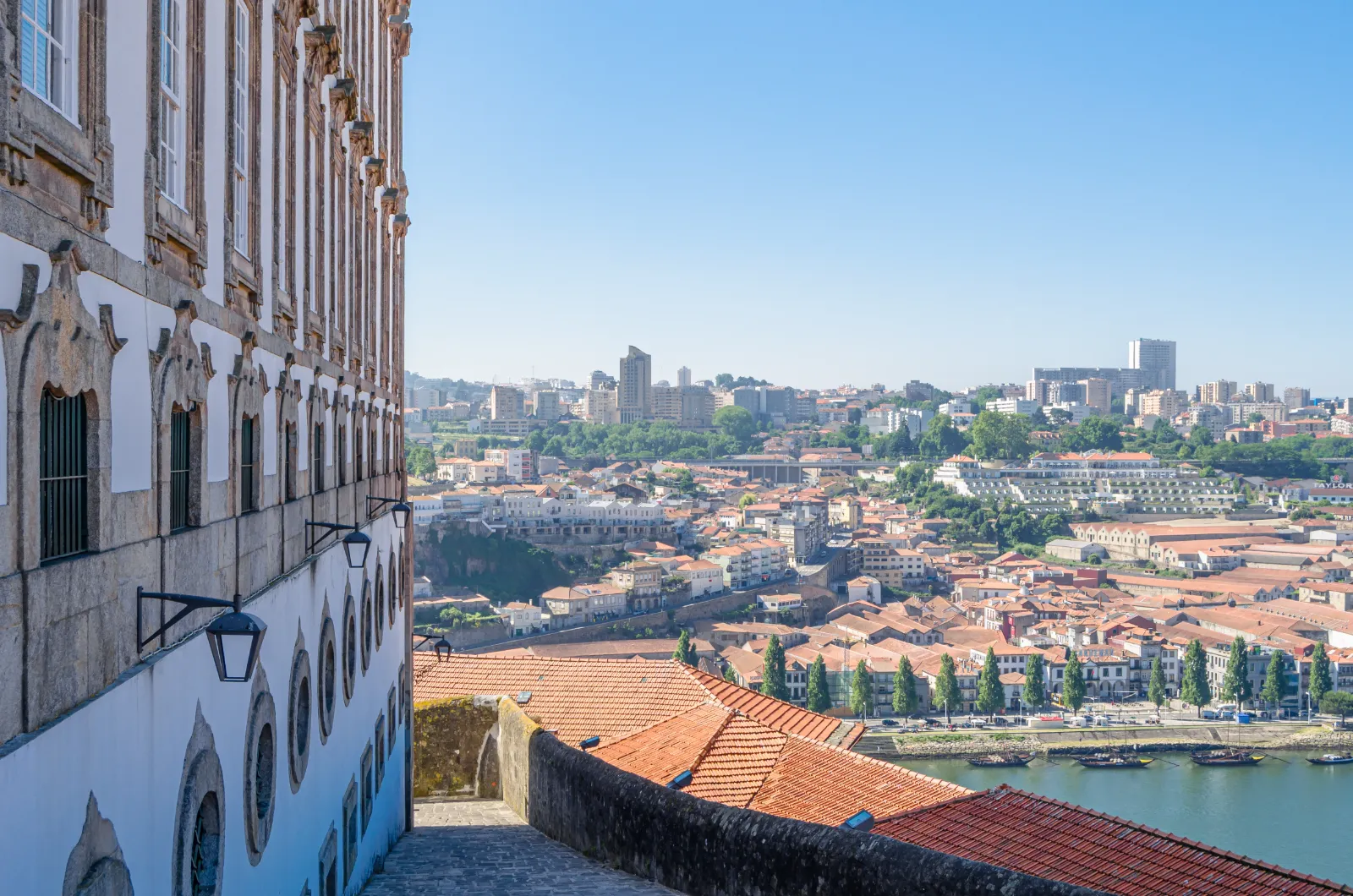
Mafamude forms Gaia’s principal urban and administrative centre, with metro stations, shopping, schools and everyday services close together. Apartments dominate the housing stock, while areas around Santo Ovídio and Paço do Rei provide a more residential atmosphere within easy reach of the centre.
Canidelo and Lavadores
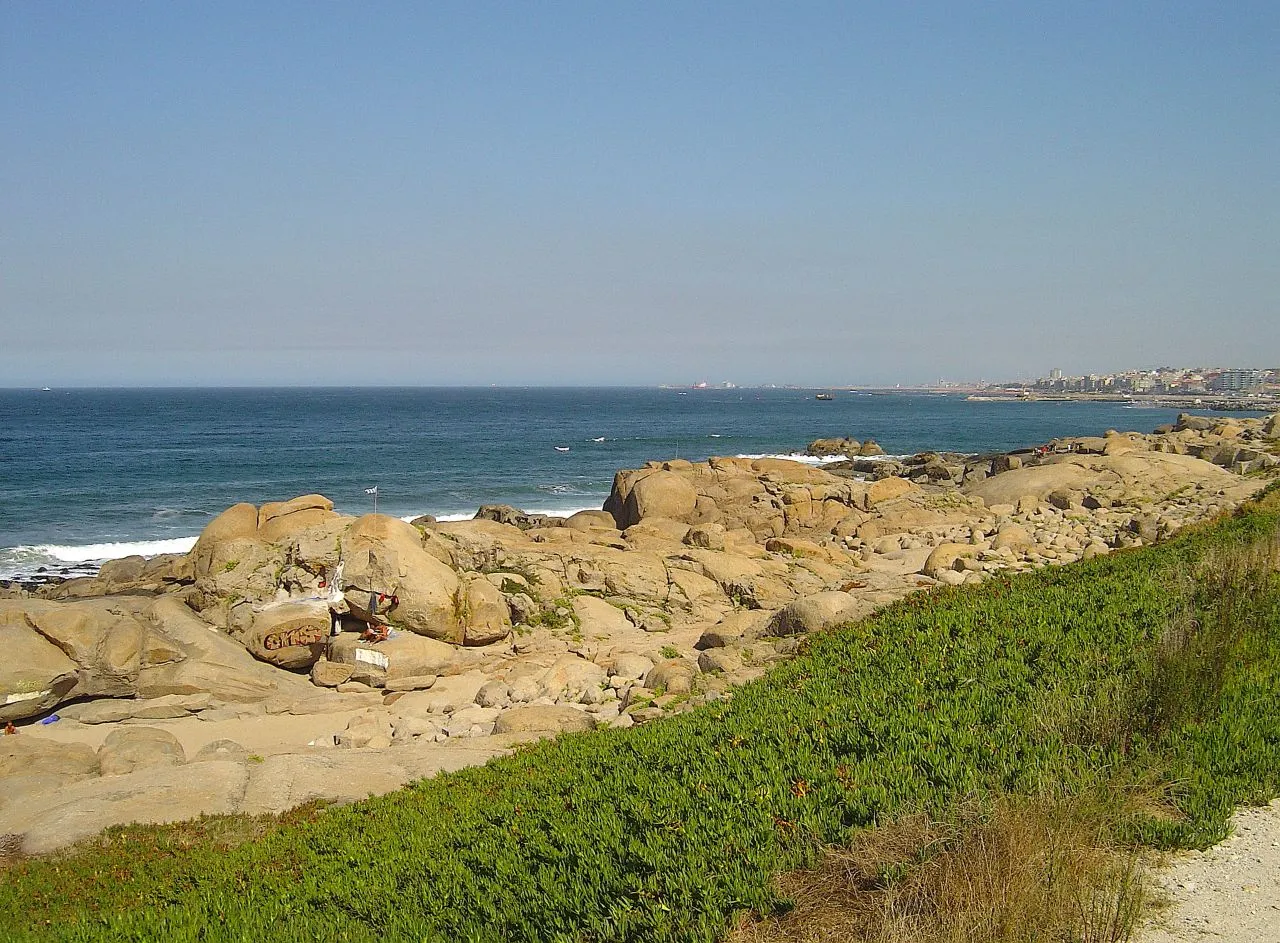
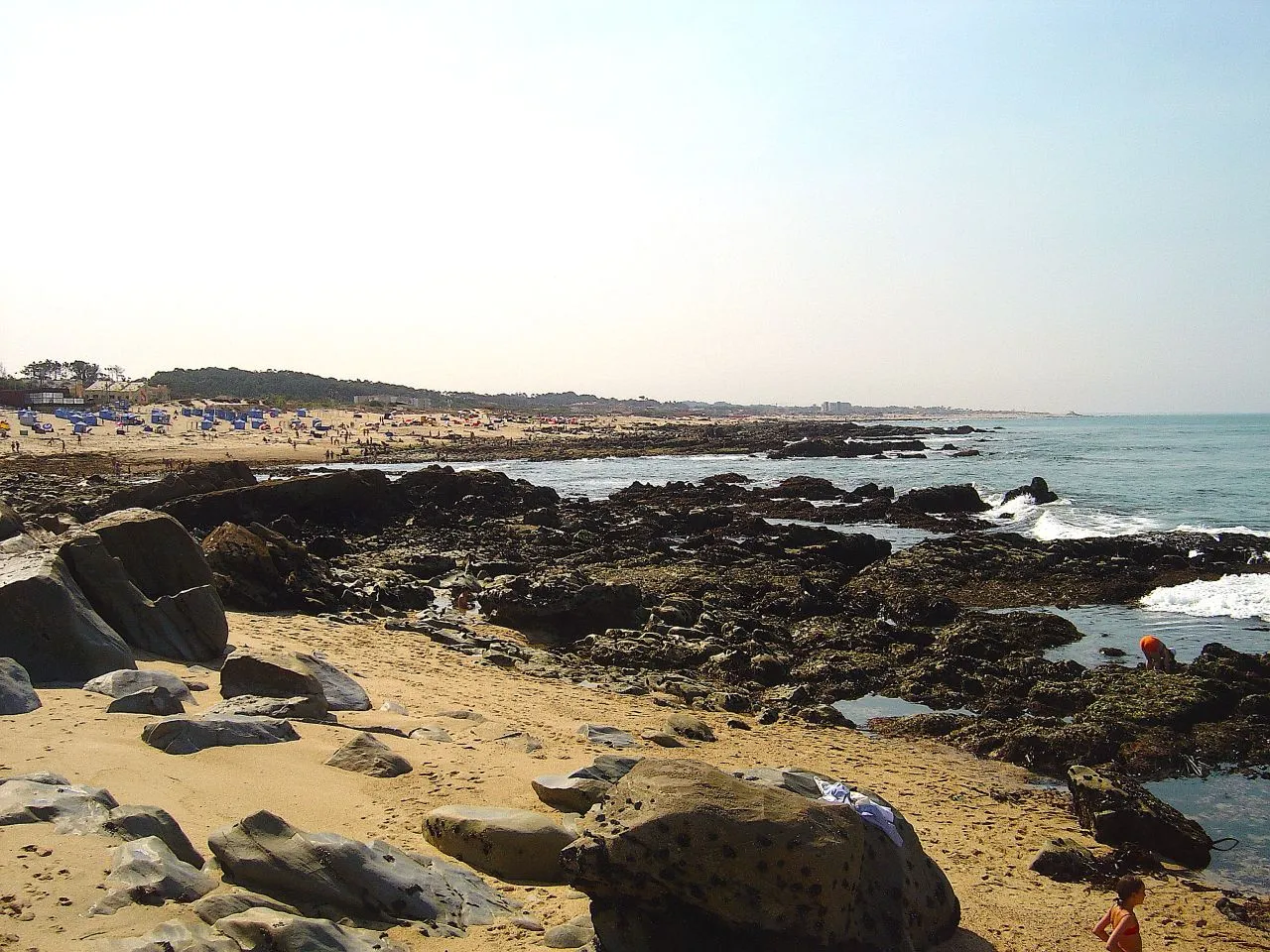
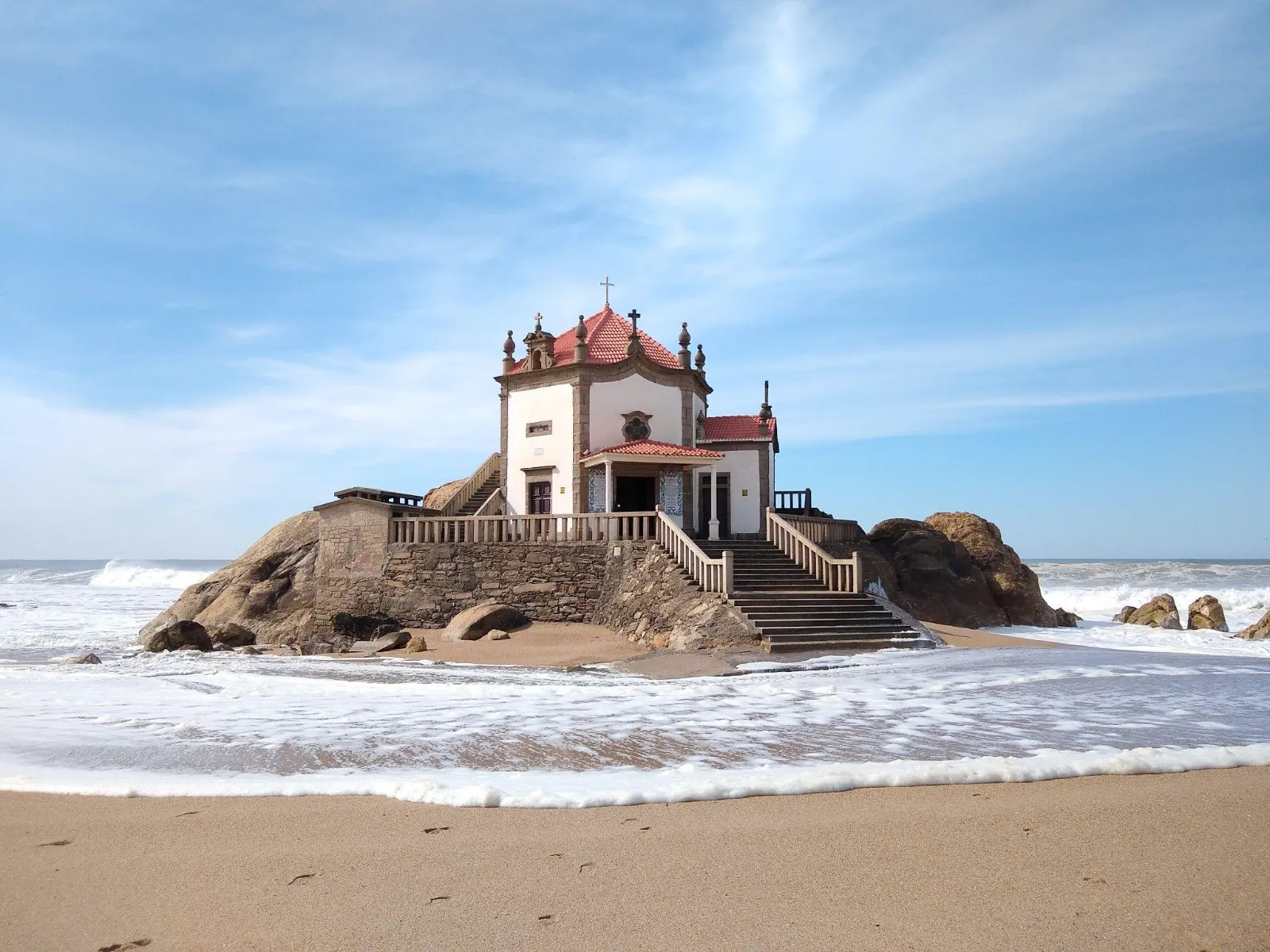
Canidelo stretches between the Douro estuary and Atlantic coast, combining established residential streets with modern waterfront development. Lavadores offers beaches and promenades, while areas closer to the Douro Marina provide convenient access to both the river and central Gaia.
Vila Nova de Gaia lifestyle score
Amount of Sunshine in Vila Nova de Gaia
Quality of Life in Vila Nova de Gaia
Vila Nova de Gaia Investment Portfolio
Family Friendly
Walkability
Vila Nova de Gaia property market overview
Market Strength in Vila Nova de Gaia
Gaia has a broad, active market supported by proximity to Porto, transport connections, the coastline and a large resident population. Demand varies sharply between inland family areas, the urban centre and premium riverside or coastal locations.
Average Property Price in Vila Nova de Gaia
Municipality asking prices averaged ~€3,020 per m² in October 2026. Recent transaction data placed the municipality median at €2,652 per m², while Canidelo, Lavadores and other waterfront areas commanded considerably more.
Vila Nova de Gaia Property Rentals
Rental demand is supported by commuters, families, students and households priced out of central Porto. Asking rents averaged ~€13.50 per m² in October 2026, while new contracts recorded a lower €10.63 per m² median during 2025.
Long Term Growth
Municipality asking prices were ~3% above their October 2025 level by October 2026, although recent monthly movement was flatter. Future performance will remain uneven, with transport-connected, riverside and coastal locations attracting stronger buyer attention.
Advantages of Vila Nova de Gaia
- ·Direct relationship with Porto’s employment and services
- ·A large resident market supporting long-term housing demand
- ·Metro, rail, road and airport connectivity
- ·Distinct riverfront, urban, suburban and coastal markets
- ·Continued availability of new-build and regeneration projects
Things to consider
- ·Values vary substantially between inland and waterfront locations
- ·Premium coastal and riverside developments can exceed municipality averages
- ·Road congestion affects several bridge approaches and central routes
- ·Asking rents are higher than the median recorded for completed new contracts
- ·Short-term rental eligibility must be confirmed for the specific property address
Is Vila Nova de Gaia a good investment?
Vila Nova de Gaia can suit buyers seeking long-term residential demand, proximity to Porto and a choice of urban, coastal or riverside property. Transport-connected locations and areas with established services may offer broader appeal across owner-occupier and rental markets.
However, the municipality should not be treated as a single market. Entry prices, rental demand, construction activity and resale conditions vary significantly between parishes, while premium waterfront properties may already reflect much of their location value.
This overview is general market information rather than investment advice.
Portugal cost of living comparison
Estimated living costs for two adults in Vila Nova de Gaia, based on a comfortable everyday lifestyle.
Housing and lifestyle choices can change the actual cost considerably.
Is Vila Nova de Gaia safe?
Official 2025 data place Vila Nova de Gaia’s police-recorded crime rate slightly below the national aggregate. Most residential, coastal and riverside districts support normal daily activity throughout the day and evening.
As in other large metropolitan areas, occasional petty theft or disturbances can occur around busy transport, tourism and nightlife locations. Overall, Gaia has a generally settled residential character while remaining part of a major urban region.
Schools near Vila Nova de Gaia
Families have access to Portuguese curriculum schools with enhanced language, bilingual and specialist secondary programmes.

Colégio Novo de Gaia
Portuguese national curriculum, Cambridge English preparation and optional Dual Diploma.
~1–18
Portuguese; English, with German, Spanish or French available as additional subjects.
Canidelo

Colégio Ibérico de Gaia
Portuguese national curriculum with CLIL bilingual teaching.
3 months–16
Portuguese, with English used in CLIL subjects; Spanish is taught as an additional language.
Arcozelo

Colégio de Gaia – Escola Católica
Portuguese national curriculum with scientific-technological secondary programmes.
~3–18
Portuguese; English and French are taught as language subjects.
Mafamude