

Your guide to Moving, Living, Buying & Investing in Lisbon
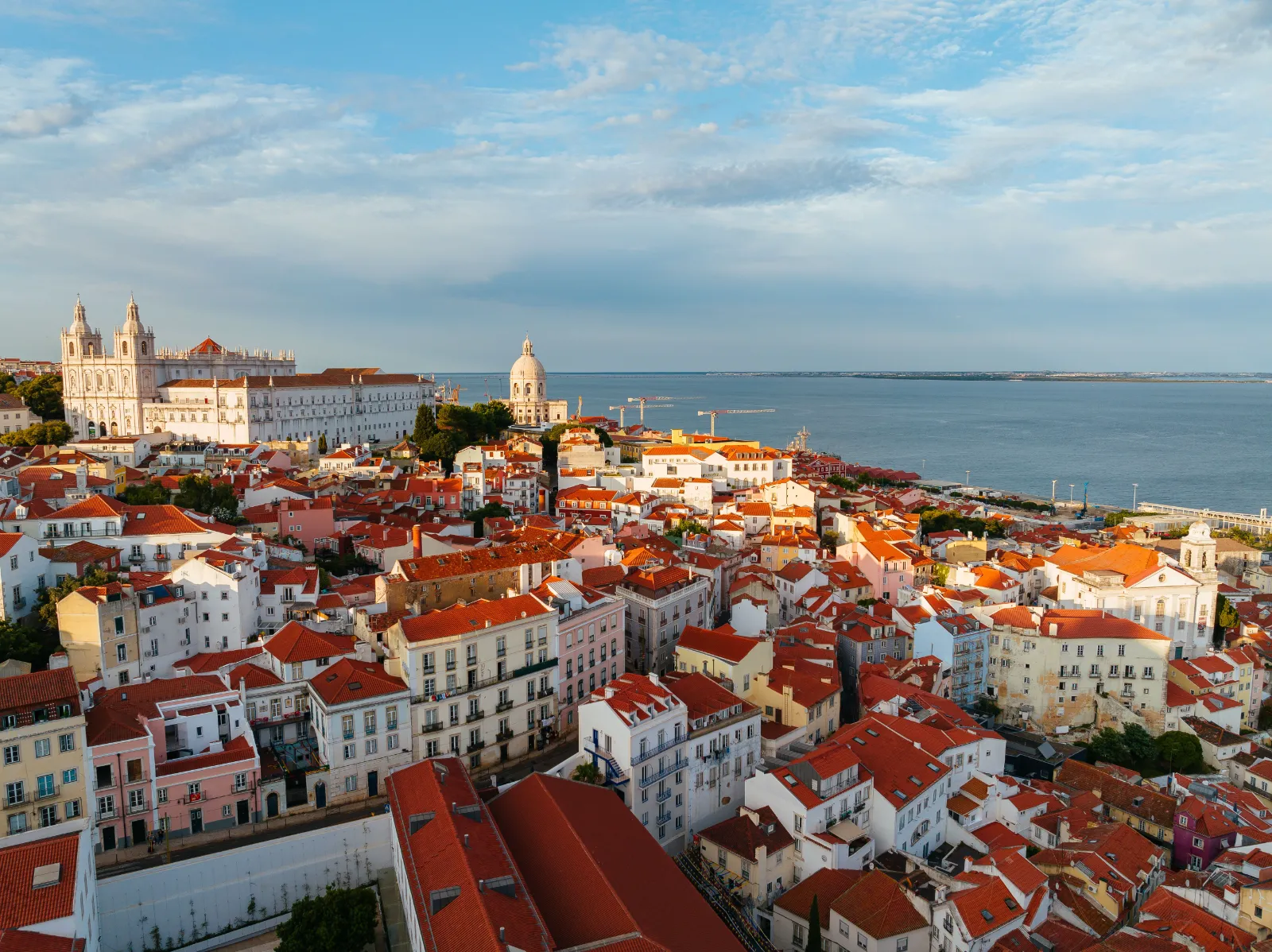
Lisbon is Portugal's capital and largest city, known for its historic neighbourhoods, distinctive architecture and setting along the River Tagus. From the traditional streets of Alfama and the elegant avenues of Chiado to the contemporary waterfront of Parque das Nações, the city combines centuries of heritage with established universities, cultural institutions, international businesses and extensive public transport.
Lisbon's property market offers a varied selection of renovated historic apartments, traditional townhouses and contemporary residential developments. Established neighbourhoods attract families and professionals, while regeneration areas such as Marvila and Beato offer additional housing options. Its year-round economy, international airport and access to nearby Atlantic beaches appeal to Portuguese and international buyers seeking an urban lifestyle.
Lisbon Property Market
Premium, highly active urban market
Drive to the Airport
~15–30 minutes from central Lisbon, depending on traffic
Average Property Price in Lisbon
~€5,900 to €6,100 per m²
Pace of Life in Lisbon
Vibrant and cosmopolitan
Closest Airport to Lisbon
Lisbon Humberto Delgado International Airport
Cost of Living in Lisbon
High by Portuguese standards
Lisbon Climate
Mediterranean climate with warm, dry summers and mild, wetter winters
Lisbon Population
~545,800 (Lisbon municipality)
Region of Portugal
Lisbon
Is Lisbon a good place to live?
Lisbon offers an appealing combination of career opportunities, culture, international services and access to the coast. Its diverse neighbourhoods range from lively historic streets to quieter residential districts, allowing residents to choose between an energetic city lifestyle and a more relaxed family environment. Excellent transport connections, universities and healthcare make it particularly attractive for people seeking a permanent base in Portugal.
What are the pros of living in Lisbon
- Lively, cosmopolitan atmosphere throughout the year
- Historic neighbourhoods with distinctive architecture and local character
- Diverse restaurants, markets, arts and cultural experiences
- Choice of central, riverside and quieter residential areas
- Parks, viewpoints and outdoor spaces throughout the city
- Atlantic beaches and coastal destinations within day-trip distance
What are the cons of living in Lisbon
- Higher housing costs than most Portuguese cities
- Busy tourist areas throughout the year
- Steep streets in some historic neighbourhoods
- Traffic congestion during peak hours
- Limited parking in older residential districts
Who enjoys living in Lisbon?
Professionals, international families, entrepreneurs, digital nomads, students and buyers who value urban amenities, cultural variety and a year-round residential environment.
Why do so many people choose Lisbon to live?
Lisbon attracts residents with its combination of historic character, international opportunities and everyday convenience. It is a city where traditional cafés, local markets and centuries-old architecture coexist with contemporary workplaces, creative districts and modern residential developments. Residents benefit from a broad choice of neighbourhoods, established services and access to both the Tagus waterfront and nearby Atlantic beaches.
Lisbon also benefits from:
- ·Lisbon Humberto Delgado International Airport and international connections
- ·Metro, suburban rail, tram, bus and ferry transport networks
- ·University of Lisbon, NOVA University Lisbon and other higher education institutions
- ·Major public and private hospitals across the city
- ·Museu Calouste Gulbenkian, MAAT and other cultural institutions
- ·Parque das Nações waterfront, Oceanário de Lisboa and riverside promenades
- ·Rail connections to Cascais, Sintra and other destinations around Greater Lisbon
From historic streets to modern riverside neighbourhoods, Lisbon combines the character of Portugal's capital with the opportunities of a thriving European city.
Neighbourhoods nearby Lisbon
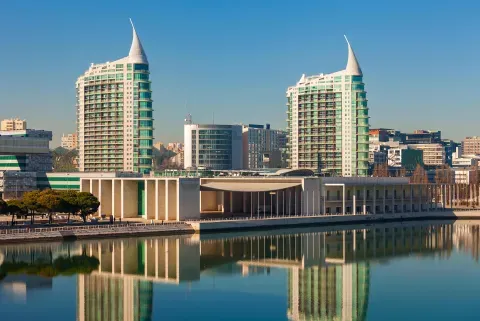
Parque das Nações
Developed around Expo 98, Parque das Nações is a contemporary riverside neighbourhood in eastern Lisbon, known for its modern architecture, landscaped public spaces and waterfront promenade. The area offers contemporary apartments, including properties with river views, alongside schools, restaurants, shopping facilities and the Oceanário de Lisboa. Oriente station provides metro, rail and bus connections, making the neighbourhood attractive to families and professionals seeking modern housing and convenient transport access.
- Best suited for:
- Families, professionals who fly often, buyers who want a lift, parking and level streets
- Property styles:
- Modern apartments in mid- and high-rise blocks, with river or park views
- Price range:
- ~€6,500–€8,500/m²
The Parque das Nações waterfront features gardens, public art and the cable car overlooking the Tagus, offering a distinctive setting for walking and outdoor recreation.
Alcântara
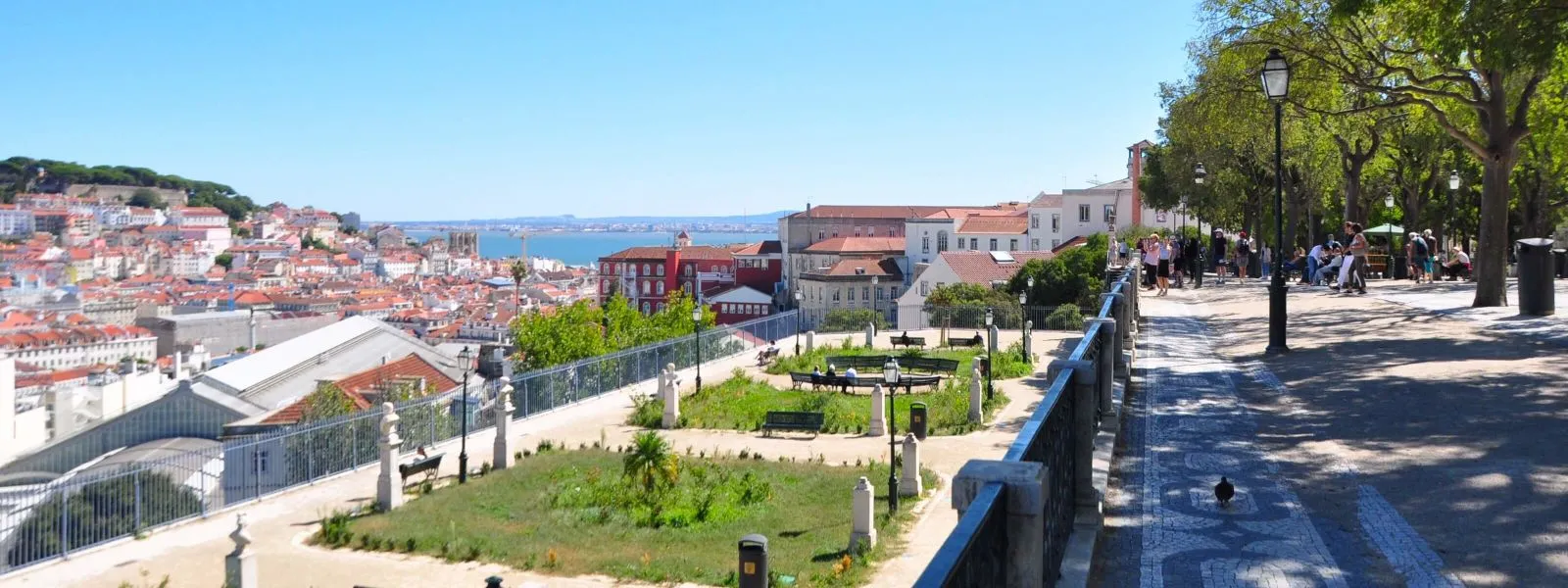
Alcântara is an established riverside neighbourhood beneath the 25 de Abril Bridge, combining industrial heritage with residential regeneration and a growing cultural scene. Traditional apartment buildings sit alongside converted industrial spaces and contemporary developments, while LX Factory has become a recognised destination for restaurants, shops and creative businesses. Its location between the Tagus waterfront and neighbouring residential districts appeals to professionals and buyers seeking an evolving urban environment.
- Best suited for:
- Creative professionals, buyers who want river access and a city location that is less central than Baixa
- Property styles:
- New-build apartments, converted warehouses and lofts, older apartment buildings
- Price range:
- ~€5,500–€8,000/m²
LX Factory occupies a former industrial complex and hosts independent shops, creative studios, restaurants and cultural events, reflecting Alcântara's changing identity.
Beato
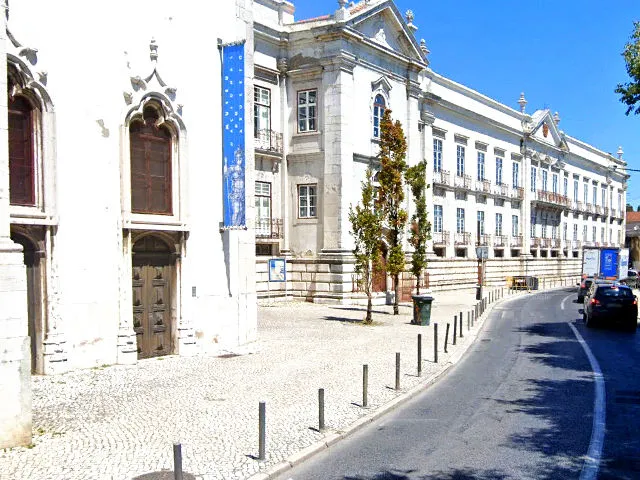
Beato is an eastern Lisbon neighbourhood known for its industrial heritage, historic convent buildings and emerging creative and technology businesses. Former industrial properties, traditional low-rise housing and new residential projects contribute to a varied urban setting. Its proximity to the Tagus waterfront and neighbouring Marvila appeals to professionals and buyers interested in an area experiencing residential and commercial regeneration.
- Best suited for:
- Younger professionals, creatives, buyers who want to get in early on a district still changing
- Property styles:
- New-build apartments, converted industrial buildings, older low-rise flats
- Price range:
- ~€4,600 to €5,100 per m²
The historic Convento do Beato is one of the neighbourhood's best-known landmarks, while the surrounding innovation and creative spaces contribute to its developing cultural identity.
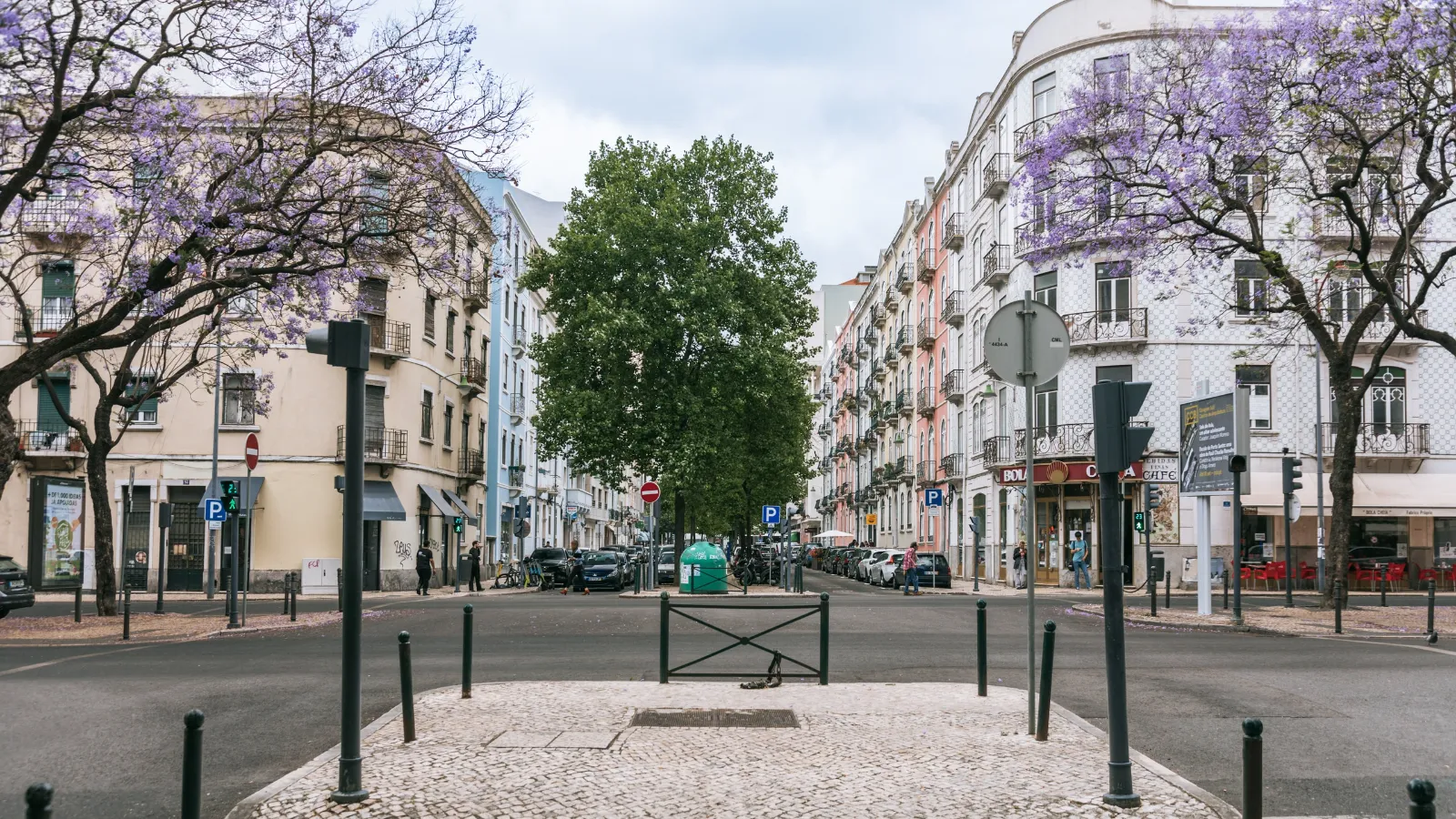

Lisbon lifestyle score
Amount of Sunshine in Lisbon
Quality of Life in Lisbon
Lisbon Investment Portfolio
Family Friendly
Walkability
Lisbon property market overview
Market Strength in Lisbon
Lisbon benefits from established residential demand linked to its economy, universities and international connections. Limited housing availability in sought-after central neighbourhoods supports its premium market position, while regeneration areas and contemporary developments offer additional property options.
Average Property Price in Lisbon
Lisbon's median property transaction price reached ~€5,292 per m² in Q1 2026, compared with ~€3,836 per m² across Greater Lisbon. Asking prices and individual property values vary significantly by neighbourhood, condition and housing type.
Lisbon Property Rentals
Lisbon's rental market serves professionals, students, international residents and local households throughout the year. Demand varies by location, transport access and property condition, while short-term accommodation remains subject to applicable municipal licensing rules and restrictions.
Long Term Growth
Lisbon's established economy, international connectivity and ongoing residential regeneration contribute to long-term interest in its property market. Infrastructure improvements and new developments may influence individual neighbourhoods, although future price performance will depend on affordability, supply and wider economic conditions.
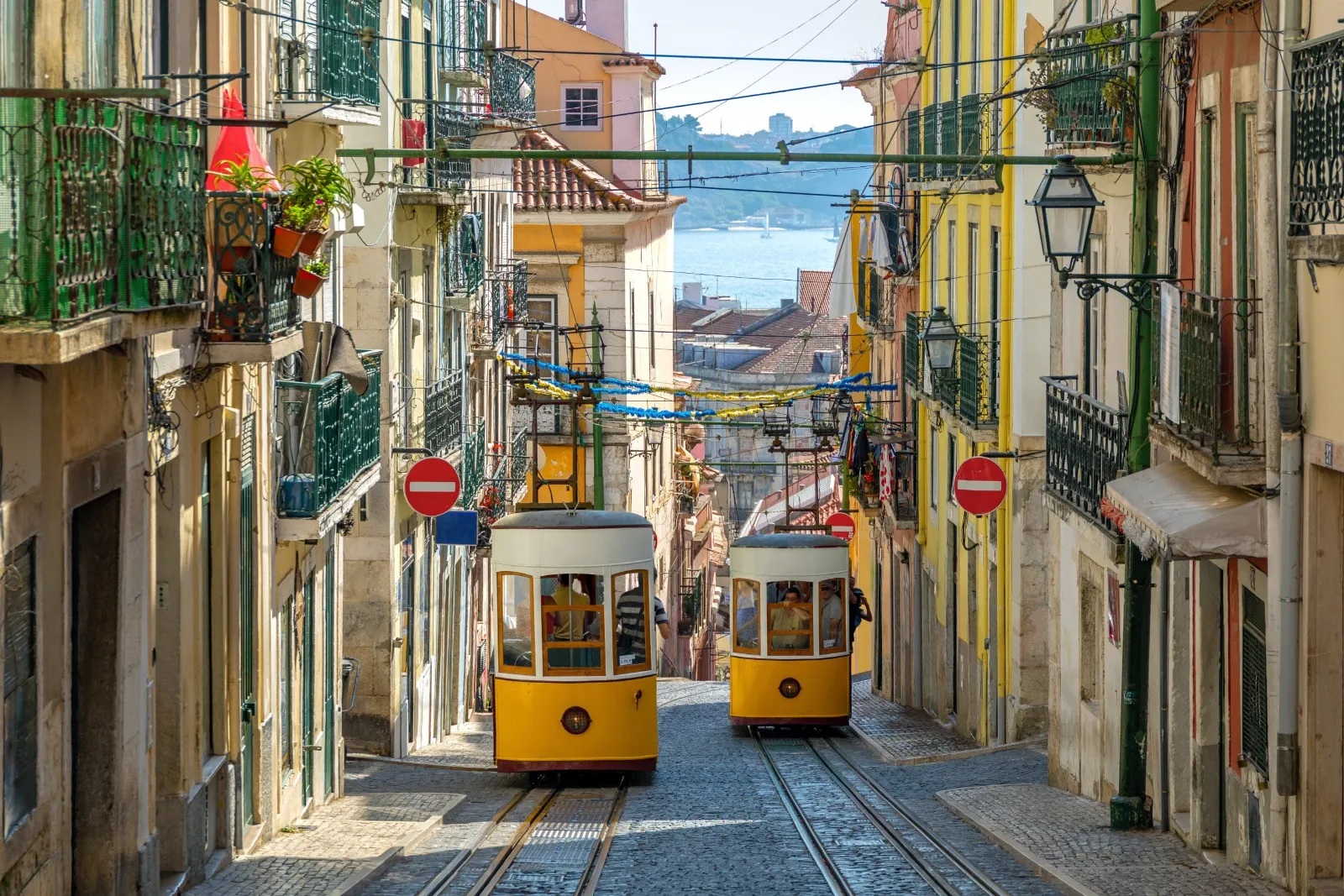
Advantages of Lisbon
- ·Strong property resale demand across established residential districts
- ·Diverse housing stock, from renovated historic apartments to new-build developments
- ·Established long-term rental market supported by professionals and students
- ·Premium property segments attracting domestic and international buyers
- ·Opportunities for residential investment in emerging regeneration areas
- ·Active pre-construction market with developments across several neighbourhoods
Things to consider
- ·Entry prices are the highest in Portugal
- ·Recent price rises may not be repeated
- ·New-build is concentrated outside the historic core
- ·Regeneration areas can take years to settle
- ·Holiday rental rules vary by address
- ·Older buildings often lack lifts and air conditioning
Is Lisbon a good investment?
Lisbon attracts property buyers through its established economy, international connectivity, universities and year-round residential population. Demand from professionals, students and local households supports different housing segments, while historic neighbourhoods and contemporary developments provide varied opportunities across the city.
However, Lisbon's high entry prices, renovation requirements and neighbourhood-level differences make individual property assessment essential. Buyers should consider purchase costs, building condition, realistic rental demand and applicable regulations rather than relying on general market trends or assumptions about future appreciation.
This overview is general market information rather than investment advice.
Portugal cost of living comparison
Estimated living costs for two adults in Lisbon, based on a comfortable everyday lifestyle.
Housing is a major expense, with central, riverside and premium residential neighbourhoods generally commanding higher prices.
Is Lisbon safe?
Lisbon is generally considered a safe city for residents and visitors, although petty theft and pickpocketing are concerns in busy tourist areas and on crowded public transport. Particular care is advisable around popular attractions, transport hubs and nightlife districts, where opportunistic theft can occur.
Residents and visitors should keep belongings secure, remain aware of their surroundings and take normal precautions when travelling late at night. Lisbon's steep streets, uneven pavements and tram traffic also require attention, especially in historic neighbourhoods and during wet weather.
Schools near Lisbon
Lisboa has a range of international schools, and the right one depends on your child's home language and the curriculum you want to continue
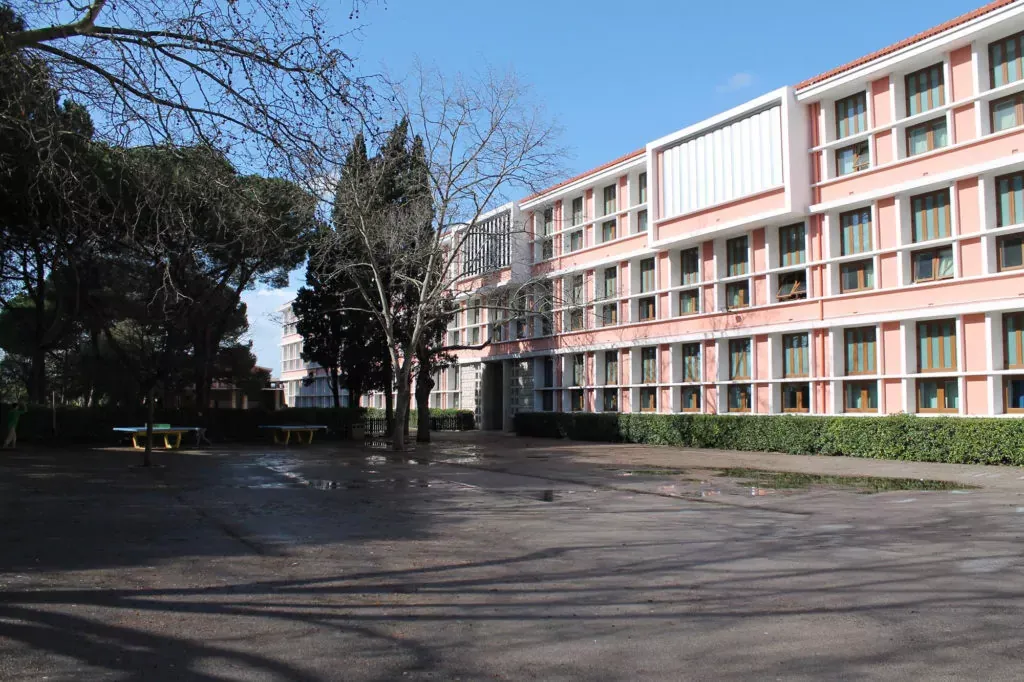
Lycée Français Charles Lepierre
French national curriculum
3 to 18
French, with Portuguese and English taught

Carlucci American International School of Lisbon (CAISL)
American curriculum, with the IB Diploma
3 to 18
English
Linda-a-Velha, Oeiras
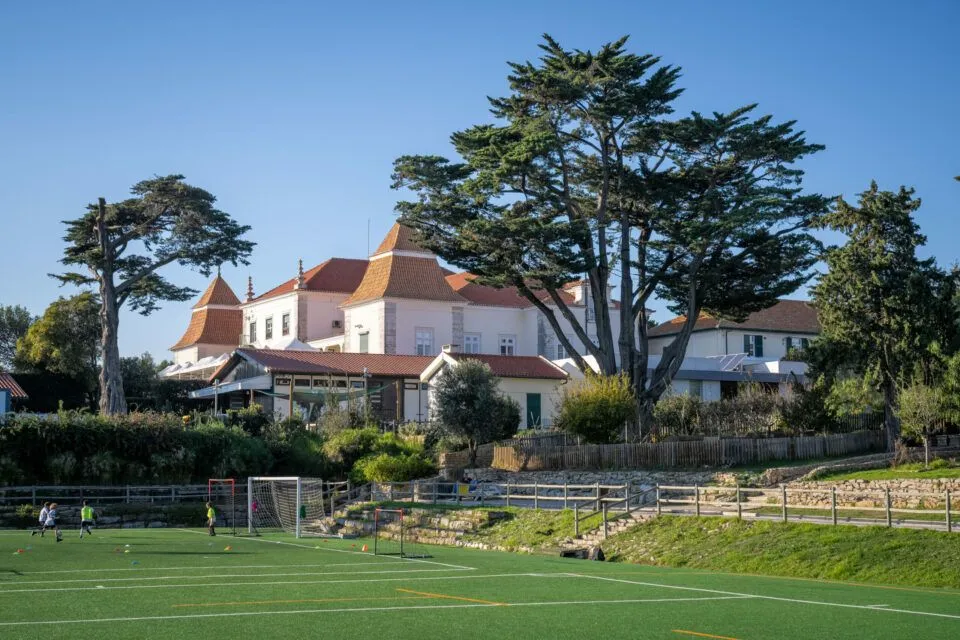
St. Julian's School
British curriculum, with IGCSE and the IB Diploma
3 to 18
English
Carcavelos, Cascais