
Your guide to Moving, Living, Buying & Investing in Caldas da Rainha
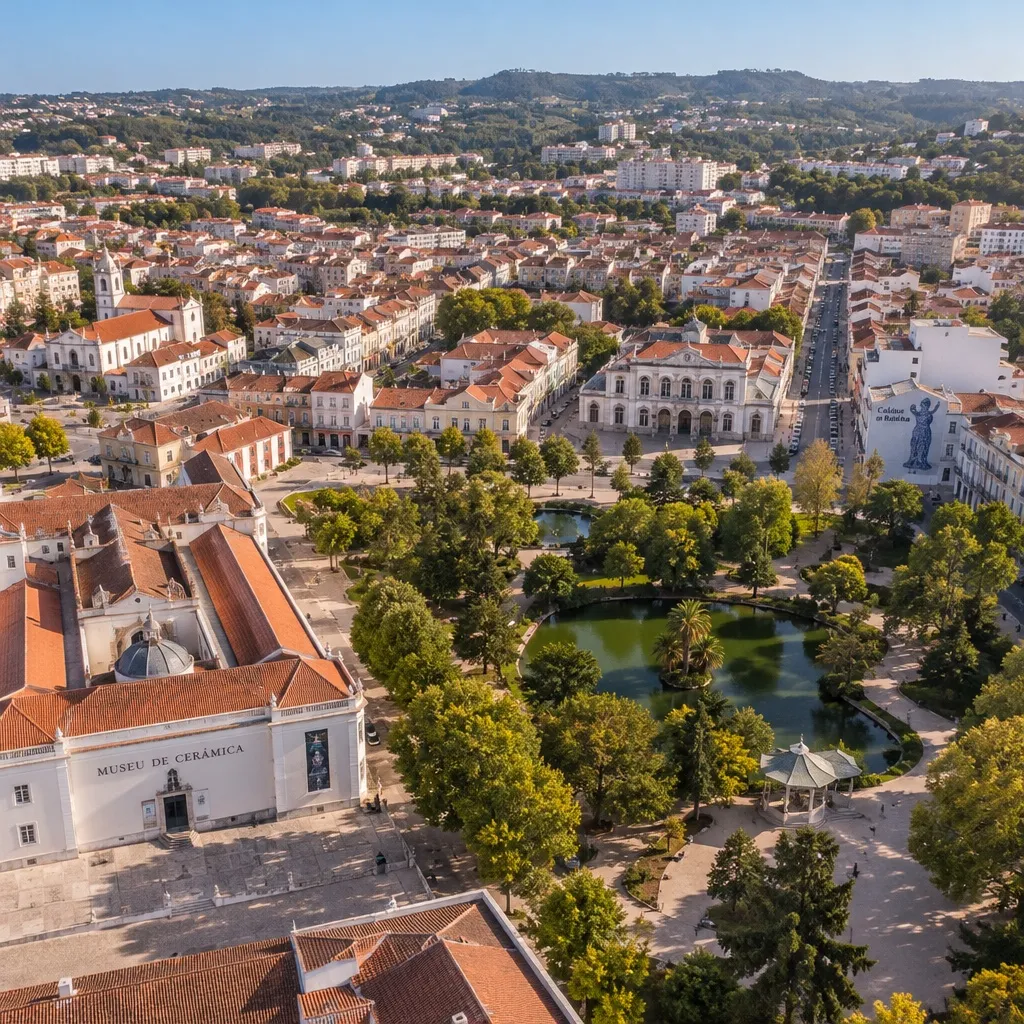
Caldas da Rainha is an inland city on Portugal’s Silver Coast, known for its thermal heritage, ceramics and lively market culture. Around Praça da Fruta and Parque Dom Carlos I, traditional shops, cafés, museums and public gardens bring everyday life into a compact centre. Its creative identity remains visible in workshops, exhibitions and the city’s longstanding connection with ceramic art.
The property market includes older central apartments, traditional houses and newer residential developments, with village homes and coastal properties elsewhere in the municipality. Compared with nearby Óbidos or Foz do Arelho, Caldas offers a more urban base centred on year-round services rather than a historic visitor destination or beach setting. Buyers can choose between central convenience and quieter residential surroundings, with prices varying according to location, condition and property type.
Caldas da Rainha Property Market
Established apartments, traditional homes and newer developments
Drive to the Airport
~60–75 min, depending on traffic
Average Property Price in Caldas da Rainha
~€2,342 per m² (municipality asking price, October 2026)
Pace of Life in Caldas da Rainha
Lively market mornings and a residential rhythm
Closest Airport to Caldas da Rainha
Lisbon International Airport
Cost of Living in Caldas da Rainha
Lower than Lisbon and nearby coastal resorts
Caldas da Rainha Climate
Temperate summers, Atlantic cloud and wetter winters
Caldas da Rainha Population
~59,000 (municipality, 2025)
Region of Portugal
Central Portugal, Silver Coast
Is Caldas da Rainha a good place to live?
Caldas da Rainha suits people who want the services of an established city without a large metropolitan setting. Its central market, independent shops, public gardens and cultural venues support a year-round routine, with many everyday destinations close together.
The main compromise is that coastal living involves travelling outside the city. Outer residential areas also offer a different level of walkability from the centre, while winter rain and damp weather can feel quite different from the sunnier image often associated with Portugal.
What are the pros of living in Caldas da Rainha
- A distinctive creative identity rooted in ceramics
- An established community active throughout the year
- Traditional market culture and independent local businesses
- Public gardens and cultural activities woven into daily life
What are the cons of living in Caldas da Rainha
- The city itself is inland rather than beachfront
- Winter weather can be wet, grey and damp
- Busy shopping periods bring traffic into central streets
- Nightlife is quieter than in larger Portuguese cities
Who enjoys living in Caldas da Rainha?
Families, retirees and creative professionals seeking a practical city with local character.
Why do so many people choose Caldas da Rainha to live?
Caldas da Rainha combines everyday infrastructure with a strong cultural offering. Schools, shops and services make it a practical residential base, while Parque Dom Carlos I and the surrounding museums provide places for recreation and cultural visits within the city.
Its position also allows residents to explore different parts of the Oeste region, including Óbidos, the Óbidos Lagoon and the coast at Foz do Arelho. The city’s arts and design community adds another dimension to an economy and daily routine that extend beyond tourism.
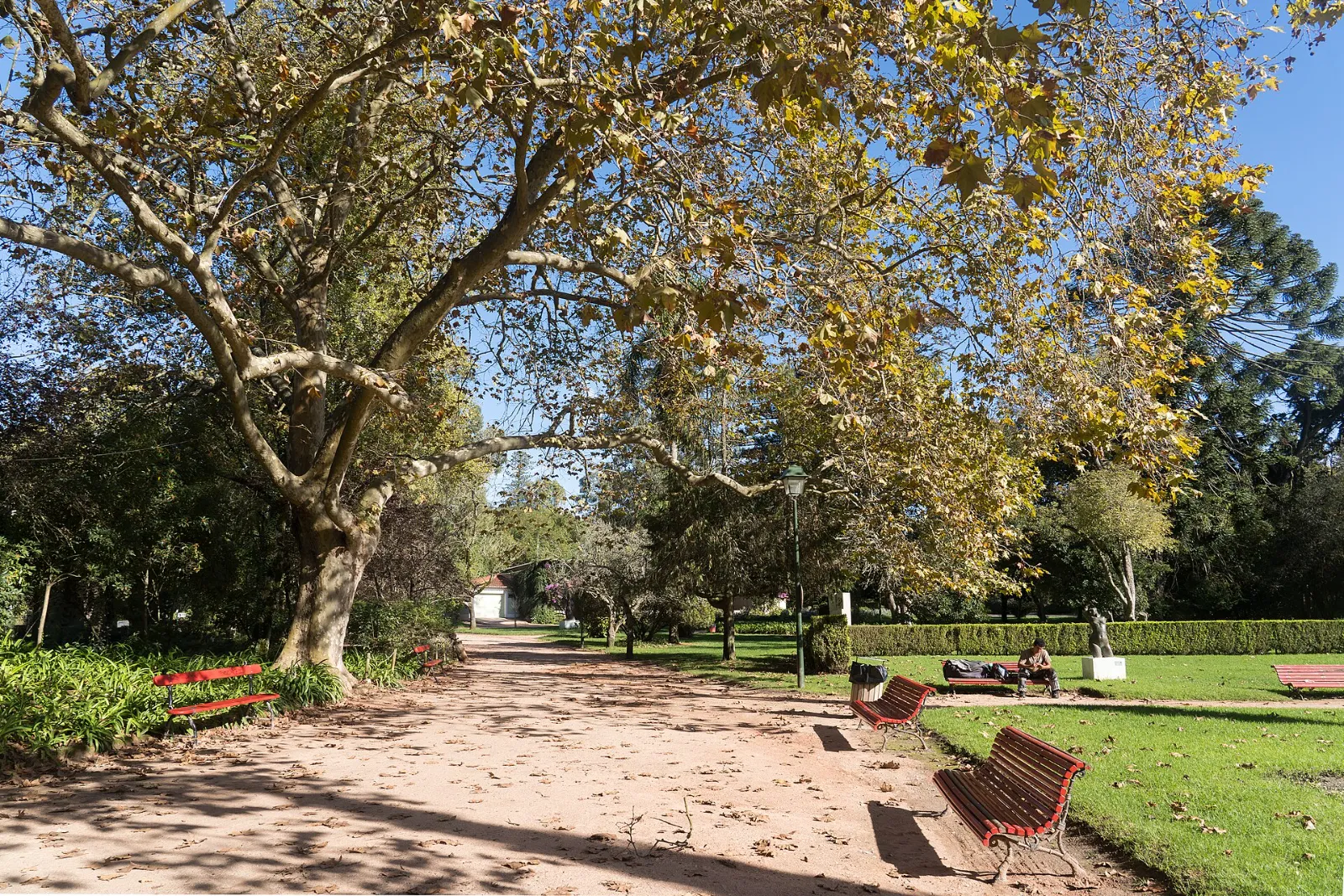
Caldas da Rainha also benefits from:
- ·The Praça da Fruta market
- ·Parque Dom Carlos I and Mata Rainha Dona Leonor
- ·Museums dedicated to ceramics and the arts
- ·Public education from preschool through secondary school
- ·The Escola Superior de Artes e Design
- ·Access to nearby Óbidos, Foz do Arelho and the lagoon
Caldas da Rainha joined the UNESCO Creative Cities Network in 2019 for Crafts and Folk Art, recognising the importance of creativity to the city’s identity.
Neighbourhoods nearby Caldas da Rainha
Centro Histórico
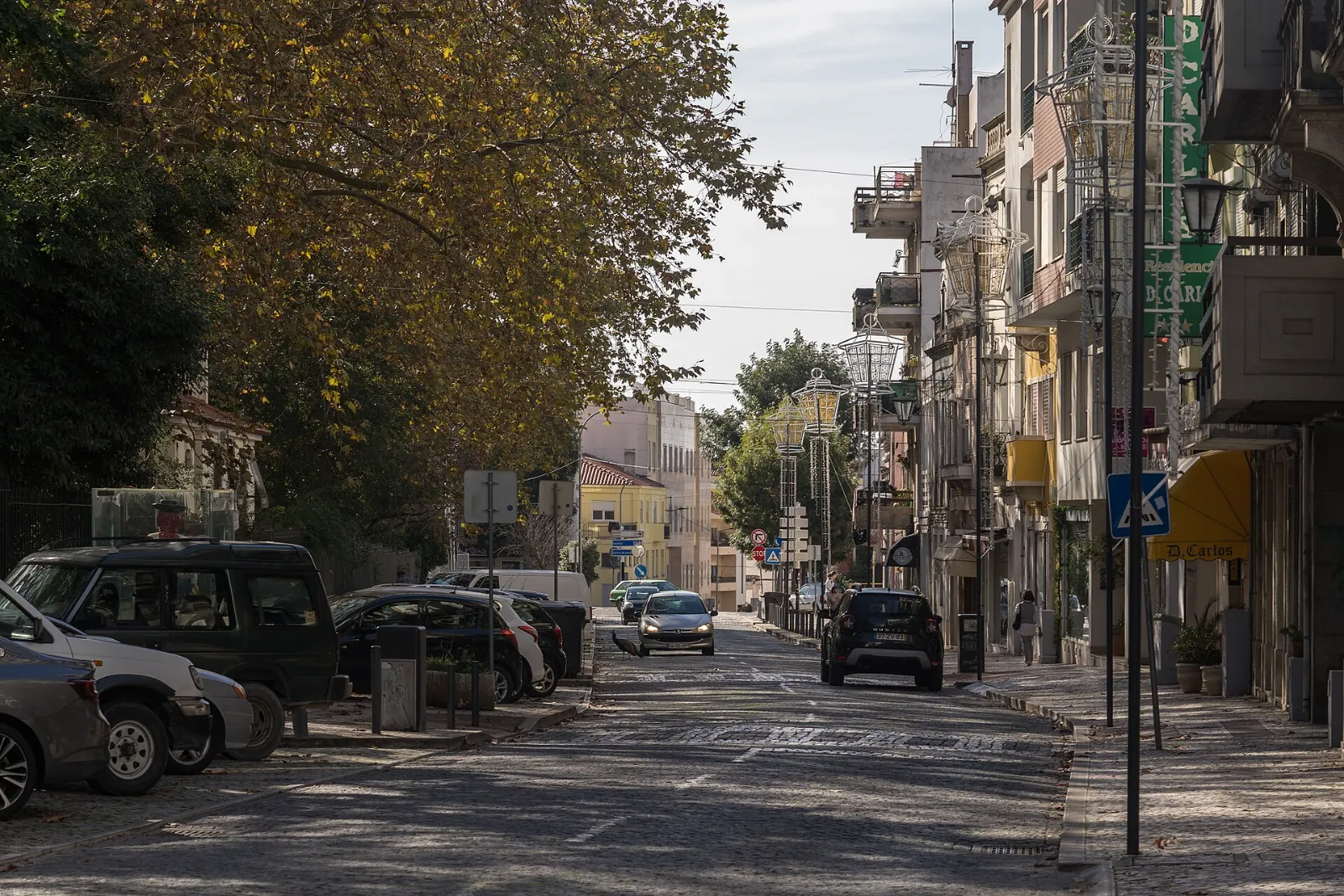
The historic centre brings together Praça da Fruta, traditional shopping streets and the thermal heritage around Parque Dom Carlos I. Older apartments and townhouses sit among cafés, shops and cultural venues, offering a central setting for residents who enjoy doing everyday errands on foot.
Santo Onofre
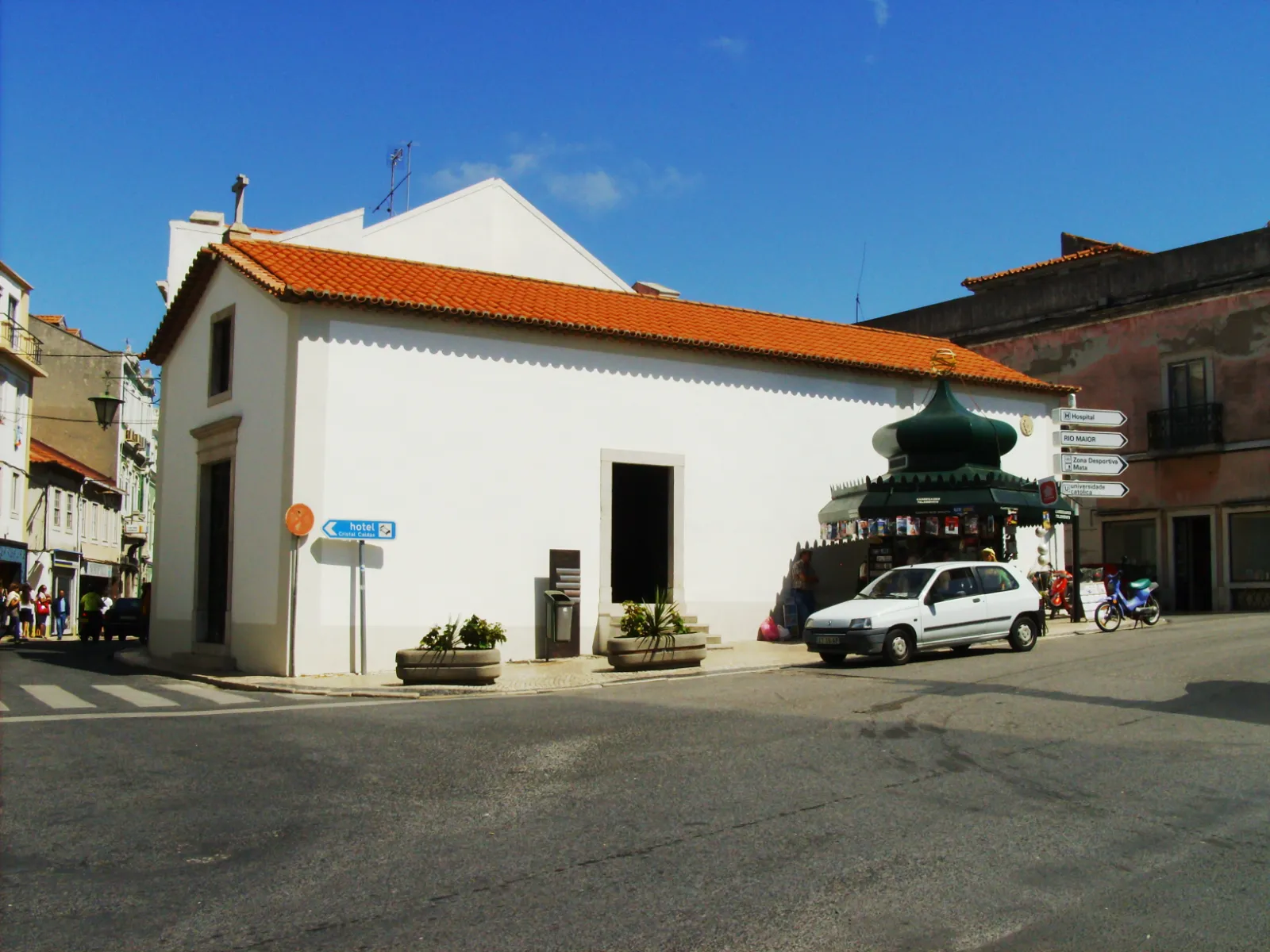
The urban part of Santo Onofre offers established residential streets, apartment buildings and houses close to schools and everyday services. It provides an alternative to the historic centre, with different pockets ranging from busy main roads to quieter neighbourhood streets.
Caldas da Rainha lifestyle score
Amount of Sunshine in Caldas da Rainha
Quality of Life in Caldas da Rainha
Caldas da Rainha Investment Portfolio
Family Friendly
Walkability
Caldas da Rainha property market overview
Market Strength in Caldas da Rainha
Caldas da Rainha combines an established residential community with services, education and cultural activity. Municipality asking prices increased by ~5% over the year to October 2026, although advertised-price growth does not establish completed-sale performance or guarantee future demand.
Average Property Price in Caldas da Rainha
The municipality’s asking-price indicator was ~€2,342 per m² in October 2026. This covers a wider area than the city itself, so central apartments, coastal homes and rural properties should not be treated as a single uniform housing market.
Caldas da Rainha Property Rentals
Advertised rents across the municipality averaged ~€9.80 per m² per month in September 2026. This is a broad asking-price reference, with actual monthly rents varying according to property size, condition, furnishings and location within the municipality.
Long Term Growth
The city’s established services, education and cultural identity provide several reasons for residential interest. Future growth remains uncertain, with household affordability, financing costs, new construction and the condition of older housing influencing the performance of individual properties.
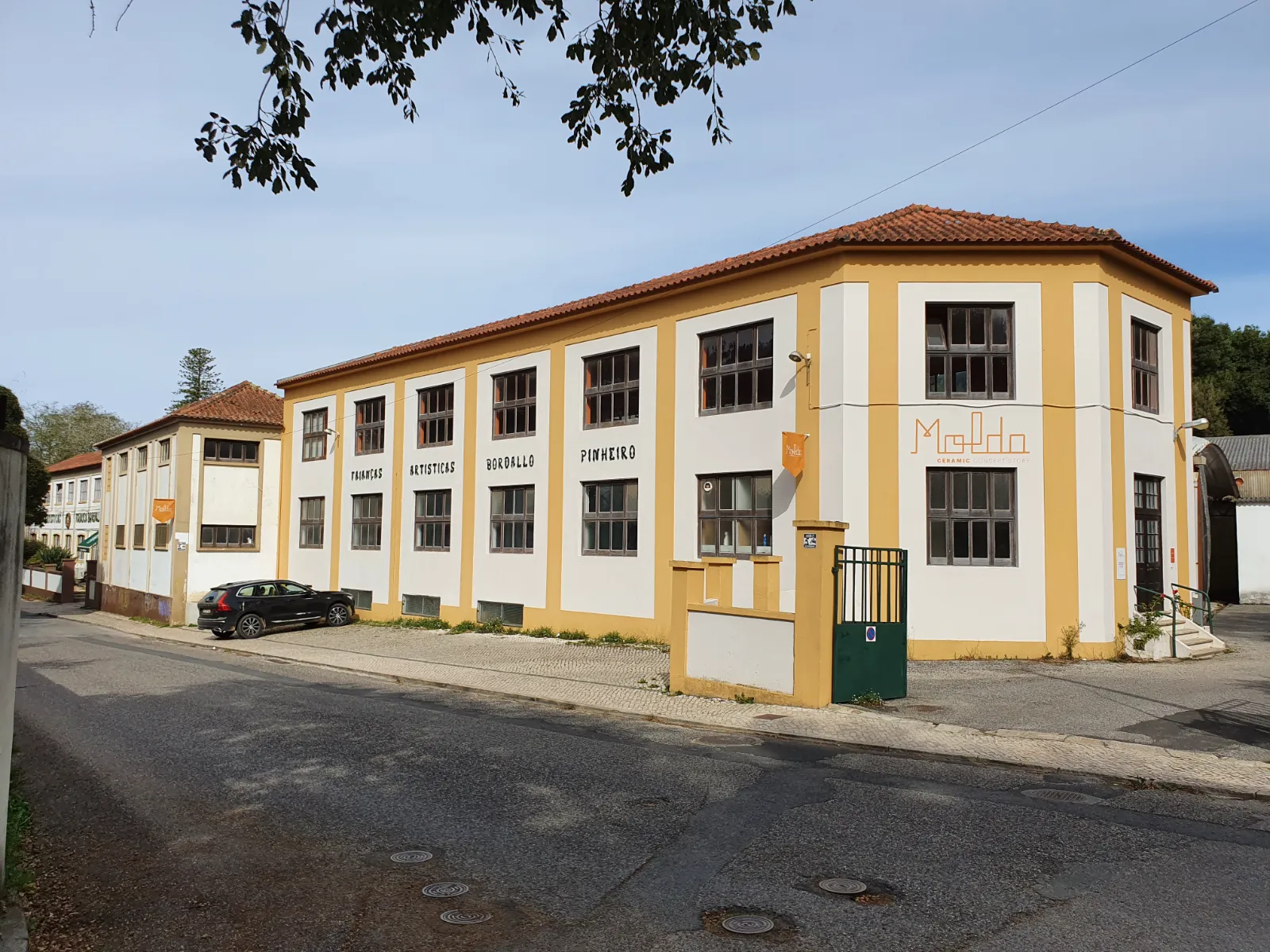
Advantages of Caldas da Rainha
- ·A residential market supported by year-round city life
- ·Education, services and cultural activity within the city
- ·A choice of central apartments and surrounding residential homes
- ·Different housing needs beyond seasonal visitor accommodation
Things to consider
- ·Municipality averages include coastal and rural locations outside the city
- ·Older central buildings may require renovation
- ·Central apartments and detached homes serve different markets
- ·Purchase prices alone do not establish rental returns
Is Caldas da Rainha a good investment?
Caldas da Rainha may interest buyers seeking an established residential city with education, services and a distinctive cultural identity. Its housing market includes central apartments, traditional buildings and newer residential developments, with different potential uses and demand profiles.
Returns depend on purchase costs, maintenance, financing and the type of tenancy. Municipality figures also include locations outside the city, so recent advertised-price growth cannot establish the performance of an individual property.
This overview is general market information rather than investment advice.
Portugal cost of living comparison
Estimated living costs for two adults in Caldas da Rainha, based on a comfortable everyday lifestyle.
Housing and lifestyle choices can change the actual cost considerably.
Is Caldas da Rainha safe?
Caldas da Rainha is generally considered a safe, established city, with a year-round residential population and regular activity around the centre, market, parks and surrounding neighbourhoods. Public spaces are used throughout the day, contributing to a comfortable everyday environment.
As in other regional cities, occasional petty theft, traffic incidents and isolated disturbances can occur, particularly around busy commercial and transport areas. Overall, everyday safety concerns are typical of a city of this size rather than a defining feature of life in Caldas da Rainha.
Schools near Caldas da Rainha
Caldas da Rainha has Portuguese public education from preschool through secondary school, with provision distributed across several school groups and campuses.
Agrupamento de Escolas Raul Proença
Portuguese National Curriculum
~3–18 years
Portuguese
Caldas da Rainha
Agrupamento de Escolas Rafael Bordalo Pinheiro
Portuguese National Curriculum
~3–18 years
Portuguese
Caldas da Rainha

Agrupamento de Escolas D. João II
Portuguese National Curriculum
~3–15 years
Portuguese
Caldas da Rainha