
Understanding the Role of Tax Incentives in Portuguese Pre-Construction
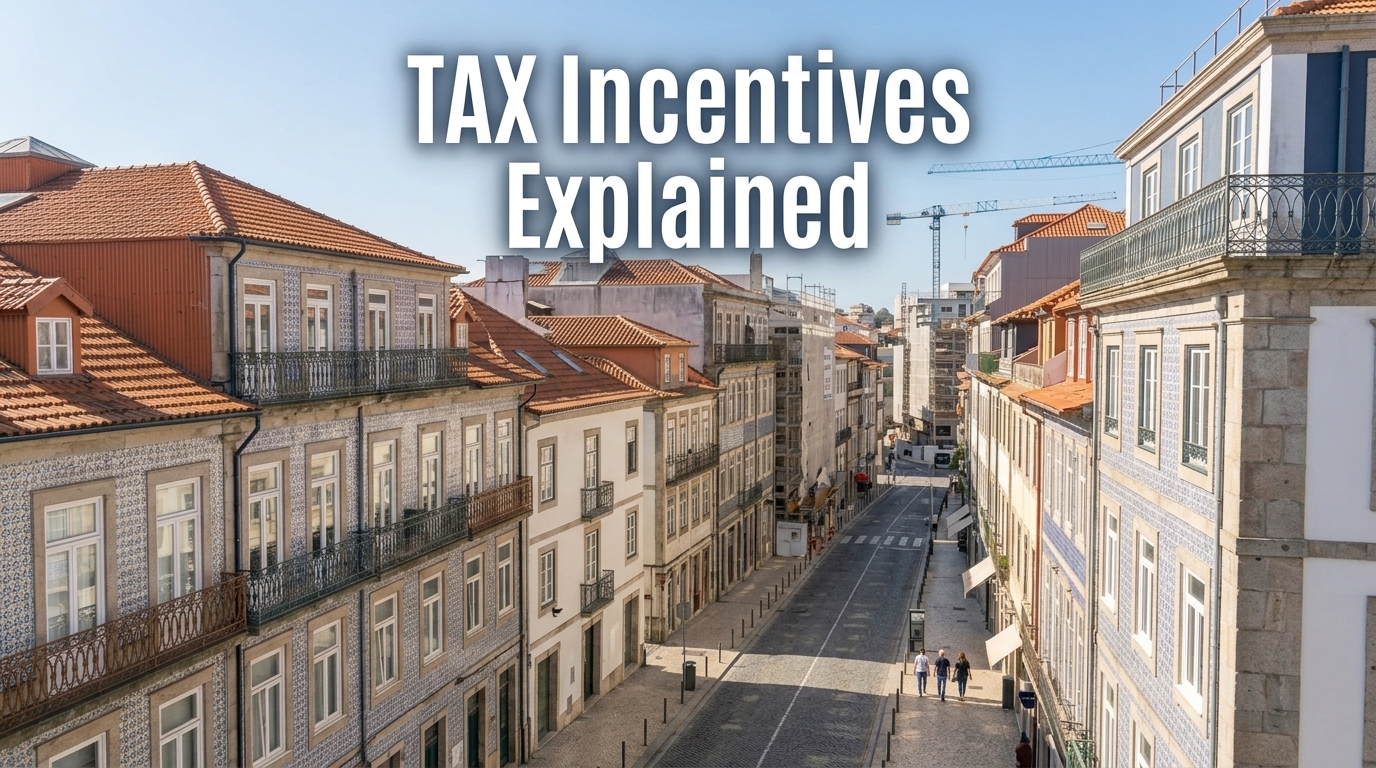
According to the Portuguese National Institute of Statistics (2024), real estate investment in new-build units has grown by 12% in urban centers due to evolving fiscal policies. Tax incentives for pre-construction property is the classification for government-backed exemptions and reductions on municipal taxes offered to owners of new-build residential developments.
At ThePrePlan, we believe transparency is the foundation of a smart purchase. Understanding these financial benefits early allows you to weigh the true cost of your investment against the long-term savings provided by new-build standards.
Why do these incentives exist?
The Portuguese government uses tax policy to stimulate the construction sector and improve the quality of housing stock. By incentivizing the purchase of new-builds, the state encourages developers to meet modern energy and construction standards, which in turn reduces the overall environmental impact of residential areas.
- Economic stimulation: Encourages capital flow into new urban projects.
- Quality improvement: Promotes higher construction standards and energy efficiency.
- Housing supply: Helps address the demand for modern residential units in key cities.
Tax efficiency is not an accident—it is a result of calculated site selection and alignment with municipal housing policy.
Strategic tax planning is a core component of buying smarter. When you browse pre-construction property in Portugal, you are not just looking at a floor plan; you are evaluating a financial asset that benefits from specific fiscal frameworks.
How does the IMI exemption work?
The IMI (Imposto Municipal sobre Imóveis) is an annual property tax paid to the local municipality. For new-build properties, the government often grants a temporary exemption from this tax to provide relief to buyers who invest in modern, energy-efficient housing developments. According to the Portuguese Tax Authority (2025), IMI rates for urban properties are set annually by municipalities and can range between 0.3% and 0.45%, making the exemption a vital factor for long-term investment viability.
According to a 2024 report by the Portuguese Ministry of Finance, the duration of this exemption typically ranges from three to five years, depending on the specific municipal regulations and the energy rating of the building. This is a significant factor when calculating your long-term ROI.
Calculating your potential savings
- Evaluate your annual IMI liability reduction.
- Confirm the exemption period with the local Câmara Municipal.
- Compare tax scenarios between high-efficiency and standard properties.
Key criteria for eligibility
To qualify for these benefits, the property must meet specific standards set by the local council. It is essential to verify these details with the developer or your legal representative before committing to a reservation.
- Energy rating: Higher energy efficiency often correlates with longer tax benefits.
- Property usage: The unit must generally be designated for permanent residence.
- Local regulations: Municipalities have the autonomy to adjust rates and exemption periods.
Do not assume every development qualifies automatically. Always ask the developer for the specific tax status of the project. If you are exploring options like new apartments in Porto, ensure you ask about the current municipal IMI policy for that specific district.
Navigating IMT and stamp duty
Beyond the annual IMI, buyers must consider the IMT (Imposto Municipal sobre as Transmissões Onerosas de Imóveis) and Stamp Duty (Imposto do Selo). While these are one-time costs at the point of purchase, they represent a significant portion of your initial capital outlay. As of March 2026, the Portuguese Ministry of Finance confirmed that Stamp Duty remains a fixed 0.8% for all residential deed registrations, providing a stable baseline for initial capital calculations.
According to the Portuguese Tax and Customs Authority (2026), there are no direct exemptions for IMT based solely on the property being 'new', but the valuation process for pre-construction can sometimes be more predictable than for older, renovated properties. This predictability helps in managing your cash flow during the construction phase.
Planning for your initial costs
- Stamp Duty: Typically 0.8% of the property value.
- IMT: Calculated based on the purchase price and property type.
- Budgeting: Factor these costs into your total investment calculation early.
When you explore new developments in Cascais, remember that these taxes are calculated on the final deed price. Working with a qualified tax advisor ensures you have a clear picture of your total liability before you sign any contracts.
Frequently asked questions
What is the IMI exemption for new properties? It is a temporary relief from the annual municipal property tax granted to owners of new-build homes. This exemption typically lasts for three to five years, helping to offset the initial costs of purchasing a new property and encouraging investment in modern, energy-efficient housing developments across Portugal.
Are there any tax exemptions for IMT when buying new? Generally, there are no specific IMT exemptions for buying new-build properties. IMT is a property transfer tax that applies to all real estate transactions. However, the predictability of the tax base in new developments can assist in more accurate financial planning compared to the variable nature of older properties.
Does the energy rating of a building affect my taxes? Yes, in many Portuguese municipalities, the energy efficiency rating of a building directly influences the duration and extent of tax incentives. Buildings with higher energy ratings often qualify for more favourable tax treatment, as they align with national goals for sustainability and reduced energy consumption in the residential sector.
How can I verify the tax incentives for a specific project? You should request the 'Caderneta Predial' and consult with the developer or your legal representative. They can provide documentation regarding the project's status and any municipal tax benefits that apply. Always confirm these details in writing before moving forward with a reservation or signing a promissory contract.
Is Stamp Duty refundable if I cancel a contract? No, Stamp Duty is a tax on the legal act of the property transfer or promissory contract and is generally not refundable. You should consult with a legal professional before signing any documentation to understand the fiscal implications of potential contract termination.
Start your search with confidence
Understanding the fiscal landscape is just as important as choosing the right location or floor plan. By factoring in potential tax savings, you can make a more informed decision that aligns with your long-term financial goals.
At ThePrePlan, we provide the information you need to navigate the pre-construction market in Portugal. Ready to evaluate your next investment? Explore our latest pre-construction listings in Portugal to find projects with clear tax profiles and developer transparency.