
Understanding the Role of Property Management in New Developments
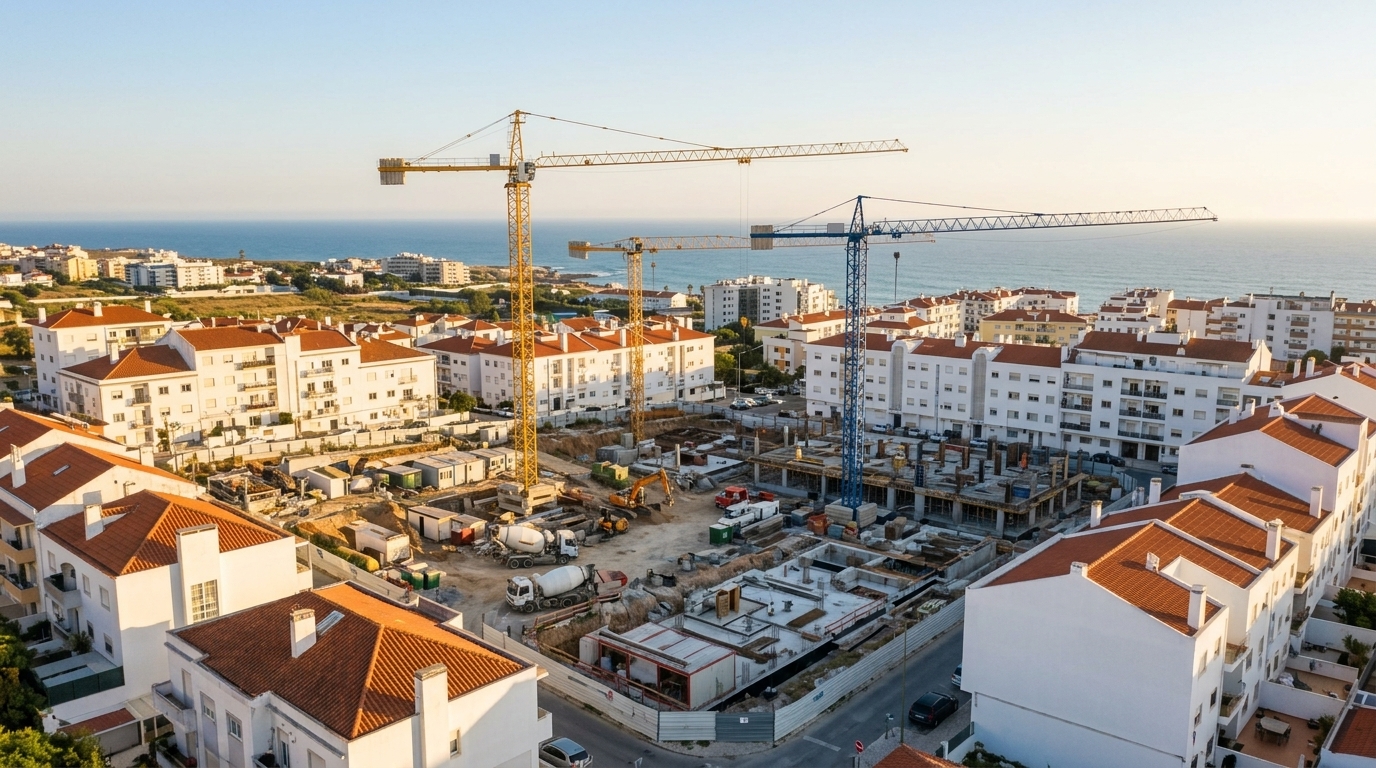
What is property management in new developments?
Property management in new developments is the professional oversight of a building’s common areas, technical infrastructure, and administrative functions from the moment of completion. Unlike managing a single resale home, this process involves coordinating complex systems, such as elevators, security, and energy-efficient climate control, to ensure the building operates at peak performance.
According to the European Property Federation (2025), professional building management in new developments can increase long-term asset value by up to 15% through consistent maintenance and operational efficiency. For buyers, understanding how this management is structured is as important as the floor plan itself.
Why management matters from day one
When you purchase a unit, you are also buying into a collective asset. A well-managed building preserves the aesthetic and functional quality of the property, which is essential for future resale or rental potential. At ThePrePlan, we emphasize that the quality of the management company is a key indicator of how a development will age over the next decade.
- Asset protection: Regular inspections prevent minor issues from becoming costly repairs.
- Operational consistency: Professional teams handle vendor contracts, cleaning, and security.
- Financial transparency: Clear accounting for common expenses ensures all owners contribute fairly.
How does the management structure work in Portugal?
In Portugal, the management of a residential building is typically governed by the condomínio (homeowners' association). The developer usually appoints an initial management company to oversee the transition phase, ensuring that all technical systems are operational and that the building meets its initial performance standards.
Professional management acts as the bridge between the individual owners and the technical requirements of the building. This includes managing the regime de propriedade horizontal (horizontal property regime), which defines the rights and responsibilities of each owner regarding common areas and private units.
The role of the management company
Key responsibilities of the manager
- Technical maintenance: Overseeing the upkeep of modern amenities like gyms, pools, and smart-building systems.
- Financial oversight: Collecting monthly fees and managing the reserve fund for major repairs.
- Regulatory compliance: Ensuring the building adheres to local safety and environmental regulations.
It is essential to ask the developer about the planned management structure before you commit to a purchase. You can explore various new developments in Porto to see how different projects approach these operational requirements. Transparency at this stage is a sign of a professional developer.
What should buyers look for in management plans?
When reviewing a development, look for a clear outline of the projected monthly costs and the scope of services provided. A high-quality management plan should be detailed, covering everything from the frequency of common area cleaning to the maintenance schedule for HVAC systems.
Effective management is not just about cleaning; it is about the long-term health of the building. According to a 2024 industry report by the Portuguese Real Estate Association, buildings with proactive management see a 20% faster resolution of technical defects during the initial warranty period.
Questions to ask the developer
- Who is the appointed management company, and what is their track record?
- What is the estimated monthly condomínio fee, and what does it cover?
- Is there a dedicated maintenance plan for the building’s specific amenities?
For those looking at new apartments in Cascais, consider how the proximity to the coast might influence maintenance needs, such as salt-air protection for exterior facades. A good manager will have a plan for these specific environmental factors.
Frequently asked questions
What is the difference between a condo fee and a management fee? The condo fee is the total monthly contribution paid by owners to cover all building expenses, including cleaning, security, and insurance. The management fee is the portion of that total paid specifically to the professional company hired to oversee these operations and handle the building's administration.
Can owners change the management company? Yes, the condomínio (homeowners' association) has the legal right to vote on and change the management company. This decision is typically made during an annual general assembly, where a majority of the owners must agree on the appointment of a new firm to handle the building's operations.
How does a new building's warranty affect management? In Portugal, new buildings have a statutory warranty period. The management company is responsible for identifying and reporting defects to the developer during this time. A proactive manager ensures that these claims are filed promptly, protecting the owners from bearing the costs of construction-related issues that should be covered by the developer.
What happens if a building is poorly managed? Poor management often leads to deferred maintenance, which can cause the building’s physical condition to deteriorate. This results in higher long-term costs for owners, decreased property value, and a less desirable living environment. It is crucial to ensure the management team is experienced with modern, high-spec residential developments.
Do all new developments require professional management? While not strictly required by law for small buildings, professional management is standard for modern, multi-unit developments in Portugal. Given the complexity of modern systems like smart-home integration and energy-efficient infrastructure, professional oversight is essential to maintain the building's value and ensure the safety and comfort of all residents.
Take control of your investment
Understanding the management structure is a critical step in the pre-construction process. By asking the right questions about how your future home will be maintained, you can avoid surprises and ensure that your investment remains protected for years to come. Remember that a well-managed building is a sign of a developer who cares about their reputation.
We encourage you to research projects thoroughly and reach out to developers to clarify their management plans. If you are ready to explore, browse our latest pre-construction listings to see which developments align with your standards for quality and long-term value.